To ombre or not to ombre? The answer depends less on how daring you’re feeling and more on where the colors meet. A soft transition from dark roots to lighter ends can look gorgeous. A blunt stripe halfway down your hair? That’s a tougher sell.
Ombre hair is a color effect that gradually shifts from one shade near the roots to another at the ends, usually darker to lighter. It can be understated, dramatic, or downright playful. Here’s how to tell the beautiful blends from the questionable ones, without needing a red carpet for reference.
What Makes Ombre Hair Look Good?
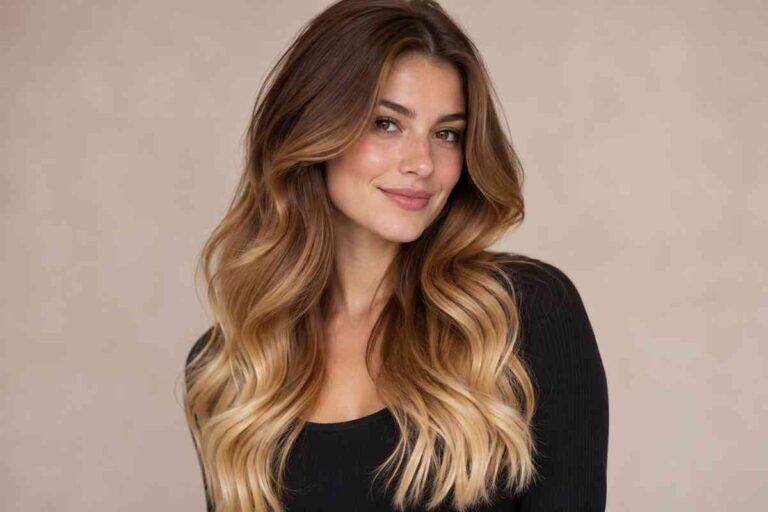
It’s all about the transition. The prettiest ombre styles give the eye somewhere to travel between the two shades. There should be a blend through the middle, not an obvious line announcing where the bleach started.
That doesn’t mean every ombre has to be subtle. Deep brown roots with bright blonde ends can be striking. So can black fading into cherry red or pink. The trick is making the contrast look intentional and choosing a tone that works with your starting color.
Ombre Hair Color Ideas Worth Trying
Chocolate Brown to Caramel
Beautiful. This is the easygoing option for brunettes who want a little light around the ends without going fully blonde. Warm caramel softens the contrast, particularly when the color starts gradually through the mid-lengths.
Dark Brown to Honey Blonde
Beautiful, with the right blend. Honey blonde brings more brightness than caramel, but dark brown hair may need significant lightening to get there. Ask your colorist what your hair can realistically handle, especially if it’s been dyed before.
Black to Cool Blonde
Beautiful or bad? A bit of both, depending on the execution. The contrast is undeniably bold. The downside is that lifting very dark hair to a pale blonde can take multiple sessions and put stress on the ends. If your hair is already dry or fragile, a softer brown transition might be the smarter move.
Copper to Golden Blonde
Beautiful. Copper roots fading into warm gold have a sunny, lively feel without a jarring switch in tone. This combination is worth considering if you love red hair but want something lighter at the tips.
Brown to Rose Pink
Playful, and proudly so. Pink ombre isn’t trying to look natural. A dusty rose finish can feel softer, while vivid pink makes the ends the main event. Just know that fashion shades can fade quickly and may need refreshing. If you’re in the mood for another unconventional color idea, see BluFashion’s starburst hair color trend.
When Ombre Goes Wrong
Some combinations sound great in theory but don’t quite work once they’re on your head. The usual trouble spots are surprisingly simple:
- A harsh horizontal line: Dark hair suddenly turning blonde can resemble grown-out color rather than a deliberate fade.
- Brassy ends: If the lightened sections turn more orange or yellow than intended, the overall color can look uneven.
- Overprocessed tips: The lightest sections are often the most vulnerable to dryness and breakage. Glossy, healthy-looking ends make a big difference.
And here’s a small defense of messy waves: they’re not the problem. Loose, imperfect styling can make an ombre blend look even prettier. The color work underneath is what matters.
Ombre vs. Balayage: What’s the Difference?
Ombre describes the look, a gradual shift in color from top to bottom. Balayage describes a coloring technique, typically hand-painting lightener onto selected sections for a softer, more scattered effect. A stylist can use balayage to create an ombre finish, so the two aren’t mutually exclusive.
If you want noticeably lighter ends, ask for ombre. If you want little ribbons of brightness throughout your hair, ask about balayage. Better yet, bring a reference photo you have permission to show or use privately during your consultation. The result matters more than getting the salon terminology perfect.
Before You Take the Color Plunge
Talk to your colorist about where the lighter shade should begin, how dramatic you want the contrast, and how much upkeep you’re willing to take on. Keeping your natural roots usually means less obvious regrowth, but the lightened ends still need attention. Use a conditioner suited to color-treated hair, limit excessive heat, and ask whether a toner or color refresh makes sense for your shade.
If you’re starting with very dark, previously colored, or fragile hair, don’t expect every inspiration photo to be achievable in one appointment. A flattering ombre is worth doing carefully. The goal isn’t to have the blondest ends in the room. It’s to have color that looks good on your hair.