




If shapewear has ever felt like a win in the mirror and a fight by lunchtime, same. I used to order my dress size and hope. By noon the waistband had rolled and I was hunting for a bathroom. What finally worked, I measured in inches, fed those numbers into a Shapewear Size Finder, then matched compression and style to the way I actually move.
For a starting size, measure your natural waist and fullest hips in inches, then enter both into the shapewear size calculator below. Choose a compression preference and compare the result with the specific brand’s chart before ordering. For bodysuits, check bust and torso length separately, since this tool does not measure either.
Shapewear Size Finder
Find your perfect shapewear size based on your waist and hip measurements. Get personalized recommendations with compression level guidance to ensure the right fit and comfort.
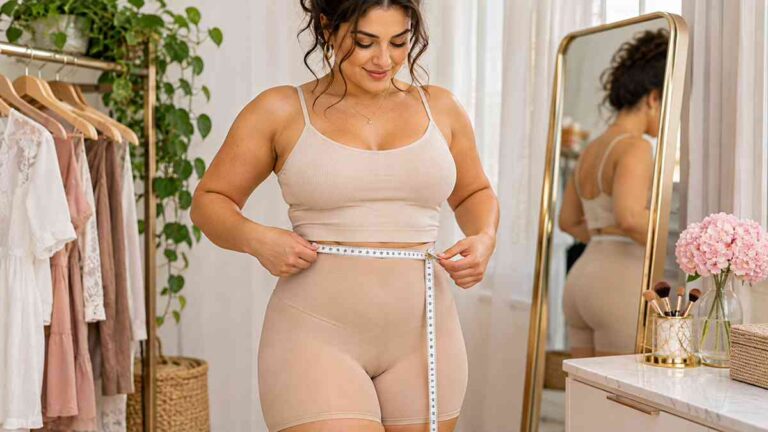
📏 How to measure for shapewear
Waist Measurement
- Step 1: Find your natural waist (the narrowest part of your torso)
- Step 2: Wrap measuring tape around your waist
- Step 3: Keep tape snug but not tight, you should be able to breathe comfortably
- Step 4: Take measurement in inches
Hip Measurement
- Step 1: Measure around the fullest part of your hips and buttocks
- Step 2: Keep feet together and tape parallel to floor
- Step 3: Don't pull tape too tight
- Step 4: Take measurement in inches
🎯 Shapewear compression guide
- Light Compression: Gentle smoothing, all-day comfort, great for beginners
- Medium Compression: Moderate shaping, good balance of comfort and control
- Firm Compression: Strong shaping, special occasions, may take time to adjust
- Extra Firm Compression: Maximum control, short-term wear, professional fitting recommended
✨ Shapewear fitting tips
- Choose shapewear based on your largest measurement
- If between sizes, size up for comfort, down for more compression
- Always try before important events
- Consider the garment you'll wear over the shapewear
- Break in new shapewear gradually
- Never wear shapewear that restricts breathing or circulation
Before you order: This tool estimates a general size from waist and hip measurements. It does not calculate a separate size for each shapewear style or account for bust and torso length. Always compare its suggestion with the manufacturer’s chart.
How the Shapewear Size Finder works

What you measure
- Waist: smallest point above the navel.
- High hip: around the hip bones.
- Full hip: widest point across seat and upper thigh.
- Underbust and bust: check these against the brand’s chart for camis and bodysuits. They are not inputs in this calculator.
- Torso length: follow the brand’s measurement instructions for one-piece suits. A garment that is too short in the body can pull at the shoulders or gusset.
- Compression preference: choose light, medium, firm, or extra firm in the tool.
Tiny lesson: I once measured over a hoodie and “lost” two inches on paper. Thin tee or bare skin is best.
What you get back
- A general starting size based on the waist and hip measurements you enter, not a guaranteed size for every style or brand.
- Compression guidance for the level you select.
- Measurement and fit tips to help you compare the estimate with an actual garment’s size chart.
Shopping across regions, sanity check labels with the International Size Converter.
Measure once, in inches
- Start with a flexible tape: measure over bare skin or thin, close-fitting clothing, standing naturally.
- Hold the tape flat, not tight: Keep it level and parallel to the floor.
- Write down both numbers: find your natural waist and the fullest part of your hips. Measure again if the tape twists or slips.
Why there is no universal shapewear size chart
A letter size is only useful with a specific brand’s measurements. For example, SKIMS lists a medium at a 29 to 31-inch waist and 39.5 to 41.5-inch hips, while Shapellx lists a medium in its general shapewear chart at a 28.5 to 30-inch waist and 38 to 40-inch hips. That is enough variation to change what you order. Use your calculator result as a starting point, then check the size chart on the exact product page.
See the SKIMS shapewear size guide and Shapellx sizing guide for real examples of different measurement ranges.
Worked example
For example, take a 31-inch waist and 43-inch full hip. The hip may place you in a larger size than the waist does. For shaping shorts, check both measurements against the brand’s chart rather than ordering by waist alone. A different cut may fit better if the two measurements fall in different size bands.
Quick checklist
- Size to the body part the garment covers most.
- For shorts, pick by full hip.
- For briefs, start with waist, confirm it clears the hip.
- For bodysuits, check bust and torso after hips.
Should you size up or down
- Firm control and between sizes, go larger. The fabric already compresses.
- Light control and between sizes, follow the brand’s fit guidance. Don’t automatically size down for more compression; choose a firmer style if you want more hold.
- Waistband digs or rolls, try the larger hip size or a higher rise.
- Fabric bunches or the bodysuit hangs loose, check the torso length, strap adjustment, and the product’s size chart before changing sizes.
My miss: I sized down in a firm long leg short for a wedding. I lasted one hour. True hip size in the same short, bonded waistband, eight hours, no marks.
Style picks by goal

Tummy smoother, high waist brief
Why it helps: Targets the midsection without squeezing thighs.
What to try: Choose a height that reaches your bra line or navel. Size to waist and high hip, then make sure it clears full hip when you pull it on.
Quick check: Bonded waistband, cotton gusset. Silicone dots only if you need extra grip.
Thigh line, high waist short
Why this works: Eases the outer thigh and seat, may help reduce thigh rubbing.
How to fit it: Size to full hip. If you sit between sizes, go larger for firm fabric.
Feel detail: Laser-cut hems may reduce visible edges, but check that they do not dig in. The hem should land where your thigh narrows.
Back smoothing, shaping cami or tank
Why it helps: Blends the bra line and ribbed areas without heavy squeeze.
What to try: Fit to bust and underbust. If you are fuller on top, pair with your own bra.
Quick check: Wide straps, scoop back that covers your bra band.
All in one, open bust bodysuit
Why it helps: Your own bra does the lift, the suit does the smoothing.
Set it up: Size to full hip first, then check torso. Long torso options matter if you are tall.
Quick check: Adjustable straps, cotton gusset with hooks or snaps.
Gusset check: The closure should meet comfortably, not pull forward. If it strains, you need a longer torso or the next size.
Strapless days, waist and back cincher
Why it helps: Stabilizes strapless looks by anchoring the midsection.
What to try: Pick light or medium compression for breathability. Wear a well fitted strapless bra.
Quick check: Non slip lining, flexible boning that bends, not pokes.
Need a strapless size tune up first, confirm your band and cup with the Bra Size and Sister Size Finder.
Compression levels and comfort
- Light: gentle smoothing for a less restrictive feel.
- Medium: a more noticeable hold while still allowing comfortable movement.
- Firm: stronger shaping. Test it while sitting, walking, and bending before wearing it to an event.
- Extra firm: the strongest option offered by some brands. Check the retailer’s fitting instructions and never treat discomfort as proof that it is working.
Compression labels are not standardized percentages of stretch or inches lost from your waist. The fit should be snug, but you should be able to breathe, sit, and move comfortably. Remove the garment if you notice numbness, tingling, pain, or irritated skin. See Cleveland Clinic’s shapewear advice for more on signs of an overly tight fit.
How to buy shapewear for plus size
- Lead with the hip. Most pieces are cut around seat and thigh.
- Pick fabric that moves, double knit microfiber is your friend.
- Choose longer legs so the hem sits on a slimmer part of the thigh.
- Try separates if a one-piece garment does not accommodate your torso and hips comfortably. Avoid stacking tight compression layers.
- Check rise, high waist that hits under the bra often blends best.
Note from my closet: Two layers of light control were cooler than one very firm short during a summer wedding. The line looked cleaner too.
Who this guide helps and how to check the fit
- Who this is for: Anyone who wants clothes to skim, not squeeze. Great for photos, events, travel days, and everyday smoothing. The calculator offers a starting estimate from waist and hip measurements in inches.
- What to check when trying it on: sit down, stand up, bend, and walk around. Notice whether hems roll, seams dig, straps pull, or the gusset feels strained.
- Why it works: Checking the largest relevant measurement can reduce fit mistakes. Matching compression to the occasion keeps comfort. Details like bonded edges, longer legs, and a higher rise do more work than sizing down. Those details are often more useful than squeezing into a smaller labeled size.
Key takeaways
- Measure in inches, waist, high hip, full hip, before you buy.
- Size to the largest relevant area. Hips rule for shorts. Waist rules for briefs. Bodysuits need bust and torso checks.
- Between sizes, consult the brand’s advice and favor comfort. Do not size down simply to get stronger compression.
- Pick compression for the day, light for smoothing, medium for all day, firm for events.
- Try a different cut or separates before resorting to tighter compression or multiple layers.
FAQs
Should I size up or down in shapewear?
If you are between sizes, check the specific brand’s chart and fit notes. Sizing down for more compression can cause rolling, digging, or discomfort. A firmer style is a better way to get more hold.
Why does the waistband roll?
Rolling can come from a waistband that is too tight, the wrong rise, or a mismatch between your waist and hip measurements. Check both measurements and consider a different cut.
Can I wear shapewear every day?
Comfortable, correctly sized light or medium shapewear may be suitable for everyday wear. Take it off if you develop discomfort, numbness, tingling, or skin irritation.
I have a long torso, what now?
Look for tall or long-torso bodysuits, adjustable straps, or separates. The gusset should close without pulling and the straps should not dig into your shoulders.
Is this a shapewear size finder for women only?
The calculator uses waist and hip measurements in inches. Anyone shopping for a garment with a compatible size chart can use it as a starting point; check the brand’s sizing and fit details.
More sizing tools
- Bra Size and Sister Size Finder, confirm your band and cup before you try open bust suits.
- International Size Converter, map US, UK, and EU labels before you compare brand charts.
- Ring Size Finder and Calculator, handy if you are also shopping gifts or event jewelry.
- Need help picking bra shapes for strapless and low necklines, see Balconette vs Plunge.
- Swimsuit coming up, use the Swimsuit Size Chart and Support Picker to match lift and hold before a beach trip.
- If you plan to order two sizes, sanity check value with the Cost Per Wear Calculator.
- Dial in bottoms that layer clean under jeans with the Jeans Fit Calculator.
- Feet hurt after long events, get your size right with the Shoe Size Converter with Fit Notes.