





Working out naked sounds like one of those ideas that’s either wonderfully freeing or a complete disaster waiting to happen. Possibly both, depending on the workout.
Yoga without leggings? I can see the appeal. Swimming without a swimsuit? Fair enough. But naked CrossFit, with barbells, box jumps, and jump ropes flying around? That’s where I start having questions.
The idea isn’t entirely new, though. People have been exercising without clothes for generations, whether swimming at clothing-optional beaches, practicing nude yoga, or simply doing a few stretches at home.
And there’s a genuine reason some people enjoy it. Exercising naked can feel less restrictive and may help you become more comfortable with your body. But removing your clothes doesn’t automatically make a workout healthier, safer, or more effective.
So, is naked fitness worth trying? Let’s look at the activities that make sense, the ones I’d approach cautiously, and what you should know before leaving your workout clothes behind.
What Is Naked Fitness?
Naked fitness means exercising without clothing, usually in a private space or an organized clothing-optional environment. It can involve yoga, swimming, stretching, bodyweight exercises, or other physical activities.
Some people practice alone at home because they find it comfortable. Others attend organized sessions where nudity is accepted and clearly separated from sexual activity.
The motivations vary. For some, it’s about body acceptance. For others, it’s simply the freedom of moving without tight waistbands or workout clothes that refuse to stay in place.
It’s also worth distinguishing nude fitness from a conventional gym workout. Taking off your clothes doesn’t change how muscles grow, how cardiovascular exercise works, or how much energy you burn.
The workout still matters more than the outfit, or lack of one.
Are There Any Benefits to Working Out Naked?
There are a few reasons someone might enjoy exercising without clothes. But I’d separate personal benefits from claims that have actually been demonstrated by research.
1. You May Feel More Comfortable With Your Body
One of the biggest reasons people explore nude exercise is body acceptance.
It’s easy to become distracted by how your body looks in workout clothes, especially when every fitness advertisement seems to feature someone with perfectly defined muscles and not a single hair out of place.
Practicing without clothes may help some people become less concerned with appearance and more attentive to how their bodies move.
That said, there’s no guarantee. Someone who feels uncomfortable being naked may find it more distracting than liberating.
And there’s nothing wrong with that. Body confidence doesn’t require you to enjoy nudity.
2. No Waistbands, Seams, or Slipping Leggings
Here’s a benefit that needs very little explanation.
Anyone who’s stopped halfway through a squat to pull up their leggings knows that workout clothes aren’t always helpful.
Exercising naked eliminates those particular distractions. During gentle stretching or yoga, that might feel surprisingly comfortable.
But clothing can also provide support, reduce rubbing, and protect sensitive skin.
So, while less fabric may mean fewer restrictions, it isn’t automatically better for every activity.
3. You Might Pay More Attention to Your Movements
Some people find that exercising naked makes them more aware of their posture and movement.
Without clothing covering the body, it may be easier to observe certain movements in a mirror.
Of course, a mirror isn’t a substitute for good technique. Seeing your muscles move doesn’t necessarily mean you’re performing an exercise correctly.
If you’re new to strength training, proper instruction is considerably more useful than trying to judge every movement by appearance alone.
4. It Can Be a Change From Your Usual Routine
Sometimes people try an activity simply because it’s different.
A private naked yoga session or a swim at an approved clothing-optional facility may offer a new experience without completely changing your exercise routine.
That can be enjoyable in its own right.
Just don’t confuse novelty with a proven health benefit. There’s no established evidence that exercising naked builds muscle faster or burns more calories than doing the same workout in suitable clothing.
Naked Swimming: The Fitness Trend With a Surprisingly Long History
Of all the activities on this list, naked swimming makes the most sense to me.
There’s no waistband to adjust, no swimsuit riding up, and no exercise bench to share with someone who forgot to bring a towel.
But nude swimming isn’t some modern wellness invention.
When Swimming Naked Was Normal
For much of the twentieth century, boys and men at certain American schools, colleges, YMCAs, and other facilities were expected to swim without suits.
Yes, really.
Concerns about hygiene and older filtration systems helped shape these policies. Early swimsuits could shed fibers, and operators worried about keeping indoor swimming pools clean.
A 1926 American Public Health Association recommendation even called for nude bathing in indoor pools used exclusively by men.
The recommendation was dropped in 1962, although the practice continued at some institutions afterward.
That history has been documented in reporting by WHYY and The Washington Post.
Today, swimming without a swimsuit is far less common at ordinary public pools, and clothing policies vary by facility.
Is Swimming Naked Better?
Swimming without a suit can feel comfortable, particularly if you dislike restrictive swimwear.
But it doesn’t make you a stronger swimmer, improve your technique, or remove the usual water-safety risks.
In fact, my earlier instinct that water somehow makes naked swimming automatically safer doesn’t hold up. Pools, lakes, and open water still present risks such as slipping, drowning, cold exposure, and changing conditions.
Hygiene matters, too. Chlorinated water isn’t a substitute for proper pool maintenance, showering, or avoiding swimming when you have certain illnesses or uncovered infections.
Where Can You Try Nude Swimming?
Your best options are facilities that explicitly permit it, such as designated clothing-optional pools, private swimming clubs, or authorized naturist swimming sessions.
If you have access to a private pool, follow ordinary water-safety precautions and make sure the area is genuinely private.
Don’t assume that a public pool allows nude swimming simply because it offers adult-only hours.
And please don’t treat swimming alone as safer just because there’s no one around to notice what you’re wearing. Having appropriate supervision or someone nearby who can help in an emergency matters far more.
Naked Yoga: Probably the Most Approachable Option
Naked yoga is another form of clothing-free exercise I can understand from a practical standpoint.
You’re usually working on your own mat, many poses are relatively gentle, and you don’t have a collection of heavy equipment waiting to land on your toes.
That doesn’t mean yoga is risk-free, of course. Awkward movements, overstretching, and slippery mats can still cause problems.
But compared with exercises involving heavy weights or fast-moving equipment, gentle yoga can be a more manageable introduction.
Why Do People Practice Yoga Naked?
Some practitioners enjoy the freedom of movement. Others want to become more comfortable with their bodies or experience yoga without the distraction of clothing.
That sounds reasonable enough.
I’d personally find a group downward-facing dog session a little intimidating at first. Still, that’s more a question of personal comfort than a reason to dismiss the activity.
A well-organized class should focus on yoga, not on how participants look.
If you’re curious, our guide to what you need to know before trying naked yoga covers class etiquette, preparation, privacy, and what beginners can expect.
How to Try Naked Yoga Safely
I’d start at home with a familiar, gentle routine.
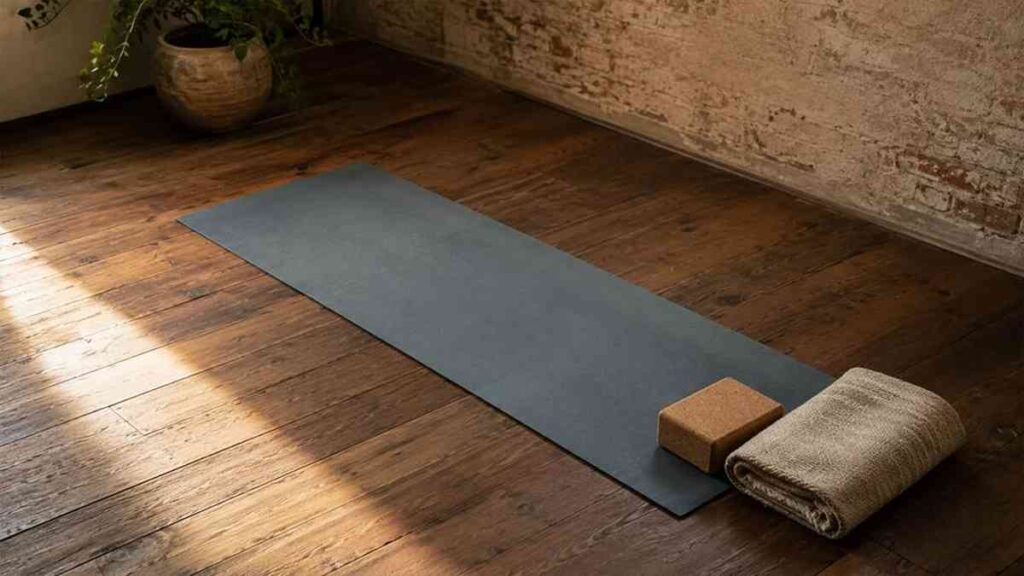
Use a clean, non-slip yoga mat and keep a towel nearby. Without clothing to absorb sweat, some poses may feel more slippery than usual.
Make sure the room is comfortably warm and you have enough space to move without bumping into furniture.
If you prefer an organized class, look for an instructor who explains the rules about consent, touching, photographs, and personal boundaries.
A legitimate wellness class should never make you feel pressured to accept unwanted physical adjustments or participate in activities beyond your comfort level.
Naked Gyms and CrossFit: This Is Where I Have Reservations
Now we get to the part of naked fitness that makes me wince a little.
Years ago, I came across a story about a gym in Denmark offering a nude CrossFit session. My immediate thought wasn’t about liberation or body acceptance.
It was about barbells, jump ropes, and the unfortunate possibilities when those things meet exposed skin.
That reaction still seems fairly reasonable.
It’s not that clothing magically protects you from a dropped weight. A T-shirt certainly isn’t going to stop a dumbbell.
But suitable workout clothes, supportive equipment, and properly fitted shoes serve practical purposes.
Support Matters During High-Impact Exercise
Running, jumping, and other high-impact activities can create movement and discomfort that supportive clothing helps manage.
For many people, properly fitted sports bras make exercise much more comfortable.
Going without support during a high-impact workout may be unpleasant, particularly for someone accustomed to wearing it.
There’s also the footwear question.
Gyms commonly have rules about appropriate shoes for a reason. Dropped objects, slippery surfaces, and equipment areas introduce risks that are worth taking seriously.
Footwear won’t prevent every injury, but going completely barefoot around heavy equipment isn’t something I’d recommend casually.
Shared Equipment Raises Hygiene Questions
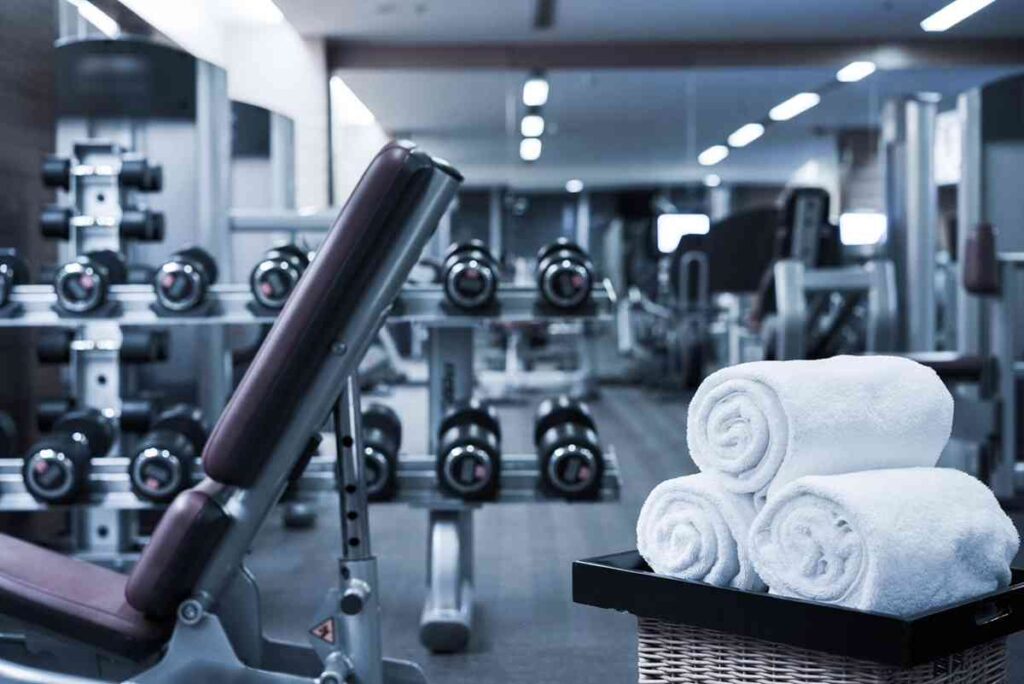
Here’s the other issue that bothers me about naked workouts in communal gyms.
Benches, mats, and weight machines are shared by lots of people throughout the day.
The more uncovered skin that touches those surfaces, the more important cleaning and personal hygiene become.
The Centers for Disease Control and Prevention explains that the MRSA problem in athletic settings is related to factors such as skin-to-skin contact, contaminated surfaces, shared items, and uncovered wounds.
That doesn’t mean you’re automatically going to catch an infection by touching gym equipment. It means hygiene should be taken seriously, whether people are wearing workout clothes or not.
The CDC recommends cleaning shared equipment, avoiding shared personal items, covering wounds, and using a barrier such as clothing or a towel between skin and shared surfaces when appropriate.
Those precautions become particularly relevant in any clothing-optional exercise environment.
Would I Recommend Naked Weight Training?
Not as a beginner activity.
If you want to observe your form without clothing, gentle bodyweight movements at home are a more sensible place to start than a public gym full of loaded barbells.
Even then, I’d avoid complicated or high-risk exercises and keep any necessary footwear or protective equipment.
There’s no prize for being completely naked while doing a squat.
Which Naked Fitness Activities Make the Most Sense?
If you’re trying to decide where to start, this is how I’d compare a few options.
| Activity | Potential appeal | Main consideration |
|---|---|---|
| Gentle yoga | Freedom of movement and body awareness | Mat grip, privacy, and instructor boundaries |
| Private swimming | Comfort without swimwear | Water safety, supervision, and permitted settings |
| Stretching at home | Easy to try privately | Space, temperature, and safe technique |
| Low-impact bodyweight exercise | Simple movements without much equipment | Floor grip, comfort, and movement control |
| Running and jumping | Some people prefer less clothing | Impact, support, chafing, and outdoor exposure |
| Heavy weight training | Little clear functional advantage | Equipment hazards, support, and hygiene |
For someone who’s simply curious about nude exercise, I’d choose stretching or gentle yoga in a private room before experimenting with anything more demanding.
How to Try Working Out Naked at Home
You don’t need a special gym membership to find out whether exercising without clothes appeals to you.
In fact, home is probably the easiest place to experiment without worrying about other people’s expectations.
Here’s how I’d approach it.
Start With Something Familiar
Choose an activity you already know how to do.
If you’ve practiced yoga before, try a few gentle poses. If you prefer ordinary stretching, stick to movements that feel comfortable and don’t require specialized equipment.
Trying a new workout and experimenting with nudity at the same time creates unnecessary complications.
Make the Room Comfortable
Check the temperature, close the curtains if privacy matters, and clear the floor.
A room that’s freezing cold or filled with furniture you might trip over isn’t a particularly good starting point.
Use a clean mat or towel, especially for exercises that involve floor contact.
Keep It Short
You don’t need to commit to an hour.
Five or ten minutes of gentle movement is enough to see whether you enjoy the experience.
If you’re distracted, uncomfortable, or simply not having fun, put your clothes back on.
That isn’t a failure. It’s just useful information about what you prefer.
Don’t Abandon Safety Equipment
Nude fitness doesn’t mean ignoring ordinary exercise precautions.
Wear footwear when an activity or surface calls for it. Use supportive clothing if you need it, and don’t attempt heavy lifting or high-impact exercise without appropriate equipment.
Being comfortable and being safe should go together.
Where Can You Find Naked Fitness Classes?
Finding a legitimate clothing-optional fitness class can take more research than finding a regular yoga studio.
Availability varies widely by location, and an older article mentioning a particular gym doesn’t mean that gym still offers nude sessions today.
Instead of relying on outdated lists, I’d look for current programs through established yoga studios, naturist organizations, or facilities that clearly advertise clothing-optional activities.
You might search for terms such as “nude yoga classes near me,” “naturist swimming sessions,” or “clothing-optional fitness classes” followed by your city.
Before booking, contact the organizer and ask a few straightforward questions.
- Is the activity explicitly non-sexual?
- Is the class fully nude or clothing-optional?
- What are the rules concerning photography and recording?
- Are the instructors appropriately qualified?
- How are shared mats and equipment cleaned?
- Are participants allowed to wear supportive or protective items?
- What happens if someone violates the group’s rules?
- Can beginners join, and are modifications available?
A reputable organizer should be comfortable answering those questions.
If the rules are vague, photographs are taken without clear consent, or participants are pressured to undress, I’d look elsewhere.
Nude Fitness Etiquette: A Few Things That Should Be Obvious
Most of the etiquette surrounding naked fitness comes down to common courtesy.
But because group nudity can make people feel particularly vulnerable, clear rules are essential.
- Respect personal space: Focus on your workout rather than watching other participants.
- Don’t comment on bodies: Even compliments may feel uncomfortable when people are exercising without clothes.
- Ask before touching: Instructors should obtain consent before hands-on adjustments.
- Protect privacy: Don’t photograph or record participants without explicit permission, and follow any stricter venue rules.
- Bring a clean towel: Use barriers on shared surfaces when required.
- Follow clothing and hygiene policies: Some activities may still require shoes, protective gear, or other items.
- Keep the setting appropriate: A non-sexual fitness class should remain focused on exercise.
If you’re uncomfortable with the atmosphere or someone ignores your boundaries, you’re entitled to leave.
What Are the Downsides of Naked Fitness?
We’ve covered some of the practical concerns, but there are a few broader disadvantages worth considering.
It May Make You More Self-Conscious
For some people, taking off their clothes makes exercise feel freeing. For others, it makes every movement feel like a public performance.
If the experience increases anxiety or makes it harder to focus, it probably isn’t improving your workout.
Less Clothing Means Less Protection
Exposed skin may be more vulnerable to friction, rough surfaces, cold temperatures, sun exposure, and minor abrasions.
Suitable clothing can also provide support and prevent uncomfortable movement during exercise.
Shared Spaces Need Careful Hygiene
More direct skin contact with equipment makes cleaning policies particularly important.
Clothing isn’t a perfect barrier against germs, but shared surfaces should be maintained properly and cleaned according to facility guidance.
Privacy and Venue Rules Can Be Complicated
Something that’s acceptable in your private home may not be allowed at a public gym, park, swimming pool, or beach.
Always check local rules and venue policies rather than assuming clothing-optional activities are permitted everywhere.
There Isn’t a Proven Extra Fitness Advantage
Removing your clothes doesn’t inherently improve cardiovascular fitness, increase strength, or accelerate weight loss.
The main potential advantages are about personal comfort, body awareness, and enjoyment.
Those can matter, but they’re different from measurable improvements in physical performance.
Frequently Asked Questions About Naked Fitness
Is working out naked healthy?
It can be compatible with healthy exercise when the activity and environment are appropriate. However, the health benefits generally come from the exercise itself. There isn’t convincing evidence that removing your clothes provides additional physical fitness benefits.
Does exercising naked burn more calories?
There’s no good evidence that the same workout burns meaningfully more calories simply because you’re naked. Exercise intensity, duration, and your individual physiology matter much more.
Can exercising naked improve body confidence?
Some people report feeling more comfortable with their bodies through clothing-optional activities. Others may feel more self-conscious. The effect varies, and nude exercise isn’t a guaranteed solution for body-image concerns.
Is naked yoga safe for beginners?
Gentle nude yoga may be suitable for beginners when the movements are appropriate and instruction is clear. Use a non-slip mat, avoid forcing poses, and choose reputable instructors with respectful boundaries.
Can you work out naked in a regular gym?
Most conventional gyms have clothing and footwear policies that would prohibit fully nude workouts. Check the facility’s rules rather than assuming that an adult-only gym permits nudity.
Is naked swimming legal?
That depends on the country, location, and facility. Some designated clothing-optional beaches, pools, and clubs allow it. Ordinary public swimming facilities may require swimsuits.
What’s the easiest naked workout to try at home?
Gentle stretching or familiar yoga poses are reasonable starting points. Choose a private, comfortable space, use a clean mat, and avoid activities requiring substantial support or protective equipment.
Do nude fitness classes allow photographs?
Policies vary, but many reputable groups prohibit photography or recording to protect participants’ privacy. Never assume you can photograph anyone at a clothing-optional event.
My Take: Is Naked Fitness Worth Trying?
I can understand why people are curious about naked fitness.
There’s something appealing about moving without restrictive clothing, particularly during yoga, stretching, or swimming in an appropriate private setting.
And if it helps someone feel less critical of their body, that’s a perfectly valid reason to enjoy it.
But I’d draw the line at assuming that fewer clothes automatically make a better workout.
Some activities benefit from supportive clothing and protective equipment. Others involve shared surfaces where hygiene becomes more complicated. And there’s nothing especially empowering about getting hurt while doing something that was supposed to make you feel good.
For me, gentle yoga or stretching at home makes the most sense as a starting point.
Try it if you’re curious. Keep the experience private or choose a reputable class, respect your comfort level, and don’t feel pressured to prove anything.
You might find that exercising without clothes feels surprisingly natural.
Or you might decide that your favorite leggings deserve a little more appreciation.
Either way, you’ll still get the benefits of moving your body.
Sources and Further Reading
- CDC: MRSA Prevention and Control for Athletes, guidance about hygiene, skin infections, and shared exercise equipment.
- CDC: Athletic Facilities and MRSA Prevention, recommendations for cleaning equipment and maintaining safe facilities.
- Healthline: Working Out Naked, medically reviewed information about potential benefits and practical considerations.
- WHYY: Remember When Nude Swimming Was Required?, historical reporting about nude swimming in American institutions.