






The first thing that comes to mind when someone mentions nude yoga probably isn’t downward-facing dog. It’s the idea of being completely naked in a room full of strangers. And yes, that can sound a little intimidating.
But here’s what makes naked yoga interesting. For many people, it’s less about taking their clothes off and more about changing how they feel in their bodies.
Think about a typical yoga class. There are leggings that slide down, tops that bunch up, and sometimes that little voice wondering whether everyone else looks more graceful than you do. Nude yoga removes the clothing from the equation, although it doesn’t necessarily remove those insecurities overnight.
So, what actually happens in a nude yoga class? Is it awkward? Is it safe? And do you need to be completely comfortable with your body before signing up?
Let’s get into what you should know before giving it a try, including the benefits, the etiquette, and a few practical details that are easy to overlook.
What Is Nude Yoga?
Nude yoga, also called naked yoga, is the practice of yoga without clothing. It usually involves familiar yoga poses, breathing exercises, and relaxation techniques, with an additional emphasis on body awareness and acceptance.
Depending on the class, you might practice gentle Hatha yoga, a flowing Vinyasa sequence, or slower restorative poses. The main difference isn’t necessarily the movement. It’s the absence of clothing.
Some people practice naked yoga privately at home. Others attend organized group sessions at yoga studios, wellness spaces, or private venues.
Most wellness-focused nude yoga classes are explicitly non-sexual, with rules concerning personal boundaries, touching, and privacy. However, class formats and expectations can vary, which makes researching the organizer particularly important.
And no, you don’t need a certain body type to participate. Nude yoga isn’t a competition to see who has the flattest stomach or the most impressive flexibility.
Why Do People Practice Nude Yoga?
Everyone has a slightly different reason for trying it.
Some people are curious about practicing without restrictive clothing. Others want to challenge their discomfort with nudity or become less critical of how their bodies look.
There are also people who simply enjoy an unusual wellness experience.
Here are some of the reasons people find nude yoga appealing.
1. A Different Approach to Body Acceptance
Body confidence is complicated. It’s easy to tell yourself to love your body, but feeling comfortable in your own skin can take time.
Nude yoga offers an opportunity to observe your body without clothing, styling, or the usual distractions.
That doesn’t mean one class will suddenly erase years of insecurity. Some people may feel liberated, while others might feel vulnerable or self-conscious.
Both responses are understandable.
The goal isn’t necessarily to love every inch of yourself. Sometimes it’s enough to practice moving without constantly judging how you look.
If that aspect interests you, our article on first-person naked yoga experiences explores some of the nerves, surprises, and body-image questions that can come with the experience.
2. Moving Without Restrictive Clothing
Anyone who has practiced yoga in leggings that won’t stay put knows how distracting workout clothes can be.
Practicing without clothing eliminates waistbands, tight seams, and fabric that shifts during movement.
Some people find this more comfortable, particularly during slow stretches or poses that involve bending and twisting.
There is a trade-off, though. Without clothing to absorb sweat, your skin may become slippery against the mat. A proper yoga towel is especially useful.
And while practicing naked may feel less restrictive, there’s no good reason to assume it automatically improves flexibility or makes you a better yogi.
3. Becoming More Aware of Your Body
Yoga encourages you to pay attention to how your body feels during movement.
Without clothing, some practitioners find themselves noticing sensations they might otherwise overlook, such as the feeling of air against their skin or how different positions affect their comfort.
This can make the experience feel more mindful for certain people.
But remember, awareness isn’t always comfortable. If practicing without clothes makes you more distracted or anxious, you don’t have to force the experience.
4. Exploring Confidence in a Supportive Environment
One potential appeal of group nude yoga is seeing ordinary bodies in a setting where appearance isn’t supposed to be the focus.
Real bodies have scars, stretch marks, wrinkles, different proportions, and all sorts of perfectly normal features.
A respectful environment may help some participants feel less isolated in their insecurities.
Still, the experience depends heavily on the instructor, the group, and how consistently everyone follows the rules.
It’s worth remembering that body confidence isn’t something you earn by becoming comfortable with public nudity. Plenty of confident people prefer practicing fully clothed, and that’s equally valid.
Does Nude Yoga Have Any Health Benefits?
Here’s an important distinction: many potential health benefits are associated with yoga itself, but there is limited evidence that practicing yoga naked provides additional physical health benefits.
According to the National Center for Complementary and Integrative Health (NCCIH), research suggests that yoga may help with stress management, sleep, balance, and certain types of pain.
Depending on the practice, yoga can also support strength, flexibility, and general physical activity.
However, those benefits come from practicing yoga, not specifically from removing your clothes.
The possible added value of nude yoga is more personal. Some people report feeling freer, more present, or less concerned about appearances. Those experiences are meaningful, but they shouldn’t be presented as guaranteed medical or psychological outcomes.
If you’re interested in the broader research and practical advantages of yoga, read our guide to understanding the benefits of yoga.
What Happens in a Nude Yoga Class?
If you’re imagining everyone walking into a room and immediately striking complicated poses, relax. Most organized sessions have a more straightforward structure.
Exactly what happens depends on the instructor, but a class may follow these stages.
Before the Class Begins
You’ll typically arrive, check in, and receive any instructions about the space.
The organizer may explain where to change, what to do with your belongings, and whether the class has rules about photography, conversation, or physical contact.
Some instructors begin with a discussion about boundaries and consent.
Others ask participants to arrive prepared to practice without clothing. Some sessions begin fully clothed and allow everyone to undress together at a designated point.
Don’t assume that every class follows the same approach. Check the requirements before booking.
During the Practice
Once the class begins, the movements may look surprisingly familiar.
You could start with breathing exercises, gentle stretching, or seated meditation before moving into standing and floor poses.
Depending on the style, the instructor might include:
- Mountain Pose to establish posture and balance.
- Cat-Cow movements to gently mobilize the spine.
- Child’s Pose for rest and relaxation.
- Warrior poses to work on strength and stability.
- Gentle forward folds and seated stretches.
- Savasana, a final resting pose.
Some classes emphasize meditation and body awareness more than physical intensity. Others follow a conventional yoga routine.
Teachers may offer verbal corrections or demonstrate modifications. If hands-on adjustments are part of the session, you should be able to refuse them.
After the Class
Many classes end with a period of relaxation.
Depending on the organizer, there may be a short conversation afterward, although participation in any group discussion should follow the class’s stated expectations.
You can then get dressed, collect your belongings, and leave.
There’s no requirement to socialize beyond what you feel comfortable with.
What Should You Bring to a Nude Yoga Class?
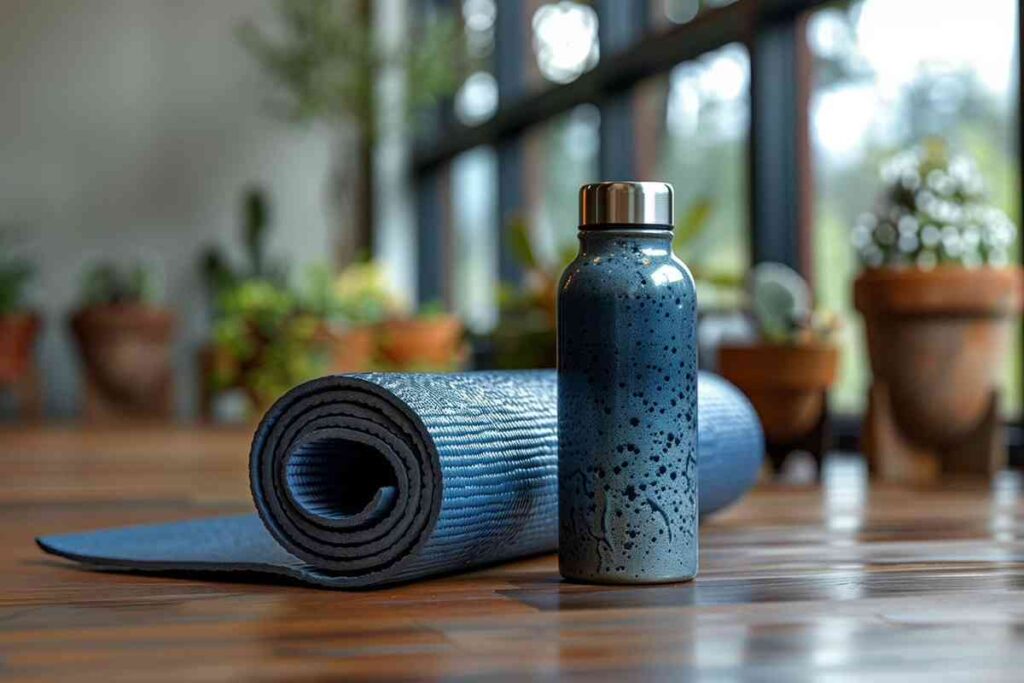
Not needing workout clothes doesn’t mean you should arrive empty-handed.
In fact, a few practical items become more important when you’re practicing without them.
- Yoga mat: Bring your own non-slip mat if the studio allows it.
- Large yoga towel: Useful for absorbing sweat and keeping your mat comfortable.
- Water bottle: Hydration matters, particularly in a warm room.
- Comfortable clothes: Wear something easy to change into before and after class.
- Small bag: Keep your belongings together and away from the practice area.
- Personal hygiene items: Depending on the venue, you may want a separate towel for showering afterward.
One detail beginners sometimes overlook is mat grip. Skin can slide more easily on a sweaty surface, especially during poses such as Downward-Facing Dog.
A clean, absorbent yoga towel can help make the practice safer and more comfortable.
Nude Yoga Etiquette: The Rules That Matter
Good etiquette is essential in any yoga studio. In a nude yoga class, privacy and personal boundaries deserve even more attention.
Reputable organizers should make their policies clear before you participate.
Respect Everyone’s Personal Space
Focus on your own mat and practice rather than watching other participants.
Briefly looking around to follow the instructor is normal. Staring at someone else’s body isn’t.
A shared yoga class should feel like a place to practice, not somewhere people are being evaluated for their appearance.
Don’t Comment on Other People’s Bodies
Even a compliment can feel uncomfortable in a setting where participants may already feel vulnerable.
Avoid commenting on someone’s weight, shape, skin, or physical features.
If you want to be friendly, a simple greeting or conversation about the class is perfectly sufficient.
Ask About Physical Adjustments
Some yoga instructors use touch to help students understand alignment.
In a nude class, consent should be particularly clear.
You’re entitled to decline physical adjustments, and an instructor should respect that decision.
If the teacher doesn’t explain the adjustment policy, ask before the session starts.
Protect Everyone’s Privacy
Don’t take photographs or record videos unless the organizer has explicitly arranged a separate, fully consented activity.
Many nude yoga groups prohibit photography altogether.
Respecting privacy also means avoiding sharing identifying details about other participants without their permission.
Keep the Practice Non-Sexual
In wellness-focused classes, nudity is not an invitation for sexual attention.
Flirting, inappropriate comments, and unwanted touching should not be tolerated.
If someone behaves in a way that makes you uncomfortable, you should be able to approach the instructor or organizer and leave if necessary.
Practice Good Hygiene
Shower before class when possible, use a clean mat and towel, and follow the studio’s cleaning policies.
Avoid heavy perfumes, particularly in smaller spaces.
Clean equipment is important in all shared fitness environments, not just nude yoga.
Are Nude Yoga Classes Mixed-Gender?
Some are, and some aren’t.
Depending on the organizer and location, you may find mixed-gender sessions, men’s groups, women’s groups, or classes organized around a particular community.
There are also private sessions and online programs for people who prefer practicing alone.
It’s important not to assume that a particular type of group automatically has a sexual atmosphere.
The better questions are whether the class has clear boundaries, what kind of yoga is taught, and whether the environment matches your expectations.
Before attending, check the organizer’s participation requirements and code of conduct.
How to Find a Reputable Nude Yoga Class
Nude yoga isn’t offered at every fitness studio, so finding an appropriate class may take a little research.
Start by searching for terms such as “nude yoga classes near me” or “naked yoga studio” followed by your city.
You can also contact established yoga studios and ask whether they offer occasional clothing-optional workshops or know reputable instructors.
Before booking, I would pay particular attention to the following questions:
- Who teaches the class, and what yoga training do they have?
- Is the class explicitly non-sexual?
- What are the rules about touching and consent?
- Are photographs and recordings prohibited?
- Is the class beginner-friendly?
- Is participation fully nude or clothing-optional?
- Are there private changing facilities?
- What happens if a participant violates the rules?
- Can you leave if you become uncomfortable?
Look for a clearly identified organizer, transparent booking information, and a published code of conduct.
Be cautious if someone pressures you to undress before explaining the class, refuses to discuss boundaries, or suggests that unwanted physical contact is part of the experience.
A reputable instructor should be able to answer reasonable questions without making you feel embarrassed for asking.
Can You Practice Nude Yoga at Home?
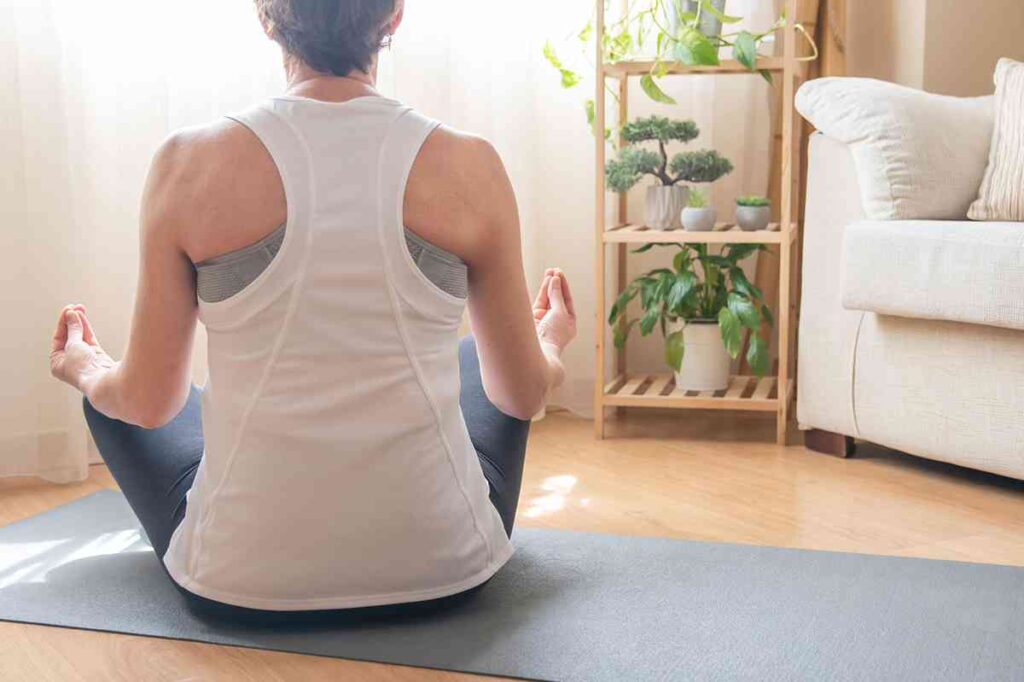
Absolutely. In fact, practicing privately at home may be the most comfortable way to decide whether nude yoga appeals to you.
You don’t need a special studio, expensive equipment, or an audience.
Choose a private space where you won’t be interrupted, make sure the room is comfortably warm, and place a clean mat on a stable surface.
If you’re new to yoga, follow a beginner-friendly routine from a qualified instructor rather than attempting complicated poses on your own.
A Simple Beginner Nude Yoga Routine
If you already know the basic movements and can perform them comfortably, this gentle sequence is one way to explore the experience.
- Seated breathing, 2 minutes: Sit comfortably and focus on slow, natural breaths.
- Cat-Cow, 2 minutes: Move gently between rounding and extending your spine.
- Child’s Pose, 2 minutes: Rest in a comfortable position, using a cushion if necessary.
- Mountain Pose, 2 minutes: Stand with a stable posture and notice your balance.
- Gentle standing stretches, 3 minutes: Move slowly through comfortable side stretches and shoulder movements.
- Savasana, 4 minutes: Lie down in a relaxed position and allow your breathing to settle.
The sequence takes approximately 15 minutes, and you can adjust it to suit your comfort and experience.
You might find the lack of clothing refreshing. You might also discover that you’d rather put your favorite leggings back on.
Neither reaction means you’ve done anything wrong.
If you enjoy exploring different ways to exercise, you may also like our look at naked fitness, its pros and cons, and where to try it.
Is Nude Yoga Safe?
Nude yoga generally involves the same physical movements as conventional yoga, so many of the physical risks are similar.
According to the NCCIH, yoga is generally considered safe for healthy people when practiced appropriately, particularly with guidance from a qualified instructor. However, sprains, strains, and other injuries can occur.
Beginners should avoid forcing difficult poses and choose a class suited to their abilities.
Some additional considerations are worth keeping in mind.
- Slippery surfaces: Sweat can reduce your grip on a mat.
- Room temperature: A cold room can make relaxation uncomfortable, while excessive heat introduces the usual risks associated with hot yoga.
- Skin comfort: Clean shared surfaces carefully and avoid irritating areas of sensitive or damaged skin.
- Physical limitations: Modify poses if you have an injury, pain, or reduced mobility.
- Emotional comfort: Group nudity can feel vulnerable, and there’s no reason to push yourself beyond your boundaries.
If you’re pregnant, recovering from an injury, or managing a medical condition, speak with a qualified health professional about an appropriate yoga practice.
The key point is that practicing naked doesn’t make a difficult pose safer or eliminate the need for good technique.
What Are the Downsides of Nude Yoga?
Nude yoga can be an enjoyable experience, but it isn’t necessarily the right fit for everyone.
There are some practical and emotional drawbacks worth considering.
You May Feel Self-Conscious
If you’re uncomfortable being naked around others, the experience may feel distracting rather than relaxing.
It can take time to become comfortable, and some people may never enjoy group nudity.
That’s perfectly reasonable.
Finding a Suitable Class Can Be Difficult
Availability depends on where you live.
Some cities have organized classes, while other areas may have no established providers at all.
Online instruction or private home practice may be more accessible.
Not Every Group Has the Same Rules
Different organizers have different expectations about nudity, participation, touching, and the overall atmosphere.
That makes checking the class description and policies particularly important.
There’s No Proven Extra Fitness Advantage
Practicing without clothing may feel liberating, but there’s no established evidence that it produces greater strength, flexibility, or weight loss than comparable clothed yoga practice.
If your primary goal is physical fitness, the quality and consistency of the yoga practice matter more than what you’re wearing.
Is Nude Yoga Right for You?
Here’s a useful question to ask yourself: Am I interested in nude yoga because I want to explore a different relationship with my body, or do I feel pressured to prove that I’m confident?
Those are two very different motivations.
You might enjoy nude yoga if you’re curious about body-positive wellness, comfortable exploring new experiences, or interested in removing some of the distractions associated with clothing.
On the other hand, you might prefer conventional yoga if group nudity causes significant discomfort, you value greater privacy, or you’d rather concentrate entirely on the poses.
There’s no hierarchy here. One approach isn’t more enlightened than the other.
And if you’re drawn to the reflective side of yoga without the nudity, even a traditional retreat can offer opportunities for slowing down and reconnecting with yourself. Our guide to yoga retreats in Japan explores another way to make your practice feel more intentional.
Frequently Asked Questions About Nude Yoga
Is nude yoga the same as naked yoga?
Yes. The terms nude yoga and naked yoga generally refer to practicing yoga without clothing. The specific style, atmosphere, and participation rules depend on the instructor or organizer.
Do you have to be completely naked in a nude yoga class?
It depends on the class. Some organizers require full nudity, while others offer clothing-optional sessions or introductory workshops. Check the policy before attending.
Is nude yoga sexual?
Wellness-focused nude yoga classes are generally intended to be non-sexual. Reputable organizers should establish clear rules about behavior, privacy, personal space, and consent. Never assume that every group follows the same policies.
Can beginners try nude yoga?
Yes, provided the class welcomes beginners and offers suitable modifications. You don’t need to be exceptionally flexible or experienced. If you’ve never practiced yoga before, a qualified beginner instructor can help you learn safe technique.
What if I feel embarrassed during class?
Feeling nervous about group nudity is understandable. Focus on your breathing and movement, and avoid comparing yourself with others. If you become uncomfortable, you should be able to speak with the instructor or leave. There’s no need to force yourself to continue.
Can I practice nude yoga alone?
Yes. Home practice offers greater privacy and gives you control over the room temperature, routine, and duration. Beginners should use appropriate instruction and avoid advanced poses until they understand the technique.
Do I need a special yoga mat?
No special nude yoga mat is required. A clean, non-slip mat and an absorbent towel are useful, especially because sweat may make the surface slippery.
Does nude yoga improve body confidence?
Some people describe feeling more accepting of their bodies after practicing nude yoga, but the experience varies. There isn’t enough high-quality research to conclude that practicing naked reliably improves body image more than other yoga approaches.
Can I take photos at a nude yoga class?
Don’t assume photography is allowed. Many organizers prohibit photos and videos to protect participants’ privacy. Follow the class rules and never photograph another person without their explicit consent.
Final Thoughts: You Don’t Have to Be Fearless to Try Nude Yoga
Nude yoga might sound intimidating at first, and for some people, that initial discomfort is exactly what makes the experience worth exploring.
But the most interesting part isn’t really the nudity.
It’s the possibility of spending a little time with your body without trying to change how it looks, hide its imperfections, or compare it with someone else’s.
Of course, you don’t need to take your clothes off to develop that kind of awareness.
If you’re curious, start with a private home practice or research a reputable beginner class. Pay attention to how you feel, respect your boundaries, and remember that you can change your mind at any point.
Yoga is supposed to help you connect with yourself. Whether you’re wearing your favorite leggings or nothing at all, that part remains the same.
Further Reading and Sources
For additional information about yoga and class expectations, these resources are a useful starting point:
- National Center for Complementary and Integrative Health: Yoga Effectiveness and Safety, evidence-based information about yoga benefits and risks.
- Verywell Fit: What to Expect at a Naked Yoga Class, guidance on class formats and preparation.
- Naked Yoga Reykjavík: Community Rules, an example of published policies concerning consent, privacy, and respectful conduct.
- About the Author
- Latest Posts

I’m Iskra Banović, editor of Blufashion and the voice behind its fashion, beauty, and lifestyle stories. Fashion, beauty, and lifestyle are my playground, but I’m just as likely to share the messy side of it all, like the time I tested a “must-have” skincare gadget and ended up with glitter stuck in my hair. I love turning trends and everyday finds into something useful (and fun) for real people.