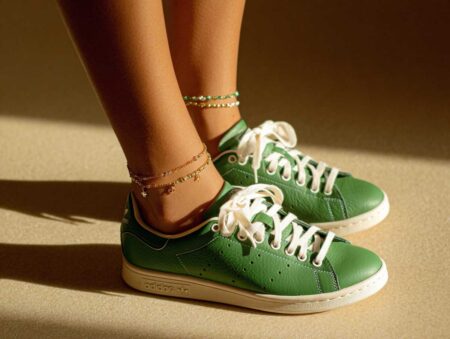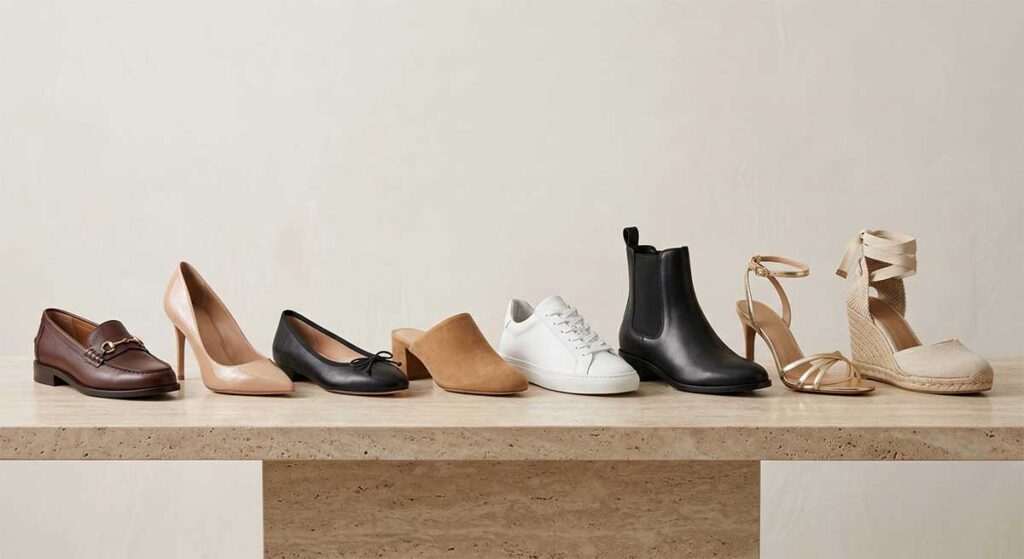
If you have ever looked at a pair of shoes and thought, “Wait, is this a mule, a loafer, or just marketing with better lighting?”, you are in the right place.
This shoe styles glossary is here to make the whole thing less annoying and a lot more useful. I’ve noticed most people are not confused because shoes are wildly complicated. They are confused because brands, retailers, and trend cycles keep renaming familiar silhouettes until everything starts to feel a little slippery.
Here’s the truth at the center of this guide: once you know the language, shopping gets easier. You filter faster. You build outfits with more confidence. You waste less money on shoes that looked perfect in a product photo and somehow made no sense once they landed on your doorstep.
If you want to go deeper after this, browse our shoe styles and outfit ideas hub for more styling help, shopping advice, and practical guides.
So let’s clear the fog. Below, I’ll break down the most common shoe style names, what makes each one different, which pairs people mix up all the time, and how to use this shoe styles glossary in real life.
Shoe Styles Glossary, Start Here
A shoe styles glossary is a guide to the names, shapes, and defining features of common shoe styles.
The goal is not to turn you into a footwear historian. The goal is to help you recognize what you are looking at without feeling like you need a decoder ring.
I learned pretty quickly that the name of a shoe usually comes down to four things:
- toe shape
- heel type
- how much of the foot it covers
- whether the back is open, closed, or strapped
Once you start looking at shoes this way, the chaos calms down.
Why Shoe Names Get Confusing So Fast
The mistake usually happens when similar styles sit too close together.
A loafer and a moccasin can look related. A pump and a stiletto get used like they mean the same thing. A mule and a slide can blur together, especially online, where one flattering angle can make almost anything look more refined than it really is.
Then brands make things messier. One retailer calls a shoe a “flat mule.” Another calls nearly the same thing a “backless loafer.” Technically, both may survive the argument. For the person trying to shop, it is still a headache.
In real life, most people want one thing, a clear answer they can actually use. That is what this guide is built for.
Flats, Heels, Boots, and Sandals, The Main Categories
Before getting into individual shoe names, it helps to understand the broad groups most styles belong to.
Flats
Flats usually have little to no heel. They are often easy to wear, but that does not mean boring. Their personality comes from shape, line, and finish rather than height.
Heels
Heels are defined by elevation, but not all heels create the same effect. Some feel sharp and formal. Others feel steady, relaxed, or quietly elegant.
Boots
Boots rise above the foot and cover at least the ankle. Their identity usually depends on shaft height, toe shape, heel, and whether the fit is sleek or roomy.
Sandals
Sandals expose more of the foot and are usually built with straps or minimal upper coverage. Some look casual, some look polished, and some seem determined to ruin your feet by noon.
Common Shoe Styles and What They Actually Mean
Ballet Flats
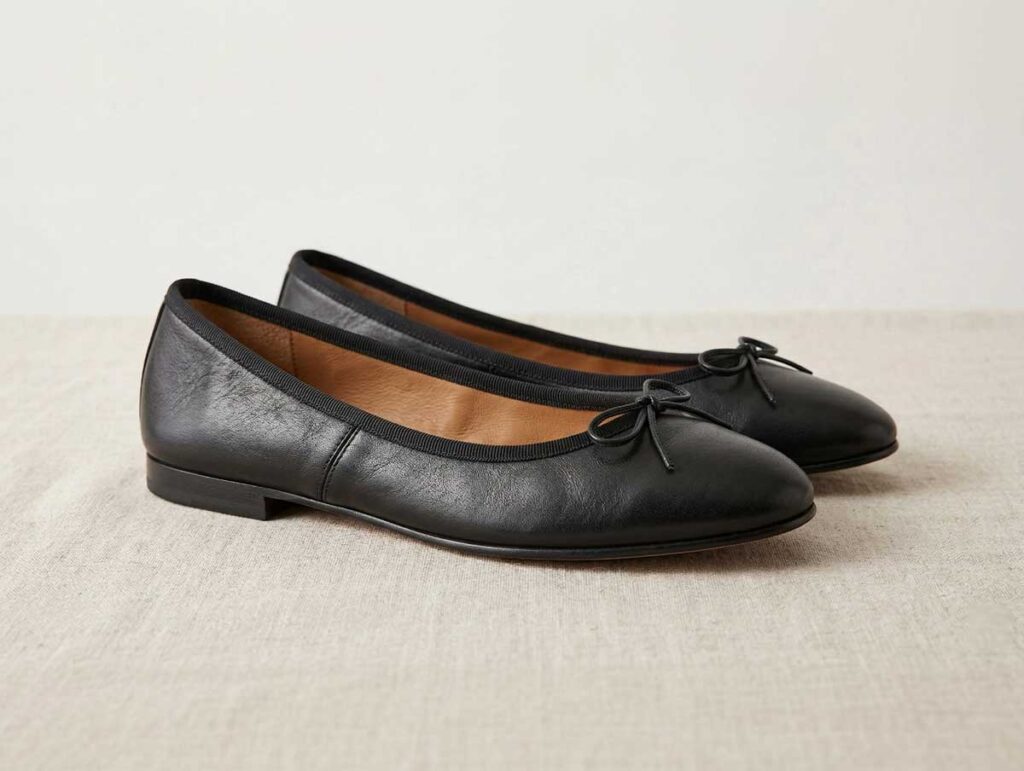
Ballet flats are flat, closed-toe shoes with a low-cut opening and a soft, simple silhouette. They borrow their look from ballet slippers, though they are built for very different lives.
What makes them distinct is the clean, light shape. No heavy sole. No major hardware. No dramatic heel.
They are easy, feminine, and low-profile.
Loafers
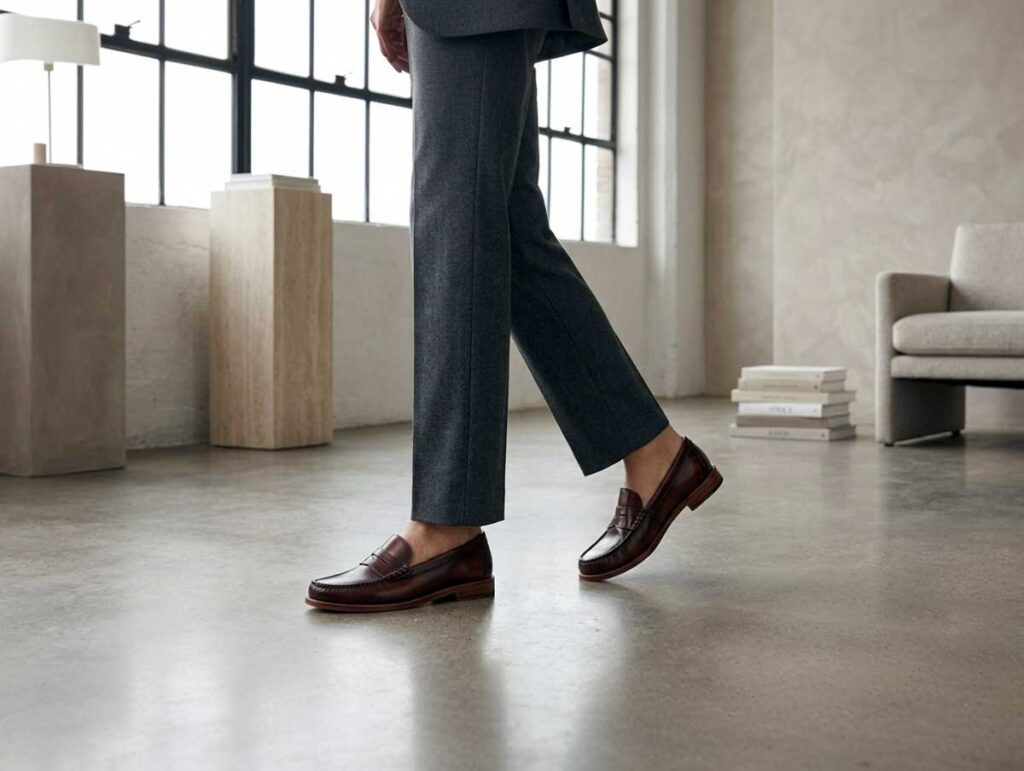
Loafers are slip-on shoes with a structured shape and closed upper, usually with a low heel or flat sole. Many have penny straps, bit hardware, or stitched detailing across the top.
Loafers usually feel polished, even when they are chunky. They bring a certain order to an outfit.
If a shoe looks smart, closed, and laceless, there is a good chance it is a loafer. If you want to explore more categories like this, our guide to women’s shoes is a good next stop.
Moccasins
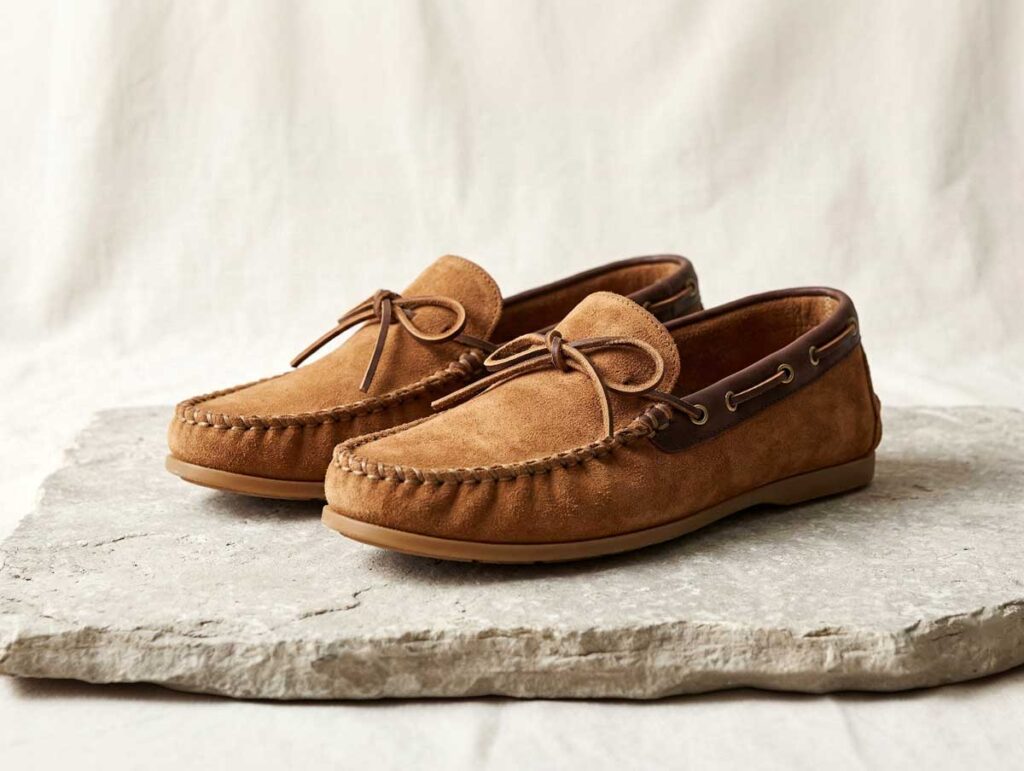
Moccasins are softer and more flexible than loafers, often with visible stitching around the toe and a more relaxed overall shape.
We see this mix-up a lot. A loafer usually looks more structured and city-ready. A moccasin often feels softer, more casual, and closer to slipper territory.
Oxfords
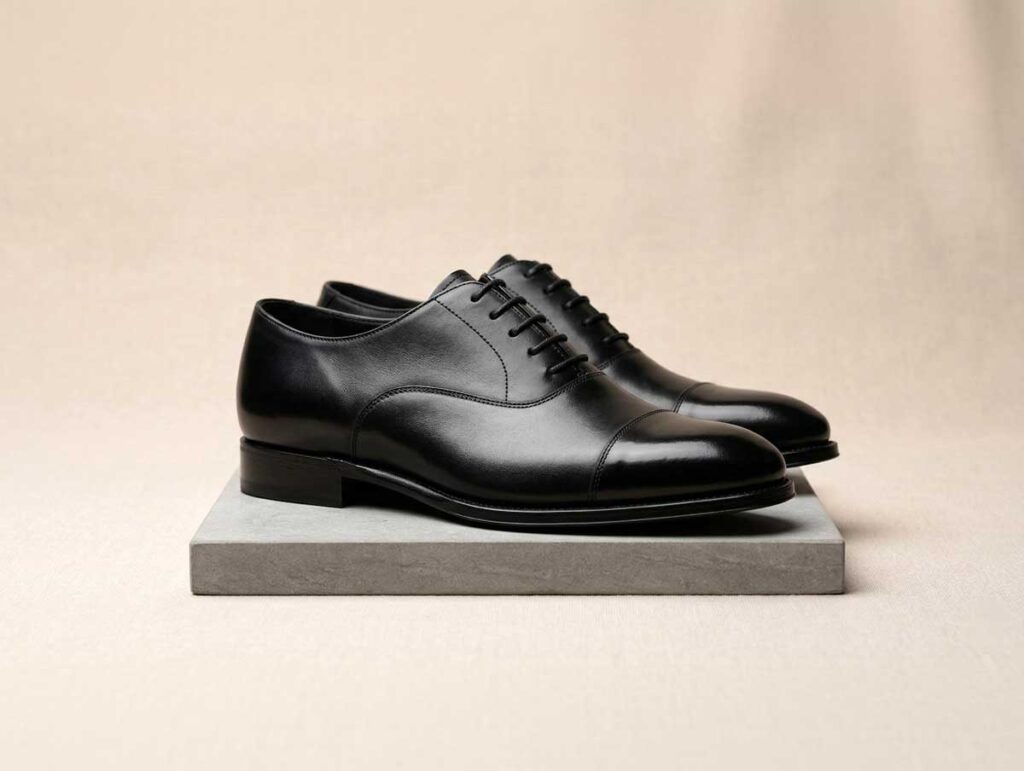
Oxfords are lace-up shoes with a closed lacing system, which means the eyelet tabs are stitched under the front part of the shoe. They usually look cleaner and more formal than other lace-ups.
If the shoe feels tailored and classic, it is probably in Oxford territory.
Brogues
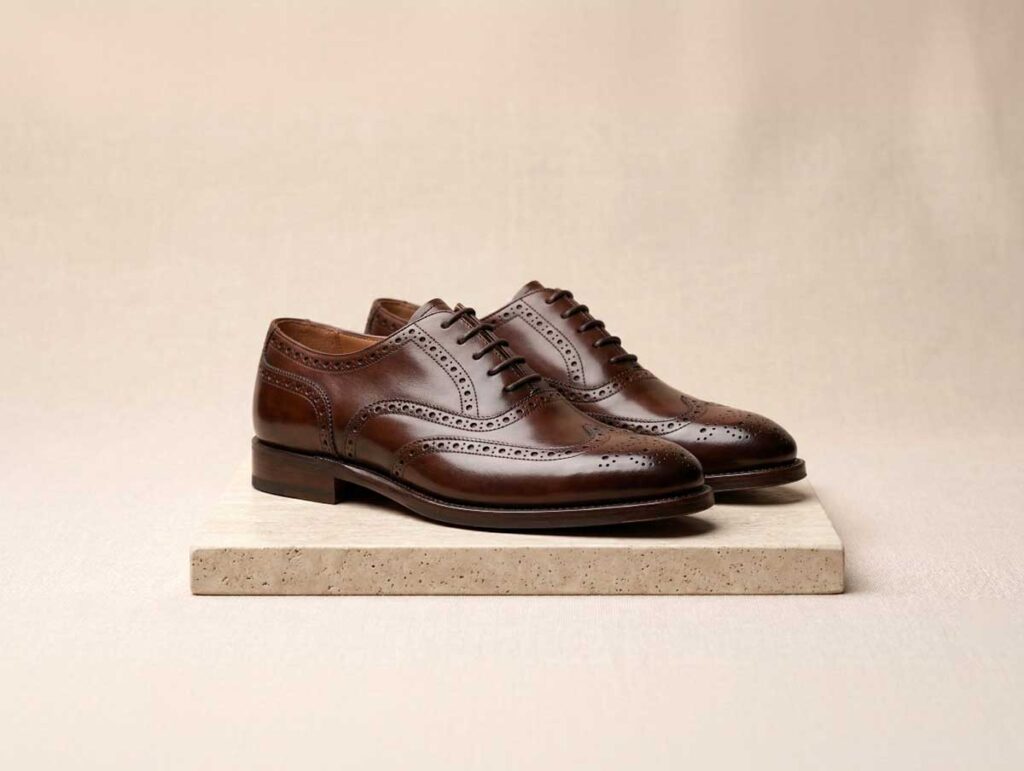
Brogues are not a shoe shape first, they are a detailing category. The word refers to decorative perforations and serrated edges in the leather.
You can have Oxford brogues, derby brogues, and other variations. That is why people get tripped up. Brogue tells you about the decoration, not always the full shoe structure.
Pumps
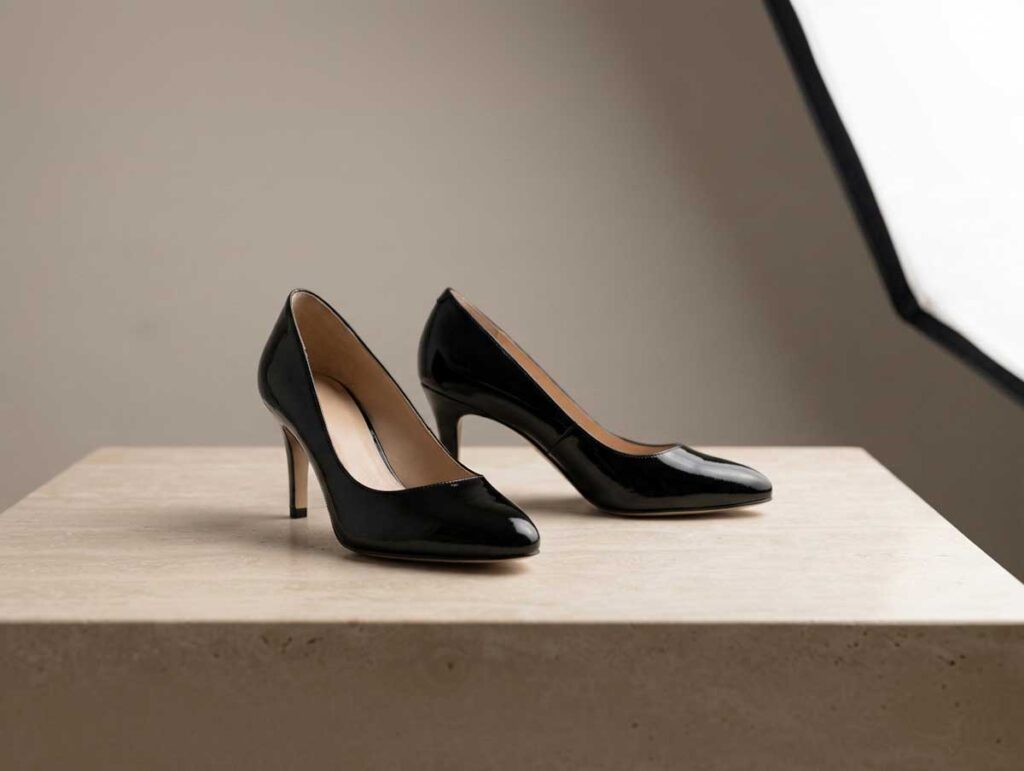
Pumps are closed-toe, low-cut shoes, usually heeled, with no fastening. They are streamlined, simple, and one of the most recognizable classic dress shoe styles.
The key thing is the silhouette. Pumps are defined less by dramatic features and more by their clean, uninterrupted shape.
Stilettos
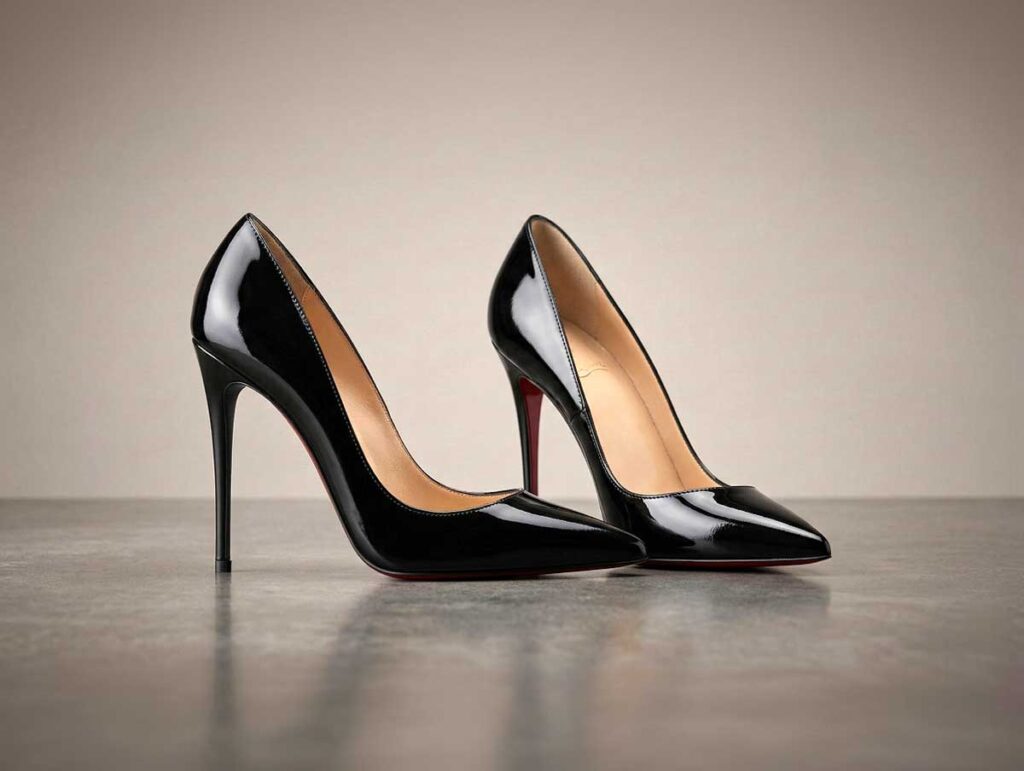
A stiletto is a type of heel, not always a full shoe category by itself. It refers to a thin, high heel that looks narrow and sharp.
This is where the confusion starts. Not every pump is a stiletto. But many stilettos are pumps.
Think of it this way, a pump is the shoe style, a stiletto is the heel shape.
Kitten Heels
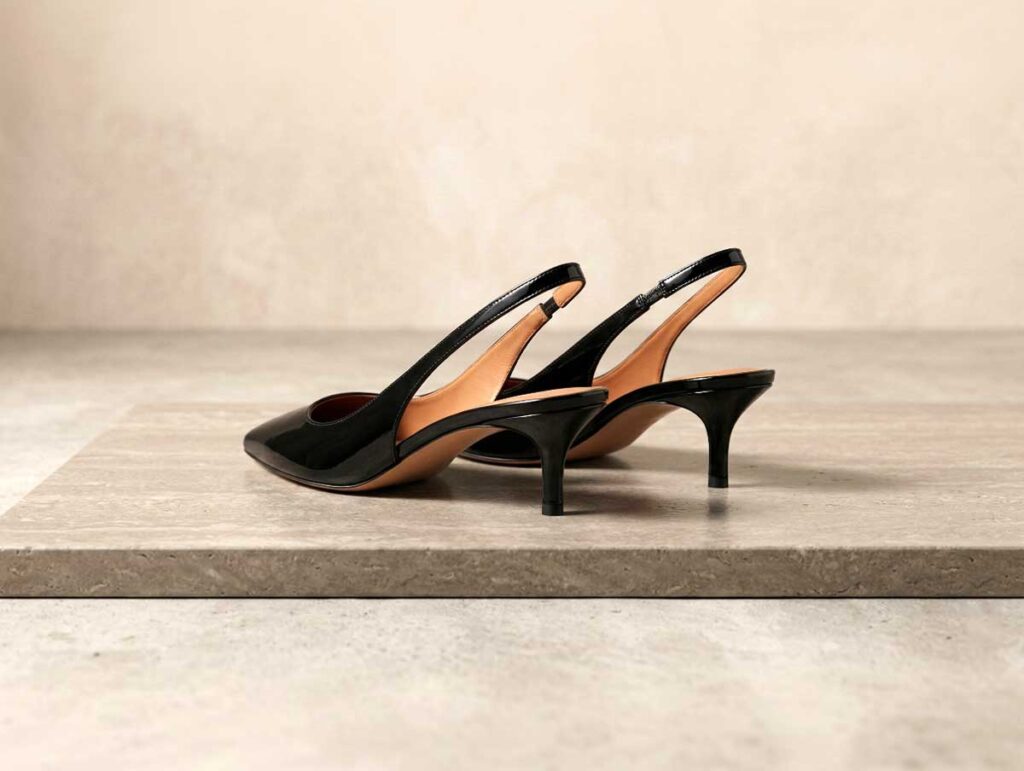
Kitten heels are short, slim heels, usually around 1 to 2 inches high. They feel lighter and less intense than stilettos, but more elevated than flats.
What surprised me was how often kitten heels end up being the smartest answer for people who want polish without punishment.
Block Heels
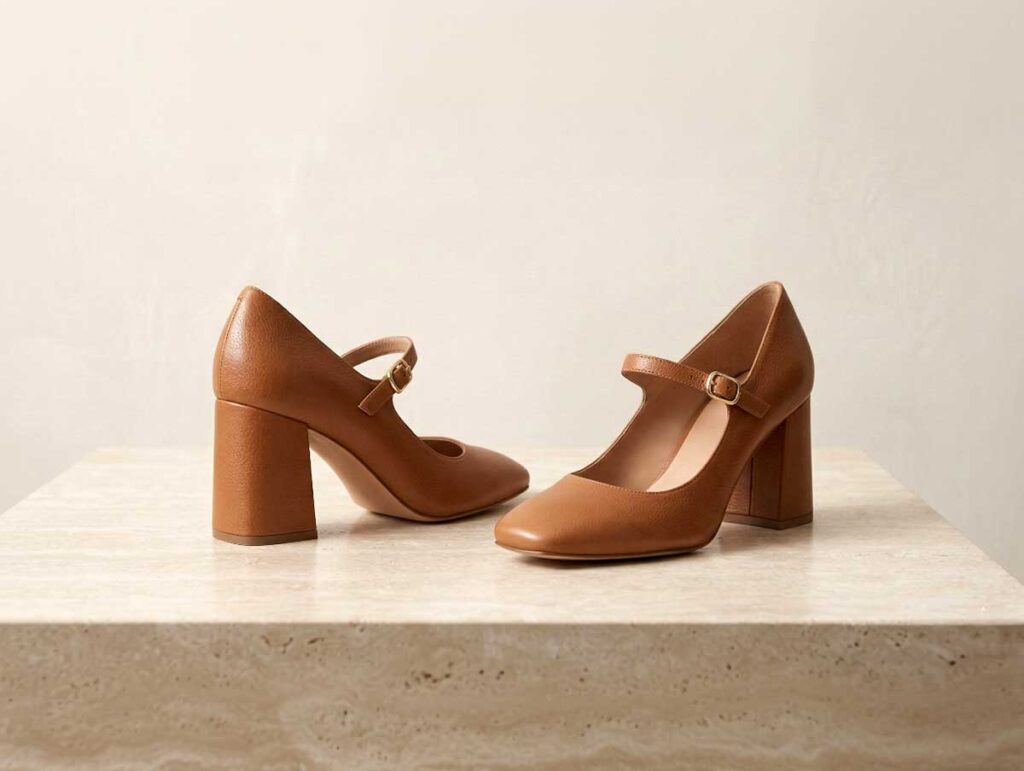
Block heels are thick, wide heels that offer more stability than slimmer ones. They can appear on pumps, sandals, ankle boots, and mules.
If you want height but still plan to walk like a human being, block heels tend to be the safer choice.
Slingbacks
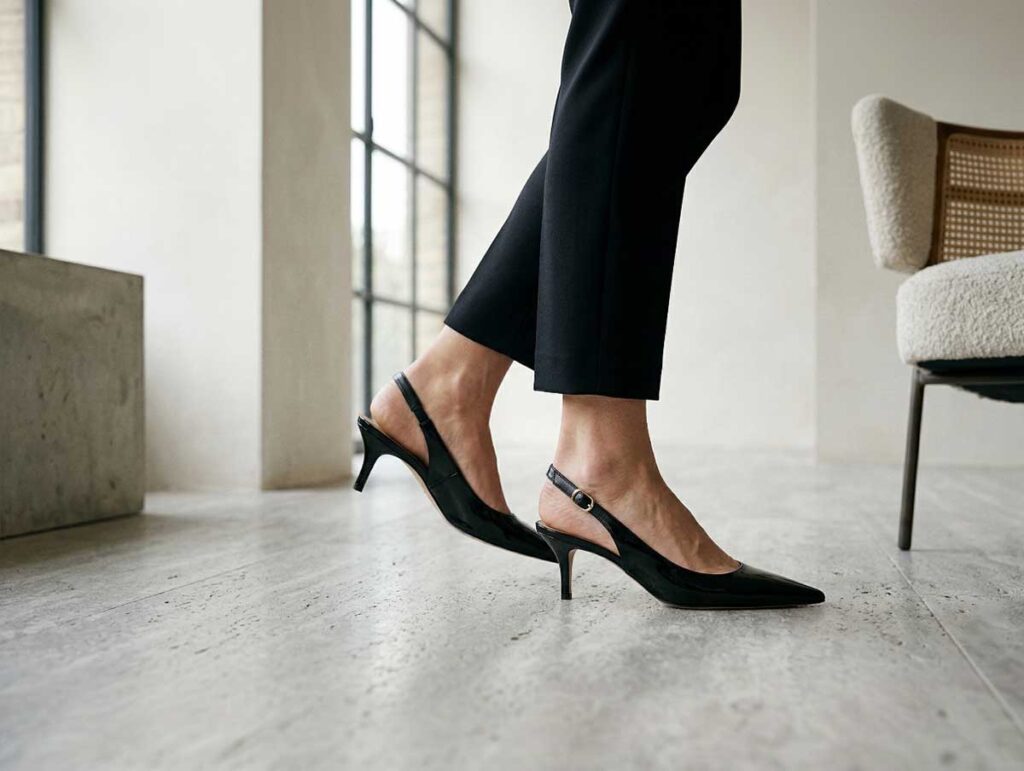
Slingbacks are shoes with a strap that wraps behind the heel instead of enclosing the full back of the foot.
That one detail changes the mood immediately. A slingback often feels lighter and less severe than a standard pump. It shows a little more skin and usually feels easier in warm weather.
Mules
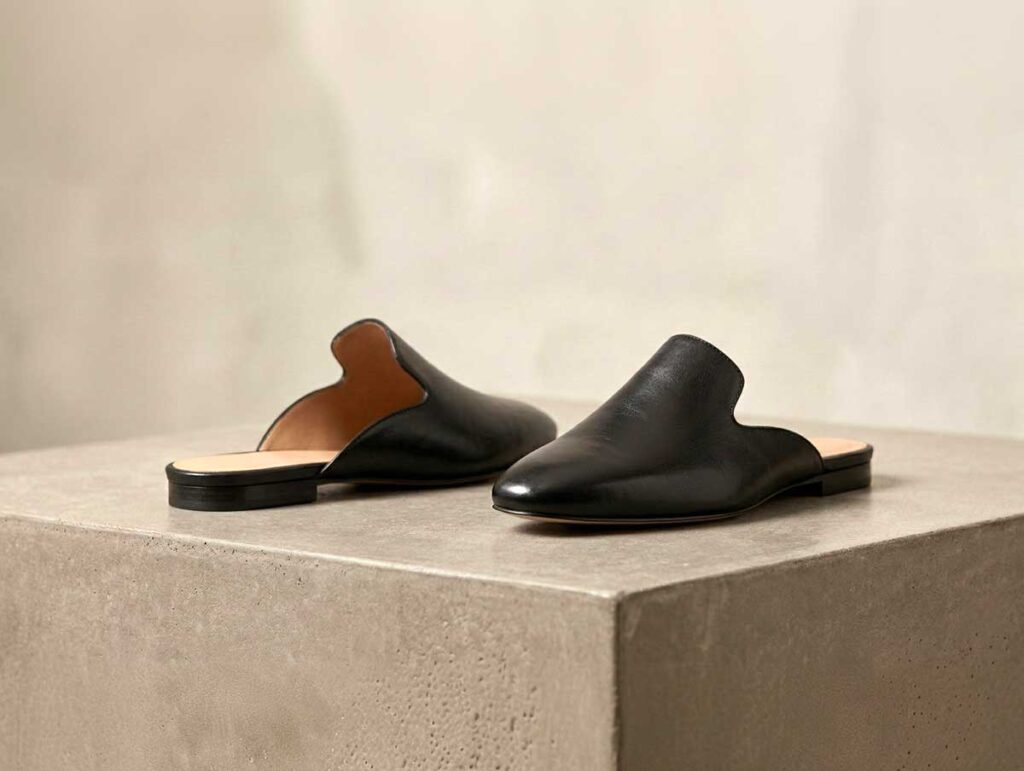
Mules are backless shoes with a closed or partly closed front. They slip on and expose the heel.
A mule can feel elegant, lazy, sleek, or fashion-editor smug depending on the cut. That range is part of the fun.
Slides
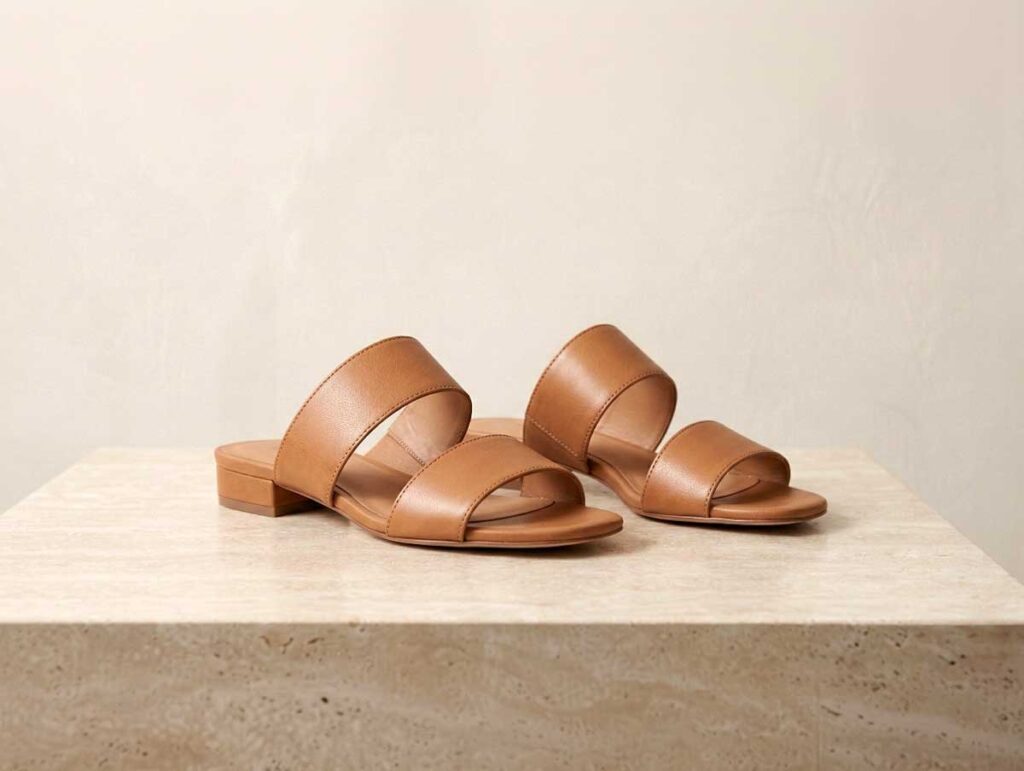
Slides are backless, open-toe shoes designed to slip on easily. They are usually more casual than mules.
A simple way to remember the difference:
- Mules are usually closed in front.
- Slides are usually open in front.
Not always, but often enough to save you time.
Sandals
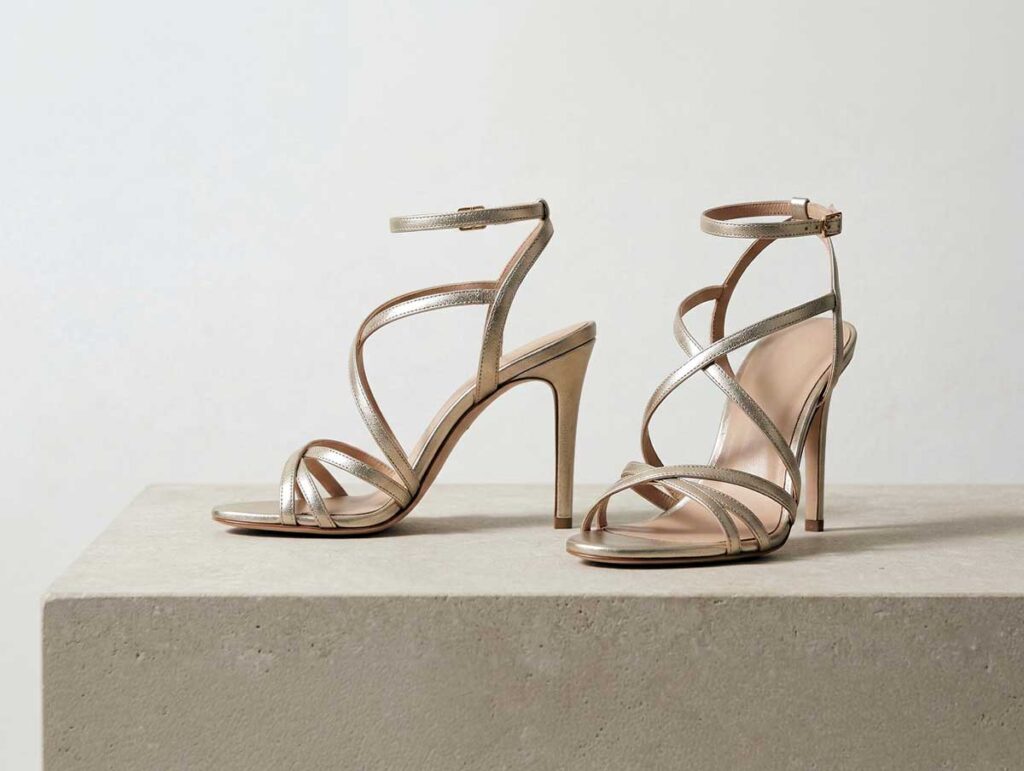
Sandals are open shoes held by straps, bands, or minimal upper construction. They range from flat everyday styles to dressier heeled versions.
The category is broad, so sandal styles often need a second label too, such as strappy sandals, gladiator sandals, or platform sandals.
Wedges
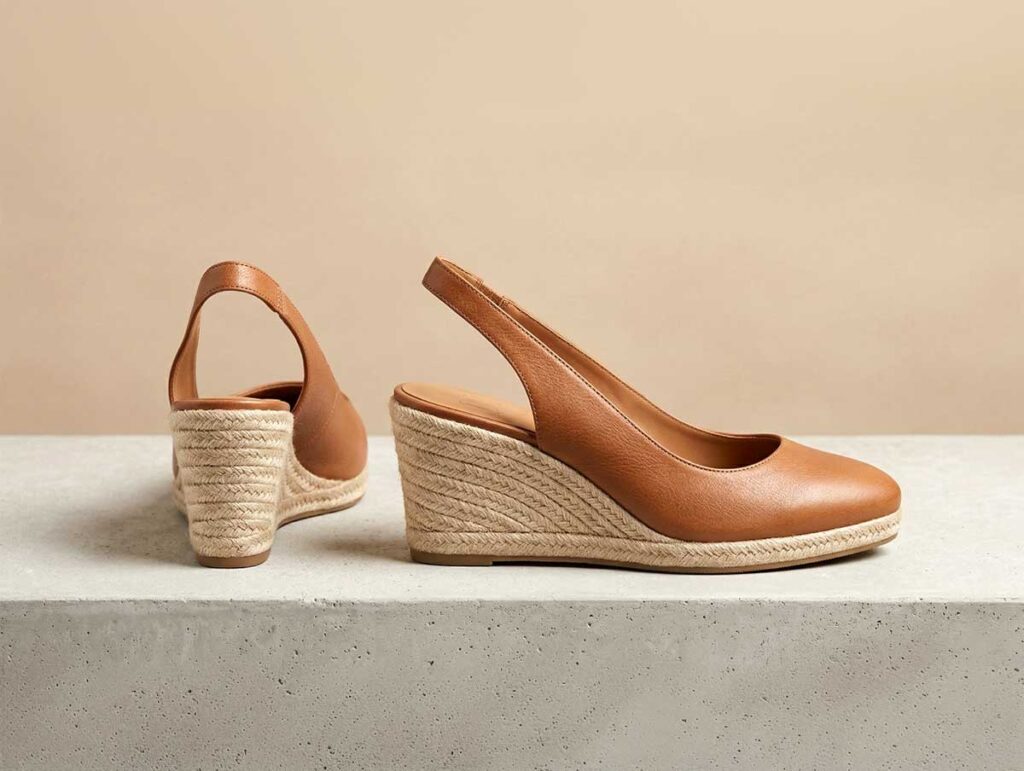
Wedges have a sole that runs as one continuous piece from heel to midfoot or toe, rather than separating the heel from the front part of the shoe.
They give height with more support, which is why many people find them easier to wear than a traditional high heel.
Sneakers
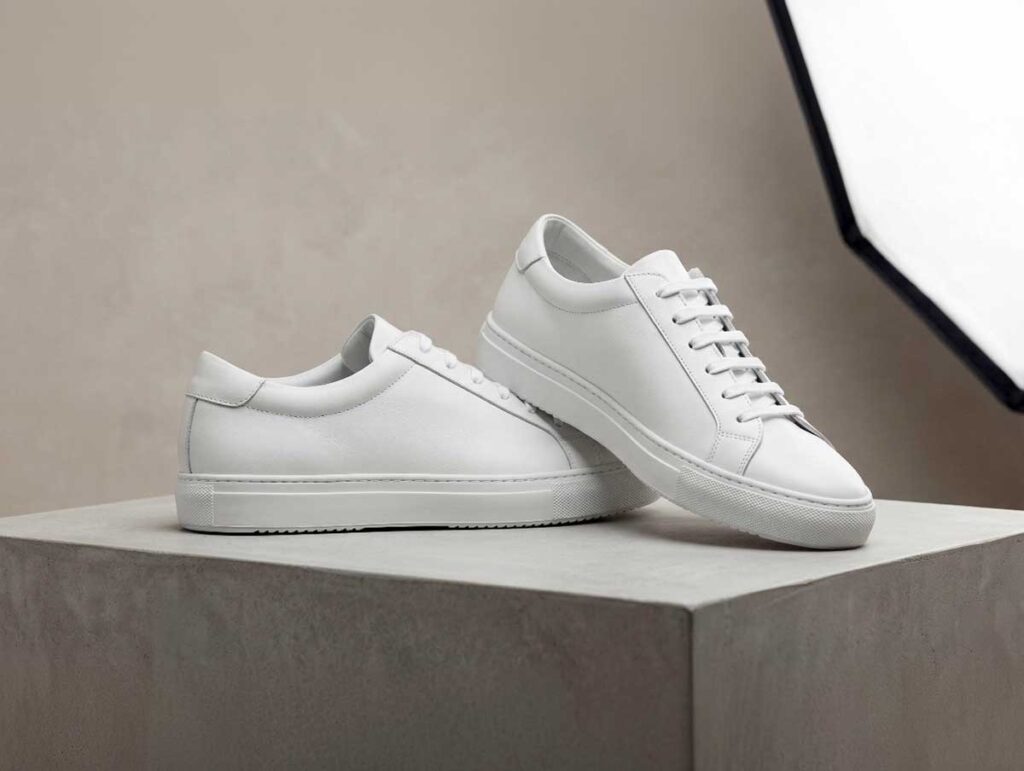
Sneakers are casual shoes built with comfort, movement, and rubber soles in mind. Fashion has dragged them into every possible setting, but their core identity still leans sporty, grounded, and practical.
If leggings are part of your weekly wardrobe, our guide to what shoes to wear with leggings helps turn these shoe names into actual outfit choices.
Ankle Boots
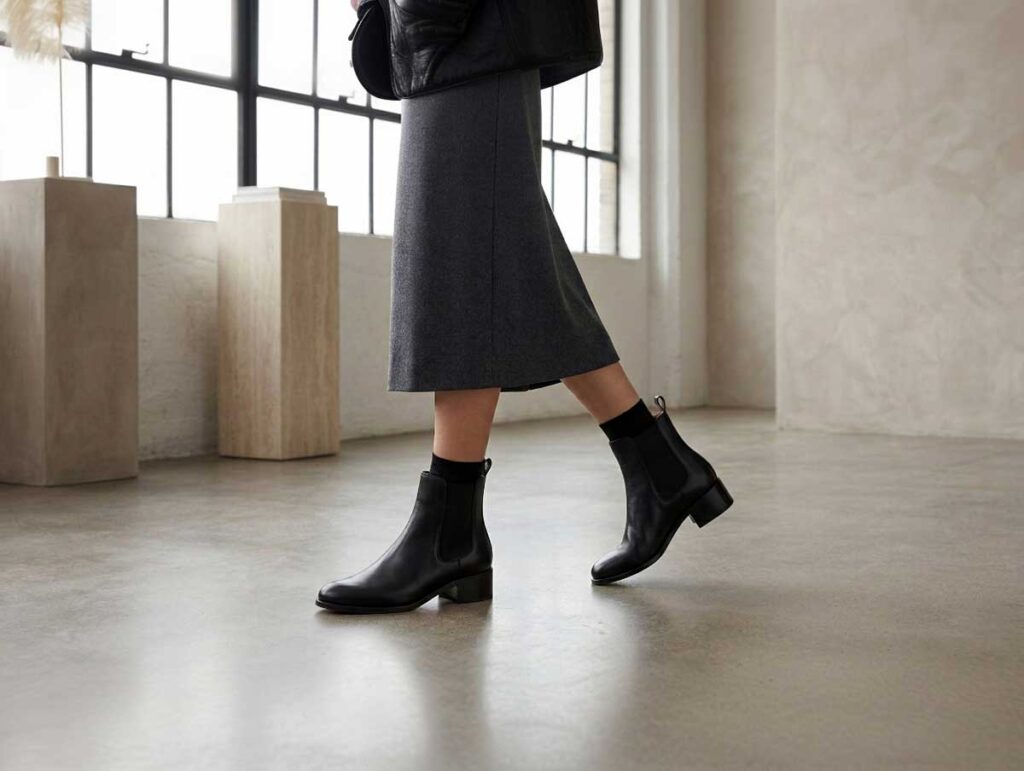
Ankle boots end around the ankle or just above it. They can be flat or heeled, sleek or chunky, minimal or trend-heavy.
This is one of the most useful categories to understand because the styling range is wide. The right ankle boot can sharpen jeans, balance dresses, or rescue an outfit that feels a little tired.
Chelsea Boots
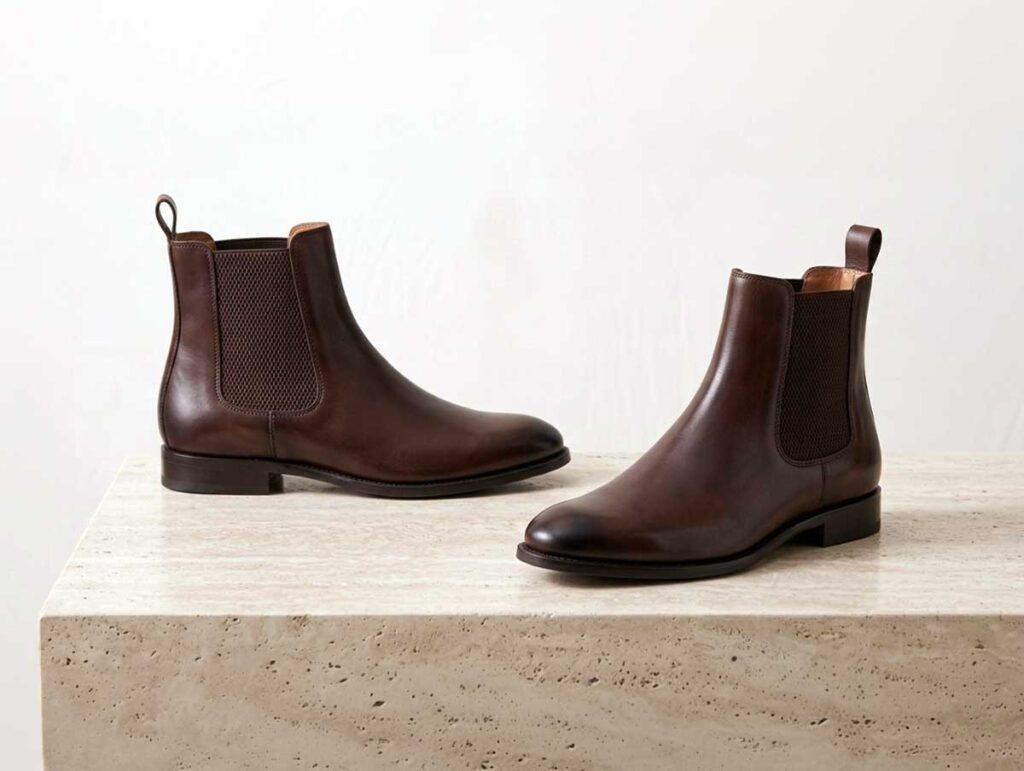
Chelsea boots are ankle boots with elastic side panels and a pull-on shape. No laces. No buckles. Just clean side stretch and a streamlined profile.
They tend to look quietly confident. Rarely flashy, often right.
Knee-High Boots
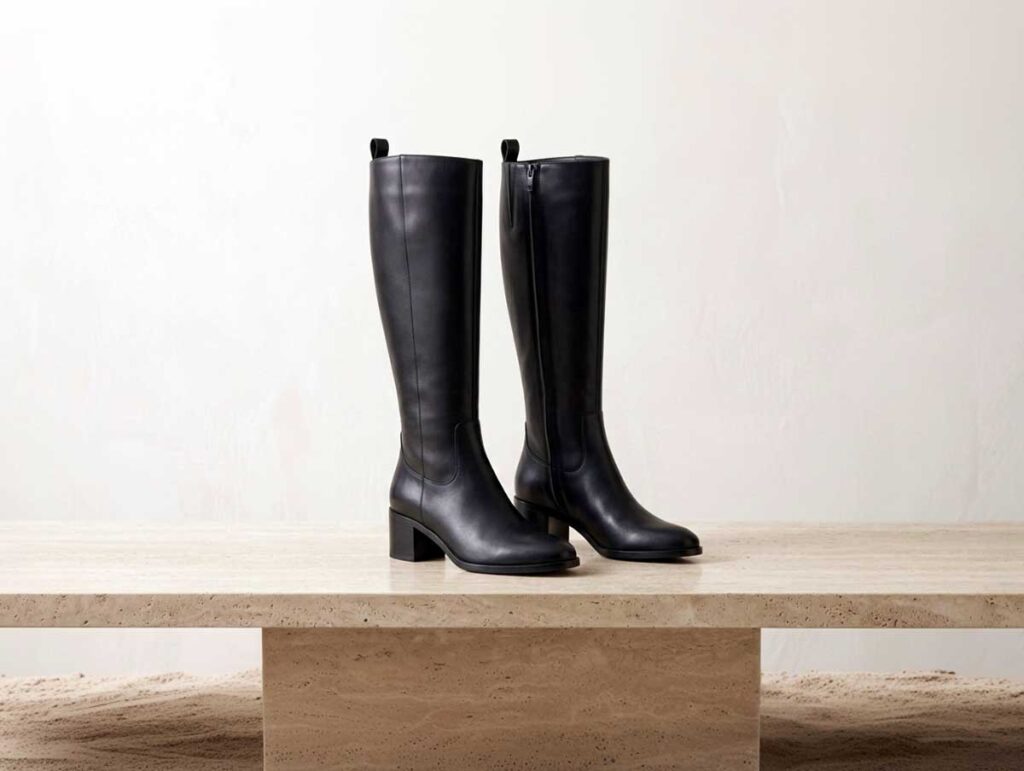
Knee-high boots rise to the knee or just below it. They can be fitted, slouchy, flat, or heeled depending on the design.
They bring presence. Even a simple outfit starts acting different once knee-high boots walk into the picture.
Similar Shoe Styles People Mix Up All the Time
Loafers vs. Moccasins
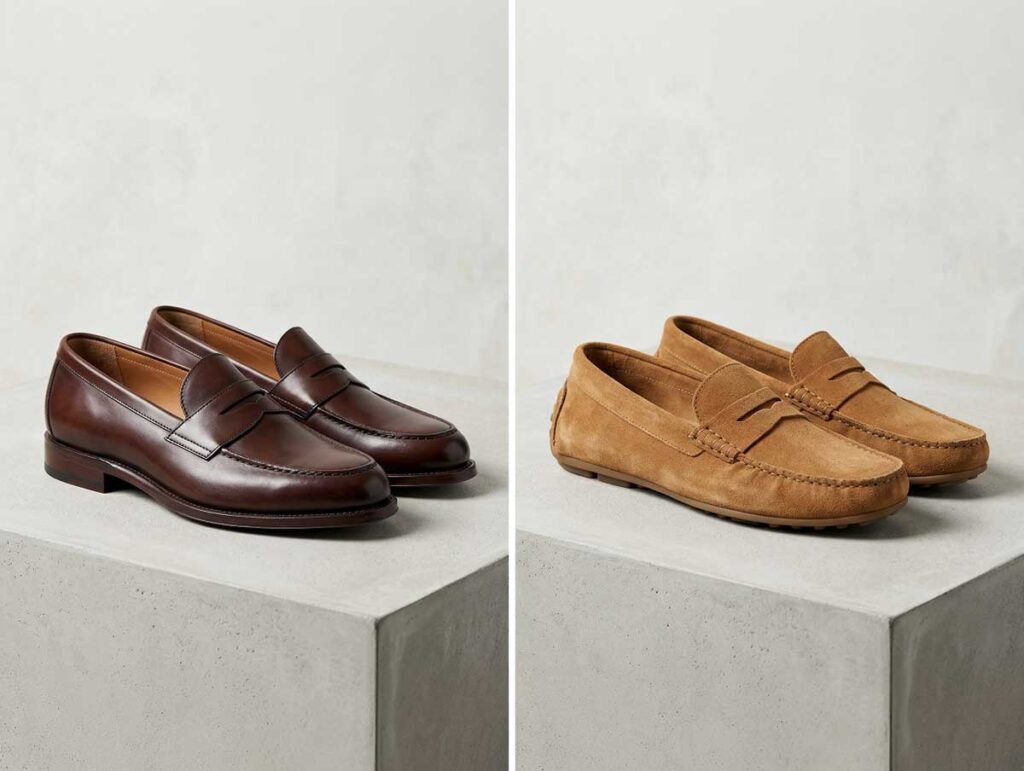
Loafers are more structured. Moccasins are softer.
If the shoe feels polished enough for a tailored outfit, it is probably closer to loafer territory. If it feels relaxed and flexible, think moccasin.
Pumps vs. Stilettos
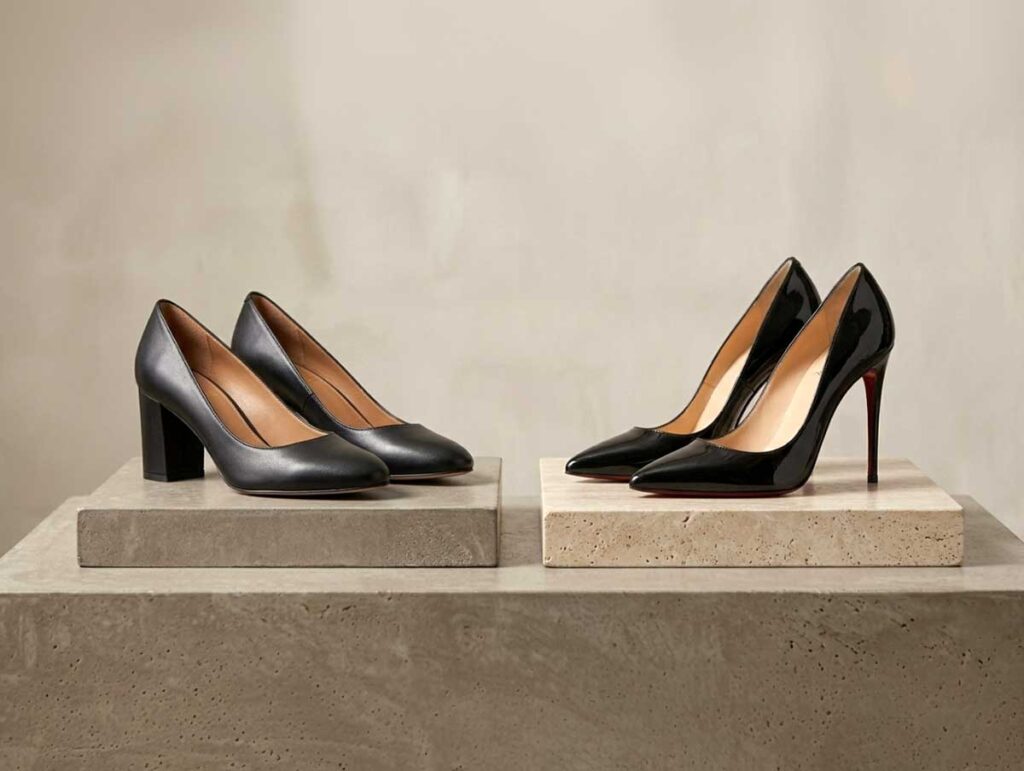
A pump is the overall shoe style. A stiletto refers to the heel shape.
So yes, a pump can have a stiletto heel. But not every pump does.
Mules vs. Slides
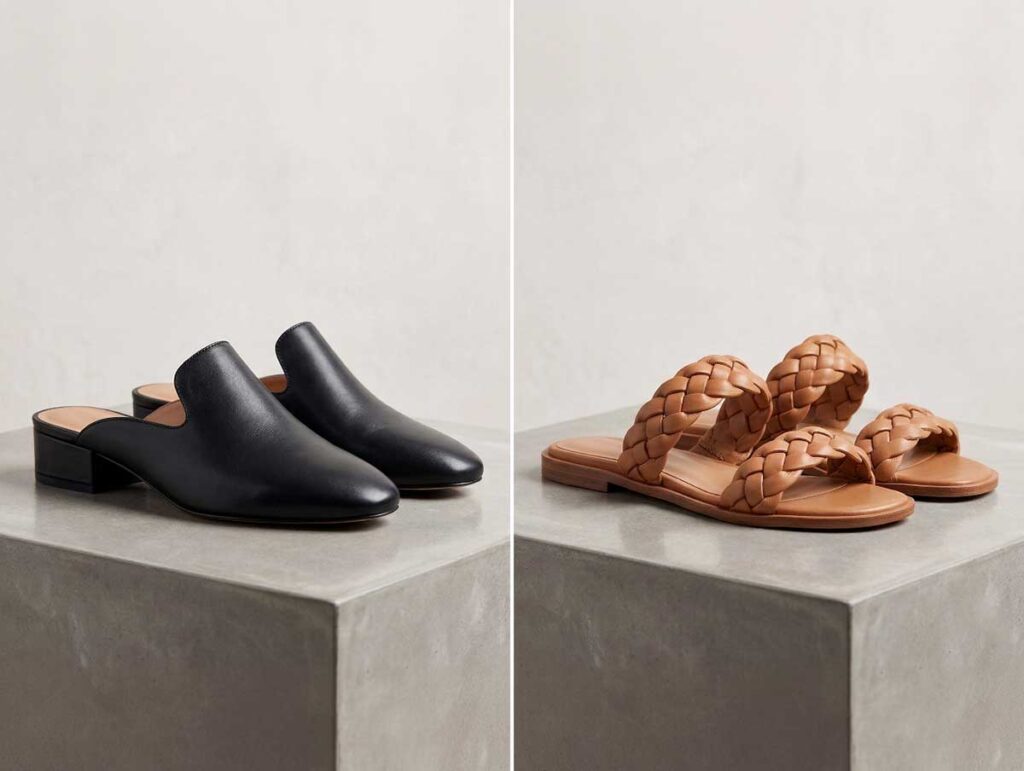
Mules are usually backless with a more closed front. Slides are backless with an open front.
If your toes are fully out there introducing themselves, you are probably looking at a slide.
Ankle Boots vs. Knee-High Boots
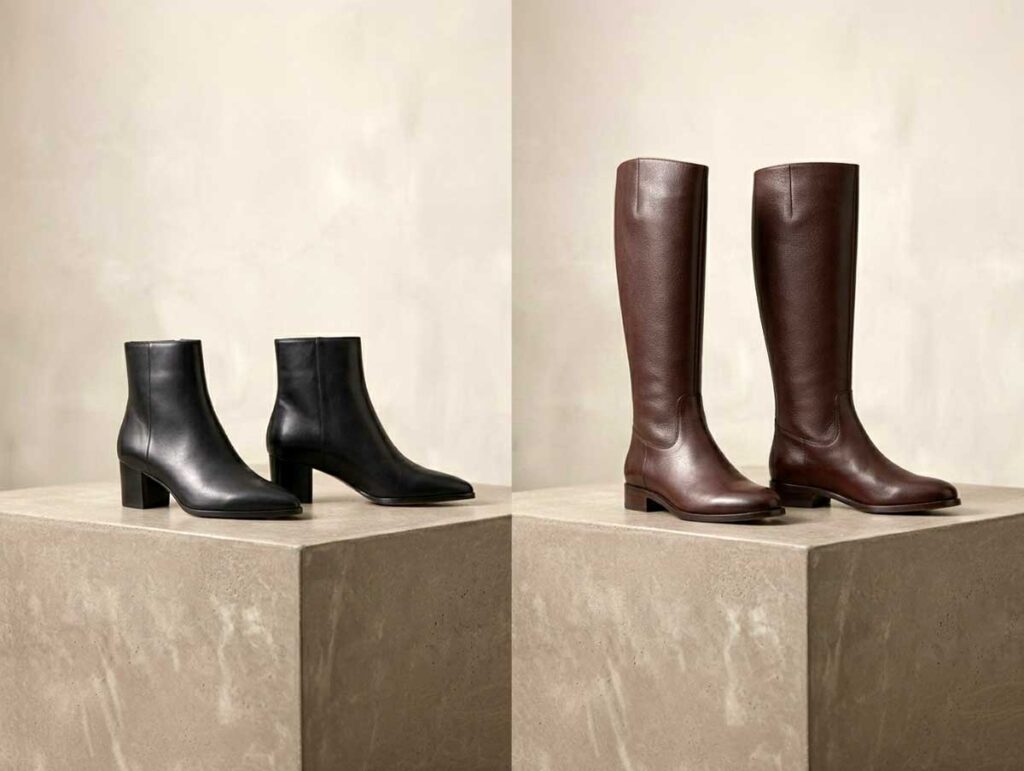
These terms are often used interchangeably. In many stores, “booties” is simply a softer, more fashion-forward label for ankle boots.
In real life, I treat them as near-synonyms unless a retailer makes a very specific distinction.
Slingbacks vs. Pumps
A pump has a closed back. A slingback has a strap around the back of the heel.
That single shift can make the shoe feel less formal and more breathable.
How to Use This Shoe Styles Glossary While Shopping
This is where the glossary stops being nice-to-know and starts saving you trouble.
Use the Right Search Terms
If you know you want a mule, do not search “cute work shoes” and then wonder why the results feel chaotic. Search the actual style name.
The more precise your language, the better your filters become.
Check the Construction, Not Just the Mood
Retailers love mood words. Sleek. Elevated. Sculptural. Effortless. Fine. Cute. None of that tells you what the shoe actually is.
Look for the facts:
- heel type
- toe shape
- back coverage
- closure
- sole shape
That tells you more than the copy ever will.
If you are actively buying, read our guide to shopping for shoes online so you can spot better options and avoid the usual product-page traps.
Learn the Few Differences That Matter Most
You do not need to memorize fifty shoe terms in one sitting. Start with the styles that affect shopping decisions most often:
- loafers
- pumps
- mules
- slingbacks
- ankle boots
- wedges
- sneakers
Once those are clear, everything else gets easier.
Match the Style to the Life You Actually Live
A shoe can be gorgeous and still make no sense for your routine.
I’ve noticed people often shop for a fantasy version of their week. Then the shoes arrive, and suddenly the heel is too high, the leather is too stiff, or the shape does not work with the clothes they actually wear.
Knowing the style name helps. Knowing yourself helps more.
And if you want less guesswork across the board, explore Blufashion’s fit tools and size calculators before you buy.
The Shoe Styles Worth Knowing First
If you only want the essential list, start here.
Everyday Essentials
- sneakers
- loafers
- ballet flats
- ankle boots
- sandals
Dressier Staples
- pumps
- slingbacks
- block heels
- kitten heels
- knee-high boots
Trend-Savvy Additions
- mules
- wedges
- chunky loafers
- platform sandals
- modern Oxfords
You do not need every shoe style. You need the ones that earn their place in your closet.
That is the difference between a wardrobe and a pile of expensive optimism.
FAQ
What is the difference between shoe styles and shoe types?
People often use these terms the same way. In practice, shoe styles usually refers to the visual silhouette or design category, while shoe types can be a broader label that includes function, form, or occasion.
Are pumps and heels the same thing?
Not exactly. Pumps are a specific kind of shoe. Heels are a broader category that includes pumps, slingbacks, heeled sandals, heeled boots, and more.
Is a mule a sandal?
Sometimes, but not always. A mule is defined mainly by being backless. Some mules are closed-toe and feel more like dress shoes, while some overlap with sandal territory.
What shoe styles are best for building a versatile wardrobe?
For most people, the most versatile shoe styles are sneakers, loafers, ankle boots, simple sandals, and one reliable dressier heel or flat. The right mix depends on your climate, routine, and personal style.
Why do shoe names vary between brands?
Because fashion enjoys a little drama. More practically, brands often stretch category names for marketing, trend positioning, or search visibility. That is why understanding the core features matters more than trusting every product label blindly.
Keep Going
Need outfit help next? Read What to Wear with Leggings: The Best Shoes and Boots.
Still deciding what to shop for? Browse Shoes, Boots, Sandals & Heels.
Shopping for accessories too? Try our Ring Size Finder to measure at home and convert sizes fast.
Building an outfit beyond shoes? Our Necklace Length Visualizer helps you choose the right chain length without guessing.
Want the same no-guesswork approach for fit? Try our Bra Size Calculator and sister-size guide.
Final Take
A good shoe styles glossary does more than define terms. It gives you better eyes.
Once you know the difference between a pump and a stiletto, a mule and a slide, a loafer and a moccasin, the whole shopping experience changes. You browse smarter. You style faster. You stop feeling like fashion is speaking a private language just to keep you outside the door.
That is really the point here. Not perfection. Not shoe trivia. Just clarity.
Because sometimes the most stylish thing in the room is not the shoe. It is knowing exactly what you are looking at.
- About the Author
- Latest Posts

I’m Iskra Banović, editor of Blufashion and the voice behind its fashion, beauty, and lifestyle stories. Fashion, beauty, and lifestyle are my playground, but I’m just as likely to share the messy side of it all, like the time I tested a “must-have” skincare gadget and ended up with glitter stuck in my hair. I love turning trends and everyday finds into something useful (and fun) for real people.