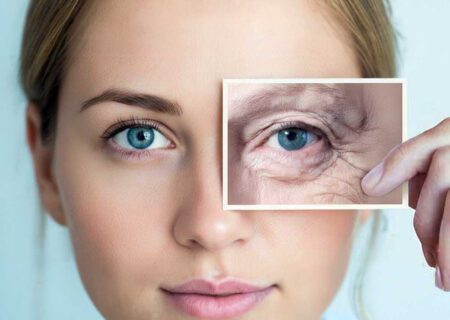
When you prioritize getting your beauty sleep, waking up to dry, flaky skin can get you down. Dry skin can look dull and feel sensitive and uncomfortable. If your skin’s lipid levels drop, your cells can lose moisture more easily. Winter’s colder temperatures and less-humid air, plus a range of other factors, can compromise your skin’s natural protective barrier, which can keep it from locking in the moisture your skin needs. Fortunately, adopting a few nighttime self-care strategies can help your skin feel smoother and more hydrated in the mornings.
1. Cleanse Without Drying Out Your Skin
If you want your skin to look more supple and radiant during the day, you need to keep it hydrated at night. It may be tempting to skip washing your face before bed, but cleansing is key to keeping your skin balanced. To avoid stripping away moisture, try using a soothing, hydrating facial cleanser with a creamy texture that removes makeup and impurities, leaving your skin feeling soft and supple. Ingredients like hyaluronic acid, vitamin C, and antioxidants will help keep your skin dewy and nourished while you sleep.
To help your skin’s natural oils stay put, wash your face with cool to lukewarm water; hot water can be too harsh. After cleansing, pat your skin with a soft, clean towel, but leave it damp enough for your skincare to penetrate. If you use toners or serums in addition to moisturizer, layer your products from thinnest to thickest.
2. Use Nourishing Moisturizers
Moisturizing your skin helps keep it healthy and resilient, but did you know that this skincare step is especially important at night? During the wee hours, your skin becomes more permeable as its temperature rises, which makes it susceptible to water loss. Using an intense face moisturizer will deeply hydrate your skin so it’s less likely to become dry and flaky overnight. Applying a formula with vitamin C, peptides, and hyaluronic acid to damp skin can help the ingredients penetrate. It will also seal in moisture and promote smoother-feeling skin with consistent use.
3. Exfoliate Gently
Though it might seem that exfoliation would make dry, flaky skin worse, it can actually support skin hydration if you do it correctly. Gently sloughing off your dead skin cells can help your moisturizer absorb more deeply and give you a plumper, smoother complexion. Using a mild chemical glycolic acid or lactic acid exfoliator about once a week can help your skin retain moisture and defend against dryness; just don’t overdo it. Avoid abrasive scrubs; they can be harsh and make dryness and flakiness worse.
4. Get Your Beauty Sleep
Sleeping restfully for seven to eight hours a night consistently can rejuvenate skin and help defend against dryness. During this time, your cortisol levels drop, and your skin cells work to reverse any damage caused by UV exposure, pollution, and stress. Increased blood flow also brings oxygen and nutrients to the skin to support this regenerative process.
Conversely, a lack of sleep hinders the skin’s ability to repair itself, leading to skin barrier damage and dryness. A 2017 study in the Journal of Cosmetics, Dermatological Sciences and Applications found that sleep deprivation compromised the skin’s barrier function and increased transepidermal water loss in the cheek and eye areas. Missing out on sleep may leave skin more susceptible to dryness.

5. Sleep on a Soft, Natural-Fiber Pillowcase
When you’re ready to tuck in for the night, be sure that the fabrics you sleep on won’t irritate your skin. Soft, breathable, natural materials like cotton and silk may feel less abrasive than polyester blends. If your complexion is prone to dryness, flakiness, or sensitivity, sleeping on a silk pillowcase can help your skin stay calm. The fabric’s smooth surface lessens friction on your skin, defending against reactivity that can make your skin issues worse.
6. Use a Humidifier in Your Bedroom
Indoor heaters can dry out your skin, but a humidifier can help it stay balanced. Humidifiers release moisture into the air to help restore ambient moisture levels. By doing so, they help your skin defend itself against dryness and help it stay hydrated.
Investing in a small humidifier for your room or a mini bedside unit that emits a cool mist is the safest way to keep the air moist. Warm mist humidifiers can burn your skin if you get too close, and in general, you should avoid putting your face next to the machine. Sleeping at least 3 feet away from the mist will provide the greatest benefit to your skin.
7. Stay Hydrated
While guzzling liters of water won’t directly keep your skin from becoming dry and flaky, avoiding dehydration can help reduce the impact of transdermal water loss overnight. A 2024 study published in the Annals of Dermatology found that women who drink an adequate amount of water and apply moisturizer to their skin help improve its barrier function.
Limiting your alcohol intake and sipping water from a glass on your nightstand can help your skin stay hydrated from within. Adding foods rich in beneficial fatty acids, vitamins, and minerals like avocados and salmon will also promote a healthy lipid balance and help your skin retain moisture.

A Hydrating Nighttime Skincare Routine Will Help Your Skin Stay Lovely
While keeping dry, flaky skin at bay may feel like a challenge, a great nighttime skincare routine can help keep your complexion dewy. Staying hydrated and incorporating the right products, tools, and habits into your bedtime ritual can help you enjoy beautiful, refreshed skin every morning.
- About the Author
- Latest Posts

I’m Iskra Banović, editor of Blufashion and the voice behind its fashion, beauty, and lifestyle stories. Fashion, beauty, and lifestyle are my playground, but I’m just as likely to share the messy side of it all, like the time I tested a “must-have” skincare gadget and ended up with glitter stuck in my hair. I love turning trends and everyday finds into something useful (and fun) for real people.