Key Takeaways
- Personalized plastic surgery leverages cutting-edge technologies, such as 3D imaging and AI-driven modeling, to create procedures tailored to each individual’s anatomy and aspirations.
- Patients are increasingly seeking natural-looking outcomes that harmonize with their inherent features, rather than radically altering their appearance in ways that may look inauthentic or generic.
- Technological innovations have not only improved surgical precision and safety but also empowered patients by involving them directly in decision-making and allowing them to visualize potential outcomes before surgery.
In recent years, the field of plastic surgery has experienced a profound and notable shift towards personalization, dramatically increasing patient satisfaction across the board. This transformation is not only shaped by impressive technological advancements but also by the development of individualized treatment plans and a strong commitment to creating natural, authentic results that honor each patient’s unique characteristics. As more patients express a desire for procedures tailored to their needs, the pursuit of personalized outcomes continues to guide modern aesthetic medicine.
The Rise of Personalized Treatment Plans
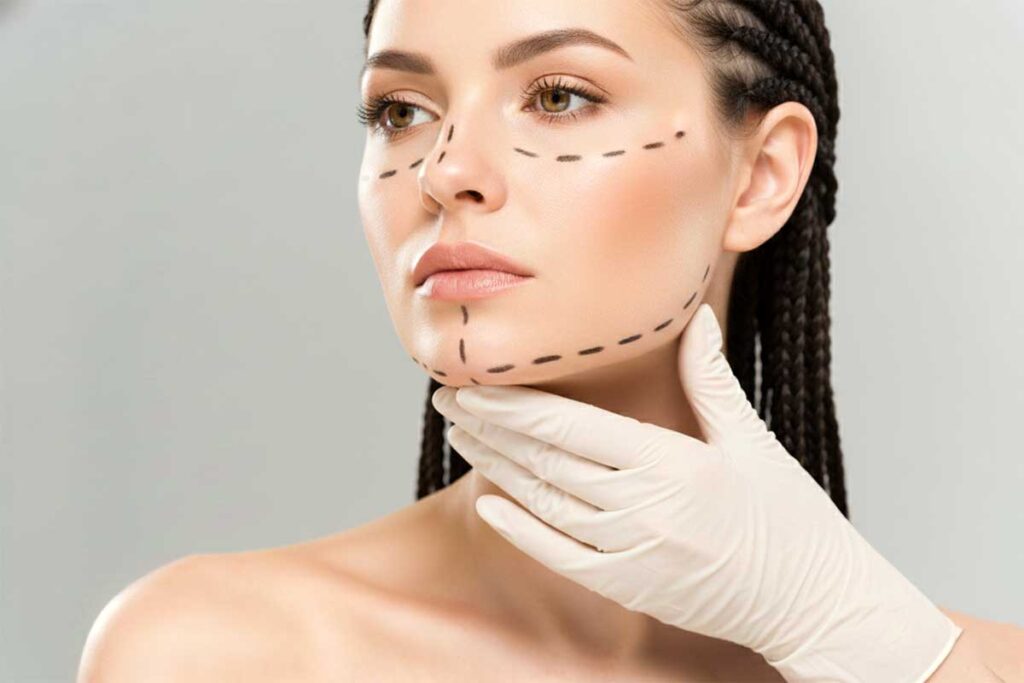
Traditionally, plastic surgery often followed a more formulaic, one-size-fits-all methodology, potentially overlooking the subtle distinctions that make each person unique. In today’s landscape, however, there is a pronounced emphasis on creating highly customized treatment plans that take into account each patient’s unique anatomy, personal goals, and even their daily lifestyle habits. This patient-centered approach means surgeons can address a wide range of aesthetic goals while maintaining the individualized touches that lead to higher overall satisfaction. By listening carefully to patient input, reviewing extensive consultation data, and using advanced planning techniques, surgeons now ensure outcomes that are both aesthetically pleasing and specifically aligned with patient expectations, particularly in practices offering plastic surgery in Columbus, Ohio. With this level of personalization, patients often experience not only improved appearance but also greater confidence and comfort throughout the entire process.
Technological Advancements Enhancing Personalization
Modern technologies have significantly transformed the plastic surgery process, enhancing every phase from initial consultation to surgical execution. Surgeons now use advanced tools that improve safety, predictability, and the customization of procedures. Notably, 3D Imaging Systems such as VECTRA and Crisalix allow patients to interactively visualize potential results on their own bodies. This technology fosters informed decision-making and encourages collaboration between patients and surgeons to refine visual models, thus reducing uncertainties and enhancing trust. Additionally, Artificial Intelligence (AI) leverages extensive datasets of surgical outcomes to offer personalized recommendations and identify techniques that are likely to yield the desired results. AI simulations further predict post-operative outcomes based on individual factors such as skin elasticity and bone structure, ensuring precision and personalization throughout the surgical journey.
Empowering Patients Through Social Media
Social media platforms have emerged as powerful resources for individuals considering plastic surgery, serving as interactive spaces where patients can research procedures, review testimonials, and engage with surgeons directly. Platforms like Instagram, TikTok, and specialized forums grant potential patients behind-the-scenes access to real-life results, offering before-and-after galleries and honest accounts of the surgical journey. This transparency helps individuals set realistic expectations and make informed choices that are aligned with their values and aesthetic preferences. Studies in plastic and reconstructive surgery have established that regular social media use is associated with higher scores for patient empowerment, reflecting increased confidence, knowledge, and autonomy in making surgical decisions.
Emphasis on Natural-Looking Results
Public demand has shifted sharply towards more natural-looking enhancements, with individuals now prioritizing results that preserve their distinct features and avoid the appearance of having had “work done.” Techniques such as preservation rhinoplasty have become increasingly popular for their ability to maintain and enhance inherent nasal structures, resulting in harmonious, balanced changes rather than dramatic alterations. This minimally invasive, tissue-conserving approach not only helps shorten recovery times but also allows patients to feel like the best version of themselves rather than an entirely different person. Surgeons are continually developing innovative methods and refined skills to meet the growing demand for authenticity and subtlety in cosmetic procedures.
Personalization in Body Contouring
Body contouring is another area that has seen substantial advancements in personalization. Traditional procedures often produced uniform results, but today, techniques are meticulously tailored to the patient’s specific anatomy, goals, and body type. High-definition liposuction, for instance, involves the precise sculpting of tissue to highlight muscular definition or smooth specific contours based on how the patient naturally carries fat. Similarly, non-invasive options such as CoolSculpting ELITE now offer customized fat reduction, targeting virtually any part of the body, allowing patients to enhance their natural shape without surgery. These innovations underscore a broader industry-wide movement in which every aspect of planning and execution is centered on the unique needs and ambitions of the individual.
Virtual Consultations and Accessibility
The adoption of virtual consultations has greatly expanded patients’ access to plastic surgery services, removing many traditional barriers, such as geographic location, scheduling, and mobility limitations. With the rise of secure telemedicine platforms, patients can now discuss their goals, concerns, and procedure options with expert surgeons from the comfort of their own homes. This approach not only enhances convenience and privacy but also gives prospective patients the flexibility to consult multiple specialists before making a final decision. These remote consultations have proven to be just as effective as in-person meetings, with practices reporting high conversion rates and strong patient satisfaction. Virtual care continues to help bridge the accessibility gap, ensuring that safer, more personalized plastic surgery is available to a broader and more diverse population.
Conclusion
The ongoing shift towards personalized plastic surgery, driven by remarkable technological advancements and a widespread preference for natural-looking results, has tangibly improved overall patient satisfaction. Practices like Donaldson Plastic Surgery, a highly regarded clinic specializing in functional medicine and plastic surgery in Columbus, Ohio, exemplify this movement by offering comprehensive, patient-focused procedures tailored to meet distinctive needs. As plastic surgery continues to evolve, it is clear that the emphasis on personalization will persist, redefining both the patient experience and the standards for surgical success in this rapidly advancing field.
- About the Author
- Latest Posts

I’m Iskra Banović, editor of Blufashion and the voice behind its fashion, beauty, and lifestyle stories. Fashion, beauty, and lifestyle are my playground, but I’m just as likely to share the messy side of it all, like the time I tested a “must-have” skincare gadget and ended up with glitter stuck in my hair. I love turning trends and everyday finds into something useful (and fun) for real people.