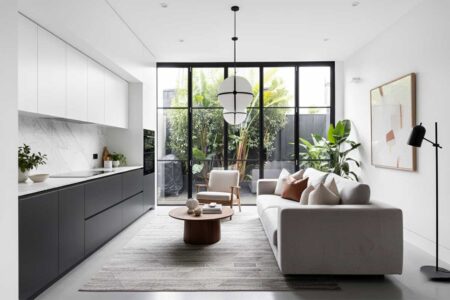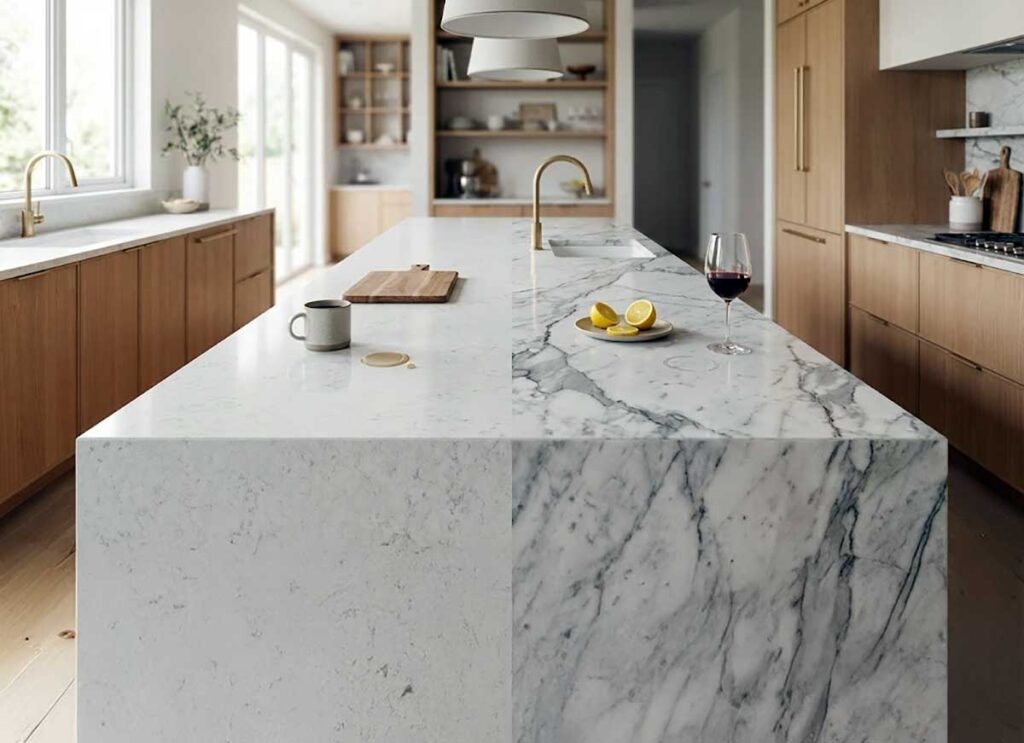
Choosing the right surface material is one of the most important design decisions a homeowner can make. Worktops, islands, splashbacks, and feature surfaces all shape the overall aesthetic and performance of a space. Among the most popular options are quartz and marble. Both offer elegance and visual impact, yet they differ significantly in composition, maintenance, durability, and long-term value.
For design-conscious homeowners, the choice is rarely just about appearance. It is about lifestyle, practicality, and how the material complements the wider vision of the home. Below, we explore quartz and marble in two focused sections to help you make a confident, informed decision.
Quartz: Precision, Performance, and Contemporary Style
Quartz has become a leading choice in modern homes for good reason. Engineered from natural quartz crystals combined with resins and pigments, it delivers the beauty of stone with enhanced durability and consistency.
- A Consistent, Controlled Aesthetic
One of quartz’s strongest advantages is visual uniformity. Because it is engineered, colors and patterns are more predictable than natural stone. This makes it ideal for homeowners who want a clean, cohesive design, particularly in minimalist or contemporary interiors.
From crisp whites and soft greys to dramatic veining inspired by marble, quartz offers a wide design palette. Whether you are creating a bold kitchen island or subtle bathroom surfaces, quartz can be selected to complement cabinetry, flooring, and lighting schemes with precision.
For those seeking high-quality surfaces tailored to their space, options such as quartz worktops Bristol provide both aesthetic flexibility and technical performance suited to modern homes.
- Durability and Low Maintenance
Quartz is non-porous, which means it resists staining from common household items such as coffee, wine, and cooking oils. Unlike natural stone, it does not require sealing. This makes it particularly appealing for busy households where practicality matters as much as appearance.
It is also highly resistant to scratches and chips under normal use. While no surface is indestructible, quartz offers strong day-to-day resilience, making it well-suited to high-traffic kitchens and family environments.
- Hygienic and Easy to Care For
Because quartz is non-porous, it does not harbor bacteria or absorb liquids. Cleaning is straightforward and typically requires nothing more than mild soap and water. For homeowners prioritizing hygiene, especially in food preparation areas, this can be a significant benefit.
- Modern Appeal and Design Versatility
Quartz aligns well with contemporary design trends. It pairs seamlessly with handleless cabinetry, integrated appliances, and sleek lighting schemes. It can also be fabricated into thin profiles or waterfall edges for a striking architectural look.
For homeowners seeking a surface that balances style, reliability, and minimal upkeep, quartz often represents a practical yet design-forward choice.
Marble: Timeless Elegance and Natural Character
Marble has been admired for centuries. From classical architecture to luxury interiors, it carries a sense of heritage and craftsmanship that few materials can replicate. For many design-conscious homeowners, marble offers an emotional and aesthetic appeal that goes beyond practicality.
- Unique Natural Beauty
Unlike engineered materials, marble is entirely natural. Each slab is unique, with distinctive veining, tonal variations, and organic movement. This individuality is part of its charm. No two installations are ever identical.
Marble works beautifully in traditional kitchens, period properties, and statement bathrooms. It also contrasts elegantly with modern elements, creating a layered, high-end look when paired with contemporary fittings.
- Softness and Patina
Marble is softer and more porous than quartz. While this means it requires more care, some homeowners appreciate the way it develops a natural patina over time. Light etching and subtle marks can become part of the character of the space, especially in properties aiming for a lived-in, authentic aesthetic.
However, this softness also means marble is more susceptible to staining, scratching, and damage from acidic substances such as lemon juice or vinegar. Regular sealing is essential to maintain its appearance.
- Luxury Perception and Value
Marble carries strong associations with luxury and craftsmanship. In certain property markets, marble surfaces can enhance perceived value and prestige. For homeowners renovating high-end properties, this can be a key consideration.
Its cool surface temperature also makes it particularly popular in bathrooms and baking areas, where thermal properties can be beneficial.
- Maintenance Considerations
Marble demands a higher level of care than quartz. Spills should be wiped promptly, and specialist cleaning products may be recommended. For homeowners who are meticulous about maintenance and appreciate natural materials, this may not be a drawback. For others, it may feel like an ongoing responsibility.
Making the Right Choice for Your Home
The decision between quartz and marble ultimately comes down to priorities.
If you value low maintenance, durability, and a consistent finish that complements modern interiors, quartz offers a highly practical solution. If you are drawn to natural beauty, unique veining, and timeless character, marble provides an unmatched sense of authenticity and heritage.
Design-conscious homeowners often begin by considering how the space will be used. Is the kitchen a high-traffic family hub, or a statement entertaining area? Is the bathroom designed for daily functionality, or spa-like indulgence? Matching material choice to lifestyle ensures the final result is both beautiful and functional.
Both quartz and marble can create exceptional interiors when selected thoughtfully. By understanding their differences and strengths, you can choose a surface that aligns with your design vision and enhances your home for years to come.
- About the Author
- Latest Posts

I’m Iskra Banović, editor of Blufashion and the voice behind its fashion, beauty, and lifestyle stories. Fashion, beauty, and lifestyle are my playground, but I’m just as likely to share the messy side of it all, like the time I tested a “must-have” skincare gadget and ended up with glitter stuck in my hair. I love turning trends and everyday finds into something useful (and fun) for real people.