




Rose gold polishing sounds simple at first, but I learned the hard way that a few small mistakes can leave permanent damage on pieces you actually care about.
I remember trying to clean a rose gold bracelet before a wedding, thinking a quick buff would make it shine like new.
Instead, I ended up dulling the finish and creating faint scratches that caught the light in all the wrong ways.
That experience changed how I approach jewelry care completely.
If you own rose gold jewelry, understanding what not to do matters just as much as knowing the right technique.
Why Rose Gold Needs Special Care
Rose gold isn’t just gold.
It’s an alloy made by mixing gold with copper, which gives it that warm, pinkish tone.
That copper content makes it slightly more sensitive compared to yellow or white gold.
Over time, exposure to air, sweat, and chemicals can change its appearance.
I’ve noticed that pieces I wear daily tend to lose their shine faster, especially rings and bracelets.
That’s because friction and oils from the skin slowly wear down the surface.
This is why proper maintenance is essential if you want to preserve both the color and finish, especially when it comes to rose gold polishing.
Mistake #1: Using Harsh Cleaning Agents
One of the biggest mistakes people make is reaching for strong household cleaners.
I’ve seen people use toothpaste, baking soda, or even bleach, thinking it will restore shine.
The truth is, these substances can strip the surface and create micro-abrasions.
I once tried a DIY mix I found online, and within minutes, the bracelet looked cloudy instead of glossy.
Mild soap and warm water work far better than anything abrasive.
Gentle cleaning protects the alloy instead of breaking it down.
Mistake #2: Over-Polishing the Surface
Polishing too often can actually wear down the metal.
This is something I didn’t realize until I noticed my favorite ring losing its thickness over time.
Every polish removes a tiny layer of material.
Doing it excessively can reduce detail, especially on intricate designs.
Instead of frequent polishing, focus on proper cleaning and occasional professional maintenance.
Mistake #3: Using the Wrong Cloth
Not all clothes are created equal.
I used a regular towel once, thinking it was harmless, but it left fine scratches across the surface.
Rough fabrics can damage the finish without you even noticing at first.
A soft microfiber or jewelry-specific cloth is always the safer choice.
These materials are designed to lift dirt without scratching the metal.
It’s a small change, but it makes a big difference in the long run.
Mistake #4: Ignoring Daily Wear Damage
Jewelry isn’t just exposed to air.
It goes through daily wear and tear that slowly affects its appearance.
I realized this when my bracelet started looking dull, even though I cleaned it regularly.
The issue wasn’t dirt.
It was tiny scratches from everyday activities like typing, lifting, and even resting my wrist on surfaces.
Taking off your jewelry during rough activities helps preserve its finish.
It sounds simple, but most people forget to do it.
Mistake #5: Skipping Professional Maintenance
There’s a limit to what you can do at home.
I used to think DIY care was enough until I compared my pieces after a professional touch-up.
The difference was obvious.
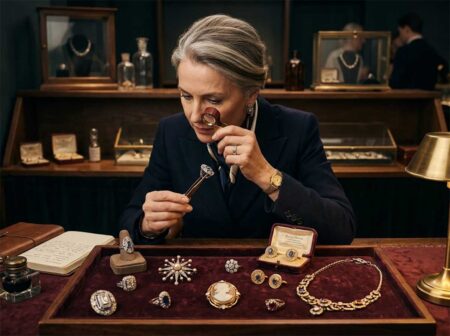
Professionals use specialized tools and controlled techniques that restore shine without damaging the metal.
They also check for structural issues like loose stones or worn prongs.
Scheduling occasional professional care can extend the life of your jewelry significantly.
Mistake #6: Storing Jewelry Incorrectly
Storage plays a bigger role than most people think.
I once tossed multiple pieces into a single drawer, and they ended up scratching each other.
Metal-on-metal contact can cause damage even when you’re not wearing the jewelry.
Separate compartments or soft pouches help prevent this.
Keeping pieces away from moisture also reduces the risk of tarnish.
A little organization goes a long way in maintaining that original shine.
How to Clean Rose Gold the Right Way
After making all these mistakes, I finally settled on a routine that actually works.
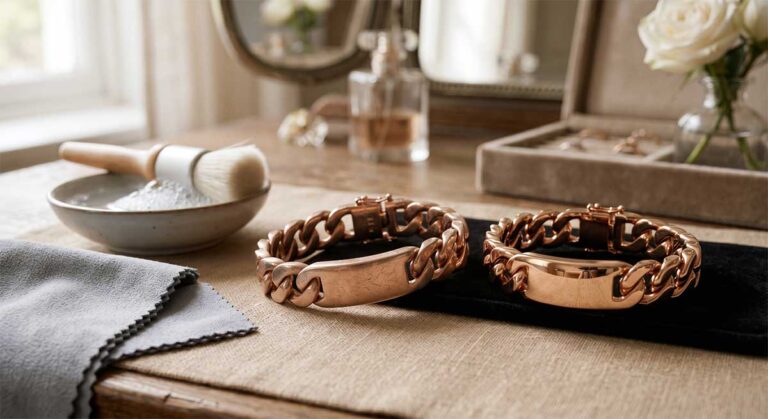
Start with lukewarm water and a few drops of mild soap.
Let the jewelry soak for a few minutes to loosen dirt.
Use a soft brush to gently clean hard-to-reach areas.
Rinse thoroughly and pat dry with a microfiber cloth.
Avoid rubbing aggressively, as that can create scratches.
This simple method keeps the metal clean without damaging its surface.
When to Replate or Restore
Sometimes cleaning and polishing aren’t enough.
If the color starts to fade or the surface looks uneven, it may need replating.
I had a necklace that lost its warmth over time, and no amount of cleaning could fix it.
After professional restoration, it looked almost brand new again.
Replating restores the original tone and gives the piece a fresh finish.
It’s worth considering if your jewelry has sentimental value.
Final Thoughts on Keeping Your Jewelry Safe
Caring for rose gold jewelry isn’t complicated, but it does require attention to detail.
Most damage happens from small habits that seem harmless at the time.
I learned that rushing the process or using shortcuts often leads to regret later.
Taking a careful, gentle approach keeps your pieces looking beautiful for years.
If you treat your jewelry well, it will continue to reflect those moments you bought it for in the first place.
And honestly, that’s what makes it worth the effort.