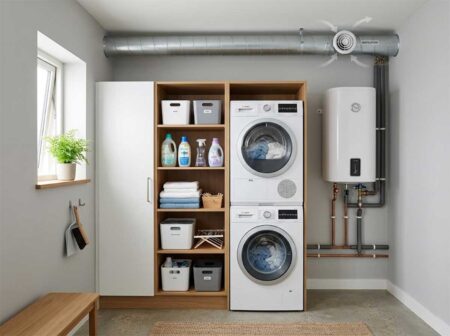
Heavy household items, such as furniture and appliances, require extra care during a move because of their weight, structural complexity, and susceptibility to damage. Unlike smaller belongings, these objects can cause injury, property damage, or mechanical failure if not handled or packed correctly. Their size and mass also make them more difficult to maneuver, which increases the risk of accidents when lifting, loading, and transporting them.
- One key reason for special attention is the potential for physical injury. Improperly secured heavy items can shift unexpectedly, causing strain injuries or accidents for those handling them. Furniture with sharp edges or unstable components can also pose a hazard if it is not adequately protected. Additionally, heavy appliances, such as refrigerators, washing machines, and ovens, contain internal systems that can be damaged by sudden movement or impact.
- Another important factor is structural vulnerability. Many large furniture items are made from engineered wood, composite materials, or joined components that are not designed to withstand repeated stress during movement. Without proper preparation, joints may loosen, surfaces may crack, and legs and supports may break. Appliances contain sensitive internal mechanisms, such as compressors, motors, and wiring, that can be disrupted if the item is not stabilized during transport.
These challenges are often addressed using professional packing techniques, which can be provided by residential moving services Calgary. Professional movers use various techniques to ensure the safety of items during transportation:
Partial disassembly
Furniture, such as beds, tables, and shelving units, is broken down into smaller components to reduce weight and minimize stress on joints. Removing legs, drawers, and other detachable parts makes items easier to handle and reduces the risk of breakage during transit.
Protective wrapping
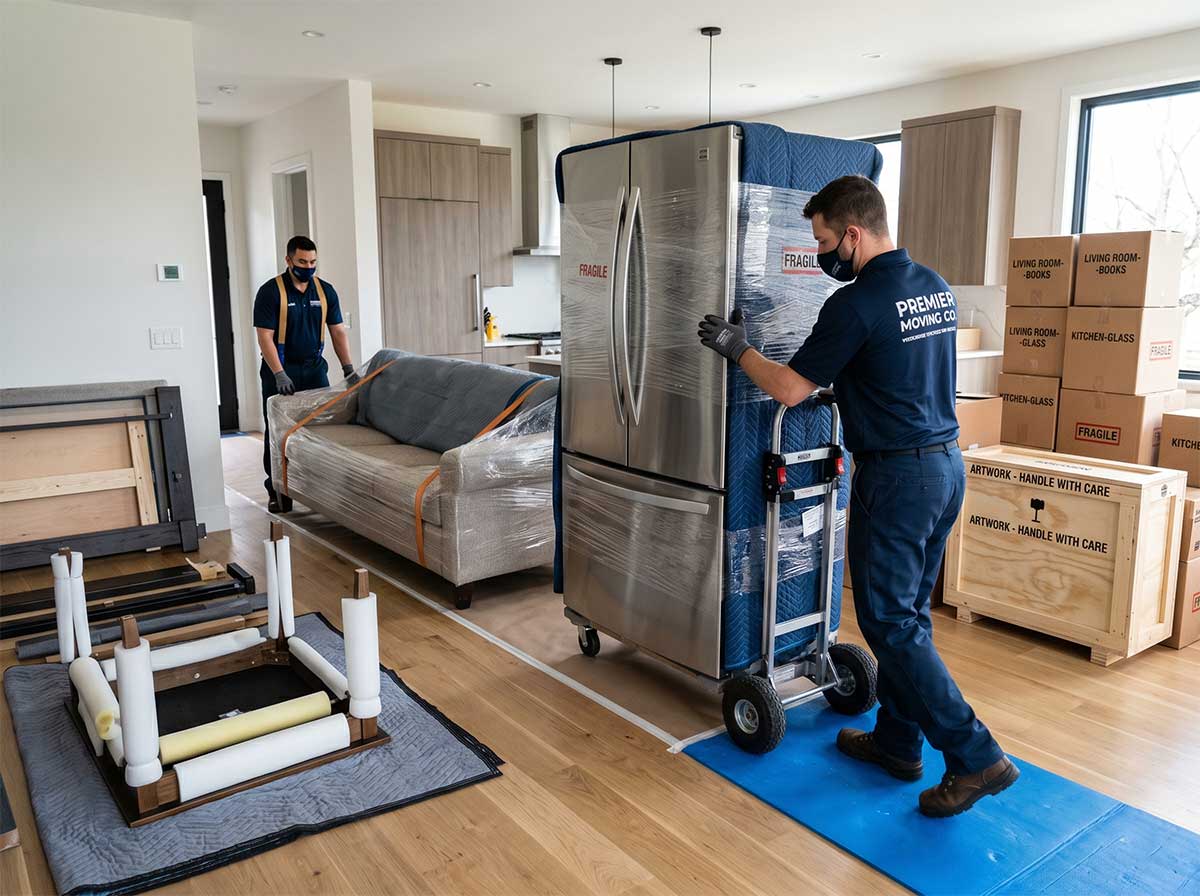
Furniture is usually covered with moving blankets, foam padding, or corrugated cardboard to absorb shocks and prevent scratches. Stretch wrap is often used to secure loose parts and keep protective materials in place. Appliances are protected with specialized padding on exterior surfaces, and internal components are secured with manufacturer-recommended transport locks or restraints.
Lifting equipment
For particularly heavy items, lifting equipment such as straps, dollies, and sliders is used. These tools distribute weight more evenly, reducing direct strain on both the item and the movers. They also enable smoother movement across floors, staircases, and loading ramps, thereby minimizing the chance of sudden drops or impacts.
Custom crates
For extremely heavy or valuable items, custom crates or reinforced boxes are sometimes used. These containers provide rigid external support and are designed to prevent shifting during transport. Proper labeling and positioning of heavy items within the moving vehicle ensures they remain stable and do not damage lighter belongings.
Of course, careful planning of the loading order is essential to ensuring a safe transportation process. Heavy items are usually placed at the bottom or against secure walls inside the vehicle to maintain balance and prevent movement while in transit.
- About the Author
- Latest Posts

I’m Iskra Banović, editor of Blufashion and the voice behind its fashion, beauty, and lifestyle stories. Fashion, beauty, and lifestyle are my playground, but I’m just as likely to share the messy side of it all, like the time I tested a “must-have” skincare gadget and ended up with glitter stuck in my hair. I love turning trends and everyday finds into something useful (and fun) for real people.