For most of our lives, we have been told that good shoes mean thick cushioning, arch support, and structured soles. Yet a growing number of people are questioning this assumption and turning to a radically different approach. Barefoot shoes strip footwear back to its essentials, aiming to let the foot move and function the way nature intended. The idea may sound counterintuitive at first, but behind it lies a coherent philosophy about how our feet are designed to work. Understanding what these shoes actually are, and what they are not, helps explain why they have moved from a niche curiosity to a genuine movement.
Rethinking what a shoe should do
The conventional shoe is built around the idea of protecting and supporting the foot. Cushioned heels absorb impact, raised arches provide support, and structured soles guide the stride. For decades, this seemed like obvious progress.
The barefoot philosophy challenges this thinking at its root. It argues that the human foot is already a marvel of engineering, with twenty-six bones, dozens of muscles, and an intricate network of tendons and ligaments. From this perspective, heavily structured shoes do not enhance the foot but rather take over its natural functions, potentially weakening it over time.
The defining features
What exactly makes a shoe “barefoot”? Several characteristics set these designs apart from conventional footwear, and understanding them clarifies the concept.
A flat profile
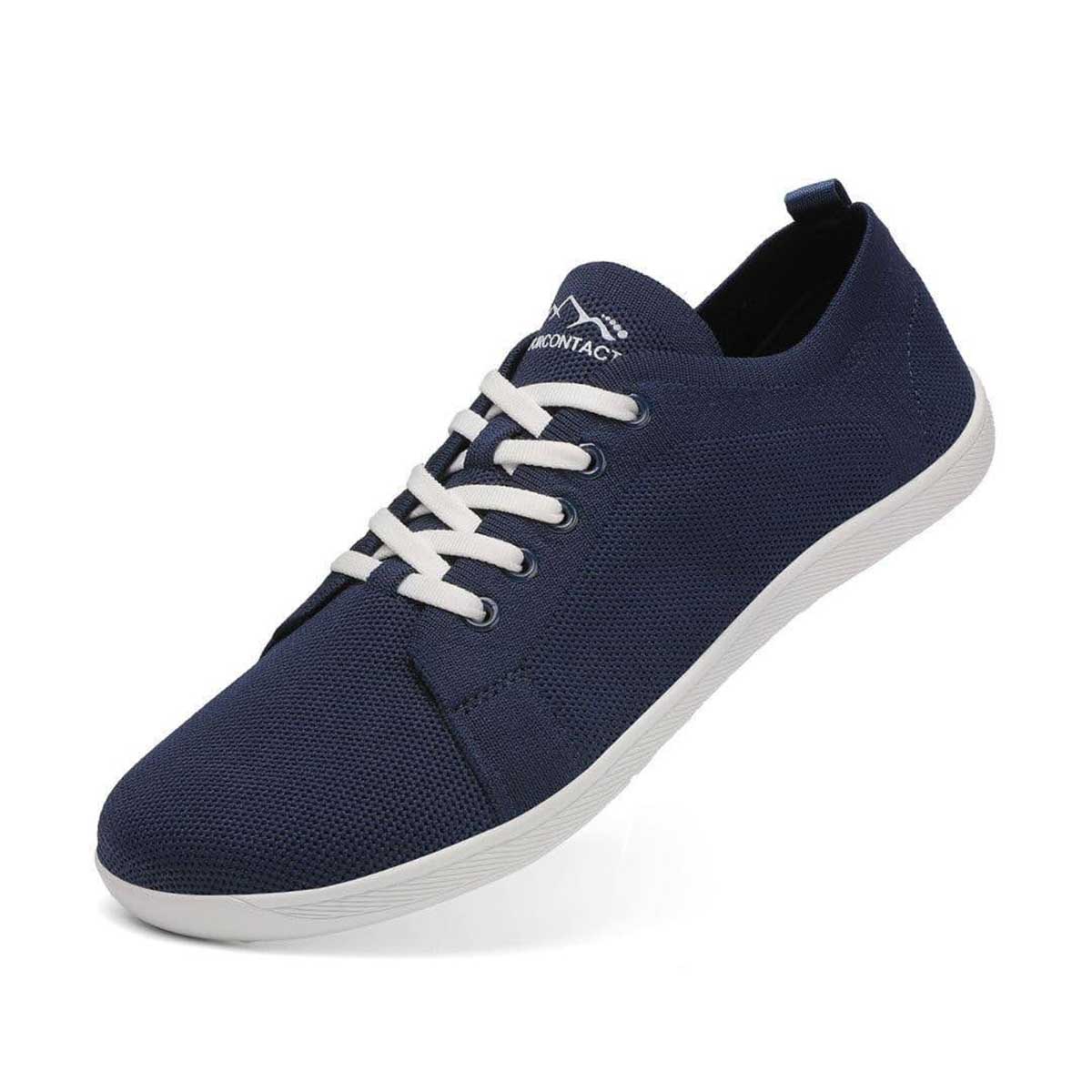
The most fundamental feature is the absence of a raised heel. Barefoot shoes have what is called a “zero drop” sole, meaning the heel and the toes sit at the same height. This keeps the body in a more natural alignment, much as it would be if you were standing on bare ground.
A thin, flexible sole
Rather than thick cushioning, barefoot shoes use a thin sole that allows the foot to feel the ground beneath it. This sensory feedback, often called ground feel, is central to the philosophy. The sole is also flexible, letting the foot bend and flex naturally with each step.
A wide toe box
Conventional shoes often taper toward the toes, squeezing them together. Barefoot designs feature a wide toe box that lets the toes spread out naturally, as they would without any shoe at all. This room for the toes is considered essential for proper foot function and balance.
The case for natural movement
Advocates of barefoot footwear argue that allowing the foot to move freely brings a range of benefits. When the foot is not constrained or artificially supported, the theory goes, its muscles must work as they were designed to.
This natural engagement may help strengthen the feet over time, improving balance and stability. Many users report a heightened sense of connection to the ground, a feeling of moving more naturally and being more aware of their body’s position. For some, this translates into a more enjoyable and conscious walking experience.
A transition that takes patience
One thing experienced barefoot wearers consistently emphasize is that the switch should not be rushed. Feet that have spent years in cushioned, supportive shoes have adapted to that environment, and certain muscles may have weakened from lack of use.
Moving to barefoot shoes too quickly can cause discomfort. The sensible approach is gradual, giving the feet time to adapt and strengthen. Starting with short periods and slowly increasing them allows the muscles and tendons to develop the resilience they need. Patience here is not just advisable, it is essential.
Who might benefit
Barefoot shoes are not a one-size-fits-all solution, but many different people find value in them. Those interested in natural movement and a more connected walking experience are often drawn to the concept. People who enjoy feeling the ground and moving freely tend to appreciate what these shoes offer.
That said, individual circumstances vary, and what works wonderfully for one person may not suit another. Anyone with specific foot conditions would be wise to consider their situation carefully before making a complete switch. The key is informed, gradual experimentation rather than blind enthusiasm.
Beyond a passing trend
What started as a fringe interest has grown into something more substantial. The barefoot movement reflects a broader desire to reconnect with natural ways of living and moving, to question assumptions that we had taken for granted.
Whether or not barefoot shoes become mainstream, they have already succeeded in prompting a wider conversation about foot health and how our choices in footwear affect our bodies. They invite us to think about something we usually ignore entirely: the simple, complex act of walking. And in doing so, they remind us that sometimes progress means looking back at how our bodies were designed to function, rather than always adding more technology and structure. For many, that rediscovery of natural movement is reason enough to give them a try.
- About the Author
- Latest Posts

I’m Iskra Banović, editor of Blufashion and the voice behind its fashion, beauty, and lifestyle stories. Fashion, beauty, and lifestyle are my playground, but I’m just as likely to share the messy side of it all, like the time I tested a “must-have” skincare gadget and ended up with glitter stuck in my hair. I love turning trends and everyday finds into something useful (and fun) for real people.