





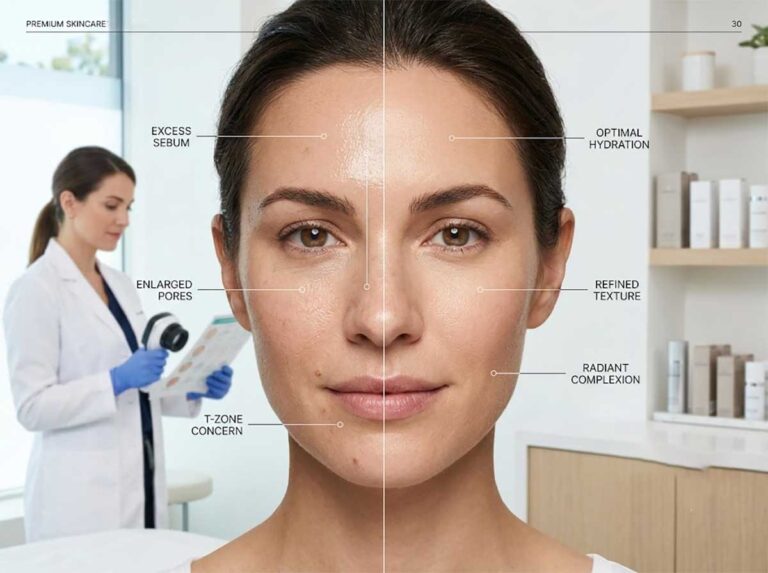
Take a quick look at social media today. You will probably see someone applying 10 different serums in one day. You might think that a better skin requires a massive budget and a bathroom cabinet that looks like a pharmacy. But, before you get lost in retail marketing its worth to look at what professionals actually use. Clinical brands like Holy Land Cosmetics develop treatment-focused formulas that target specific concerns such as acne, pigmentation and dehydration, making them a highly effective option for people looking beyond standard retail skincare. The truth is you don’t get a healthy complexion from collecting random products. It’s about knowing what your skin needs and selecting formulas that actually respect that.
Your skin is a living organ, not a chemistry experiment. When you give it what it needs it stops overreacting. Let’s break down how to approach different skin types without the marketing hype, and focusing on ingredients with real evidence behind them.
Why Understanding Your Skin Type Matters
People often buy skincare products based on what worked for a friend. If you are trying to build a reliable skincare routine, that is a recipe for disaster. What gives your friend a healthy glow might trigger a massive breakout on your face.
Your skin type dictates your lipid production, how fast your cells turn over and how vulnerable your moisture barrier is. If you use a heavy cream on oily skin, you trap dead cells and bacteria in your pores. If you use harsh foaming gels on dry skin, you strip away the exact natural fats your face desperately needs to stay intact.
Identifying your base skin type is step one. Step two is learning which active ingredients play nicely with it.
The Dry Skin Strategy: Protecting the Barrier
Dry skin feels tight, particularly after washing it. During the cold months it may flake and become very sensitive. This is because your skin produces less sebum naturally, so it’s harder for it to hold on to water.
The biggest mistake here is to use aggressive cleansers. If your face feels “squeaky clean,” you’re actively damaging your lipid barrier. You need a cream or lotion cleanser that takes away the dirt but leaves your natural oils in place.
Look for humectants and emollients to hydrate. Hyaluronic acid is great because it pulls water into the skin. But water alone evaporates. You need ingredients like ceramides to lock that moisture in. Ceramides are lipids that naturally make up over half of your skin’s outer layer. Replacing them helps rebuild the wall that keeps moisture inside and irritants out.
The Oily and Acne-Prone Playbook: Clearing the Pores
Oily skin produces excess sebum. When that oil mixes with dead skin cells, it clogs pores and creates the perfect environment for acne bacteria to thrive.
Experts from the American Academy of Dermatology often warn that the instinct for most people with oily skin is to aggressively dry it out. They scrub. They use high-strength alcohol toners. They avoid moisturizers completely. This backfires almost immediately. When you strip oily skin of all its moisture, your oil glands go into overdrive to compensate, leaving you even greasier by noon.
Instead of fighting your skin, work with it. Salicylic acid is a beta-hydroxy acid, meaning it is oil-soluble. Unlike other acids that just sit on the surface, salicylic acid can actually penetrate inside the pore to dissolve the trapped oil and dead cells.
While some people tolerate daily use perfectly well, others do better using it two or three times a week. Listen to your skin. Follow it up with a lightweight, water-based gel moisturizer. Your skin still needs hydration, just without the heavy occlusive oils.
The Combination Skin Balancing Act
Combination skin can be very frustrating. Your T-zone is oily and prone to blackheads, but your cheeks might feel like sandpaper.
Treating combination skin requires a bit of diplomacy. You have to balance sebum production without causing dry patches. Niacinamide is a well-researched ingredient that helps regulate sebum production and supports the skin barrier, and is good for many combination skin types. It also soothes redness and evens out skin tone.
You do not necessarily need two different moisturizers. A well-formulated, medium-weight lotion applied lightly on the T-zone and slightly heavier on the cheeks usually does the trick.
Why Professional Skincare Differs from Drugstore Products
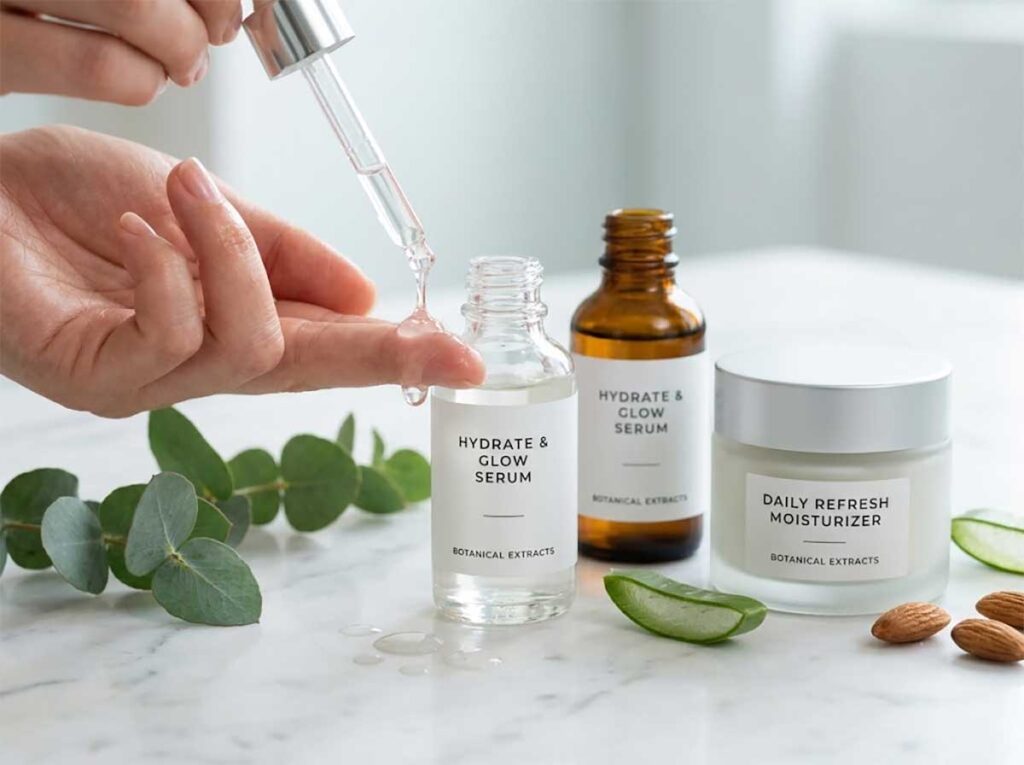
Once you’ve figured out your skin type, your next step is to choose products with clinically proven ingredients, not the claims of products for the mass market.
Drugstore products are designed for the general public. They need to sit on shelves for years and avoid causing irritation for the widest possible demographic. So they tend to keep the concentrations of active ingredients pretty low just to be on the safe side .
Clinical and professional lines are different. They are designed to be used in alongside aesthetic treatments, their delivery systems are designed to ensure the active ingredients actually penetrate the skin. You are getting higher concentrations and more stable formulas.
Answering the Big Questions: Is It Worth the Upgrade?
People stepping into the world of clinical skincare often wonder if professional brands are actually worth the investment. The short answer is yes , provided you choose the right line for your specific needs.
Take the earlier mentioned brand as an example. Founded in Israel in 1984, they built their reputation by supplying dermatologists and aestheticians directly. They formulate under strict GMP standards, meaning the quality control is closer to pharmaceutical manufacturing than typical cosmetic production .
If you are wondering which specific formulas to look for, it entirely depends on what your skin is doing right now.
For severe acne and oily skin, their ABR Complex and Double Action lines are heavily utilized in professional treatments to manage breakouts and renew the skin surface. These are not your average gentle toners . They combine alpha and beta hydroxy acids with retinol to force cellular turnover.
If your skin is dry, mature, or dehydrated, their Vitalise line relies heavily on hyaluronic acid to improve elasticity and deeply hydrate without feeling heavy . They also offer the Alpha-Beta with Retinol line, which professionals often recommend for addressing uneven texture, fine lines, and sun damage.
When to See a Professional
Skincare can do a lot, but it has limits. If you have cystic acne that leaves deep scars, or sudden severe rashes, step away from the internet. Do not buy another serum. Book an appointment with a board-certified dermatologist . Sometimes you need prescription medication to get things under control, and a good doctor will tell you exactly what to stop using.
Why Consistency Beats Everything Else
You can buy the best professional formulas in the world, but if you only use them when you remember, you are wasting your money.
The skin completely renews itself in about 28 days. And for older adults, it takes even longer.” Adding a new active ingredient like retinol or an exfoliating acid takes a while to really work so be patient and wait at least a month.
Keep the routine simple. Cleanse. Treat. Moisturize. Every morning, use a specific SPF to protect your skin daily. Pick good, science-backed products, be consistent, and let them do their thing. Your skin will love you.
- About the Author
- Latest Posts

I’m Iskra Banović, editor of Blufashion and the voice behind its fashion, beauty, and lifestyle stories. Fashion, beauty, and lifestyle are my playground, but I’m just as likely to share the messy side of it all, like the time I tested a “must-have” skincare gadget and ended up with glitter stuck in my hair. I love turning trends and everyday finds into something useful (and fun) for real people.