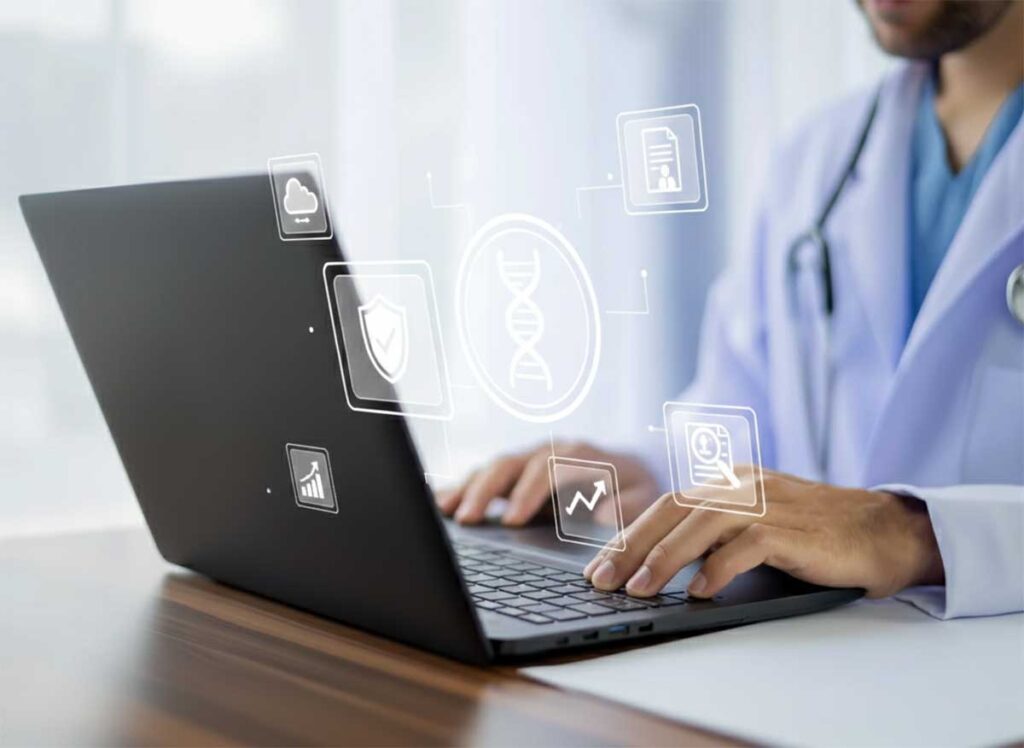
Modern healthcare systems have become increasingly reliant on digital technology to deliver better results for patients worldwide.
Digital health tools include electronic medical records, telehealth appointments, smartphone health apps and wearable devices. These elements make healthcare more efficient and easier to manage. They also help medical professionals save time, reduce paperwork and make better decisions.
Patients now have more control over their own health and treatment. Digital health technology is particularly beneficial to people in remote communities, where access to medical services can be tricky. Read on as we look at the impact telehealth has had across the world.
Telehealth has Been a Game-Changer in Australia
Telehealth is a powerful example of how technology can improve health and wellness, as it allows Australians to receive healthcare from the comfort of their homes.
Digital care has become the preferred means of receiving care for millions of people in Australia, so the market has become increasingly saturated.
However, trusted comparison website Medicompare cuts through the noise by helping people pick the best telehealth platform in Australia to suit their requirements. People can now easily access medical professionals by telephone or video appointments.
Telehealth has levelled the playing field for people living in remote and rural communities. It reduces the burden on land-based medical facilities, allowing them to focus on patients with life-threatening conditions.
Virtual care supports everyday wellbeing by providing routine check-ups and mental health support. Chronic illnesses are also easier to manage with telehealth.
Australian quadriplegic Patrick Dillon extolled the virtues of telehealth much when describing how it helps him to manage his condition.
“The technology is getting better every day,” Dillon said. “I’ve found that having direct access to my key health data makes me feel more informed. It makes me feel more independent, and I don’t have to repeat myself and go through my medical history every time I see a new doctor.”
Digital Tools Break Down Barriers to Healthcare
Digital technology breaks down barriers by making healthcare faster, safer and easier to manage for both patients and medical professionals.
Technology has made it possible for important health information and medical records to be stored securely. The previous method of saving them on paper or sharing by fax or mail caused plenty of delays and mistakes, which didn’t help patients or medical professionals.
Digital systems have now replaced that outdated process, with online medical records, electronic prescriptions and health apps making sure health information is available at a moment’s notice.
Wearable devices and apps are also making the rounds across the world, with more people keeping tabs on their fitness, diet, sleep and mindfulness.
Nearly 46 percent of the population in Australia uses technology to track their health goals. Around 80% of those users have noticed notable improvements in their health and wellbeing since using health technology, and more than half saw the uptick within a few weeks.
These tools collect information and use it to help people change their habits. The technology makes people more aware of their behaviour by showing them how active they are, how well they sleep or what patterns they follow.
That awareness encourages them to take more responsibility for their health and wellbeing.
Personalised Healthcare and Mental Health Support
Healthcare is becoming more focused on the individual rather than using the same approach for everyone, which is a massive boost.
Patients who show similar symptoms are often treated the same way. Personalised care changes this by recognising that people have different lifestyles, backgrounds, environments and health histories, all of which affect how their bodies and minds respond to treatment.
Technology plays a key role in making this possible, as it allows healthcare providers to gather and understand information in far greater detail than before.
Doctors and other medical professionals can now use digital systems to analyse data and make better decisions to prevent illness, diagnose conditions and choose the most suitable treatments.
Personalised care works better and causes fewer unwanted side effects. It makes patients feel seen and involved in their own care, making them more likely to follow advice that fits their daily lives.
Mental health is a clear example of how personalised care is having a real impact. Many people are not confident enough to see a therapist in person, but digital platforms offer private and flexible ways to get support.
Being able to access help at any time means issues can be addressed earlier, which helps to improve the wellness and mental health of a patient in the long run.
- About the Author
- Latest Posts

I’m Iskra Banović, editor of Blufashion and the voice behind its fashion, beauty, and lifestyle stories. Fashion, beauty, and lifestyle are my playground, but I’m just as likely to share the messy side of it all, like the time I tested a “must-have” skincare gadget and ended up with glitter stuck in my hair. I love turning trends and everyday finds into something useful (and fun) for real people.