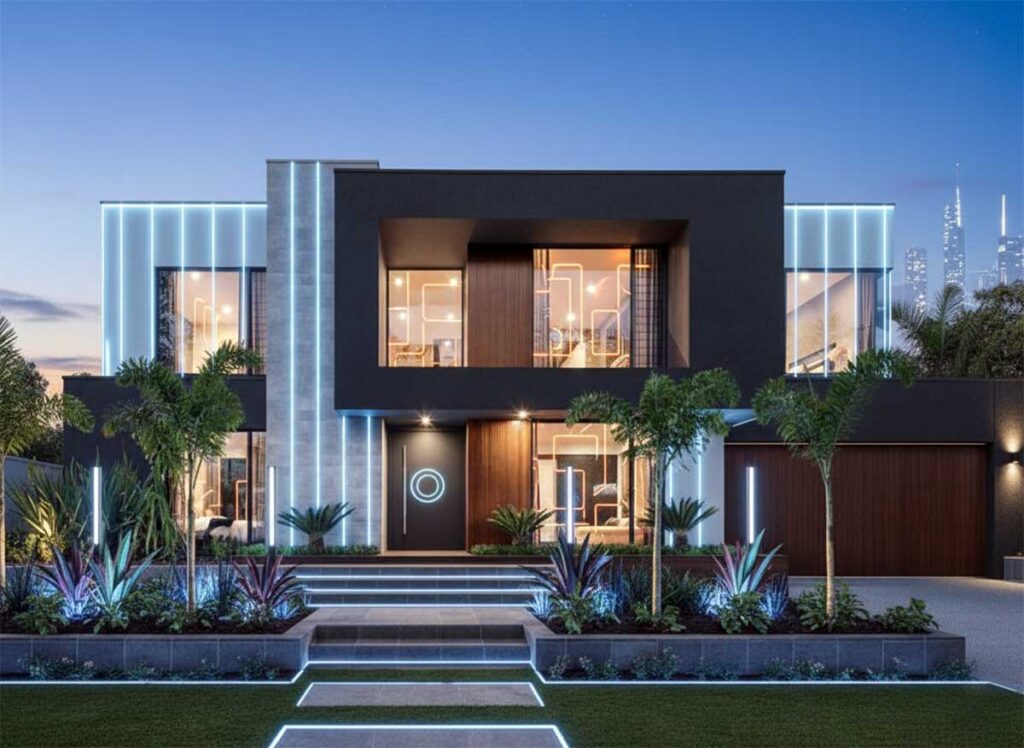
Today’s housing market looks dramatically different than it did just a decade ago. Buyers are no longer satisfied with simply finding a property in the right location at the right price. Instead, they’re seeking homes that offer thoughtful design, functional layouts, and spaces that enhance their daily lives. This evolution reflects a broader cultural shift toward intentional living and the recognition that our physical environments profoundly impact our wellbeing, productivity, and happiness.
Open Concept Living: More Than a Trend
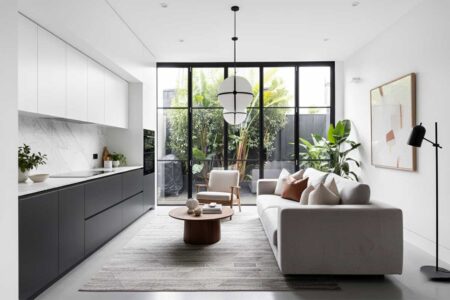
The popularity of open floor plans continues to dominate buyer preferences, and for good reason. These layouts create natural gathering spaces where families can connect while engaging in different activities. Parents can prepare dinner while helping children with homework, and hosts can entertain guests without being isolated in the kitchen. Beyond functionality, open concepts make homes feel more spacious and allow natural light to flow freely throughout the main living areas, creating an atmosphere of warmth and welcome.
The Rise of Multi-Functional Spaces
Remote work has permanently altered how we think about home design. Buyers now prioritize properties with dedicated office spaces, preferably with doors that close for privacy and concentration. But it goes beyond home offices. Modern homebuyers want spaces that can adapt to changing needs, whether that’s a spare bedroom that doubles as a gym, a basement that transforms from playroom to entertainment space, or outdoor areas designed for both relaxation and dining.
Kitchen Design as a Deal-Maker
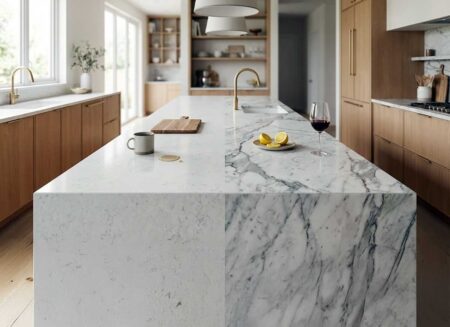
The kitchen has evolved from a purely functional space into the heart of the home. High-quality appliances, ample storage, and generous counter space are non-negotiables for many buyers. Islands have become central features, serving as prep areas, casual dining spots, and social hubs. The layout of the kitchen can make or break a sale, with poorly designed work triangles and inadequate storage driving buyers away even when other aspects of the property are appealing.
Master Suite Sanctuaries
Today’s buyers view the master bedroom as a private retreat rather than just a place to sleep. Spacious layouts that include sitting areas, walk-in closets, and spa-like bathrooms are increasingly expected in mid to high-end properties. Gurr Luxury Properties understands that luxury buyers particularly value these retreat-style master suites, where thoughtful design creates a sense of escape and personal sanctuary within the home.
Flow and Function Throughout
The way rooms connect and transition matters enormously. A home with excellent flow feels intuitive and comfortable, while poor layout decisions can make even a large property feel cramped and awkward. Hallways should serve a purpose rather than waste space, and rooms should relate to each other logically. The positioning of bathrooms, the accessibility of storage, and the placement of windows all contribute to whether a home feels well-designed or haphazard.
Outdoor Living as an Extension of Interior Space
Thoughtful design extends beyond interior walls. Buyers increasingly value outdoor living areas that feel like natural extensions of the home. Covered patios, outdoor kitchens, and seamlessly integrated landscaping can significantly boost a property’s appeal and value. The connection between indoor and outdoor spaces, facilitated by large windows, sliding doors, or French doors, creates a sense of expanded living area that resonates with modern lifestyles.
Making the Investment Worthwhile
In a competitive market, properties with superior design and layout command premium prices and sell faster. Buyers recognize that relocating walls or reconfiguring spaces requires substantial investment, making homes with already excellent layouts far more attractive. For sellers, understanding what constitutes good design can mean the difference between a property that lingers on the market and one that generates multiple offers. The bottom line is clear: design and layout aren’t superficial concerns but fundamental factors that determine both livability and long-term value.
- About the Author
- Latest Posts

I’m Iskra Banović, editor of Blufashion and the voice behind its fashion, beauty, and lifestyle stories. Fashion, beauty, and lifestyle are my playground, but I’m just as likely to share the messy side of it all, like the time I tested a “must-have” skincare gadget and ended up with glitter stuck in my hair. I love turning trends and everyday finds into something useful (and fun) for real people.