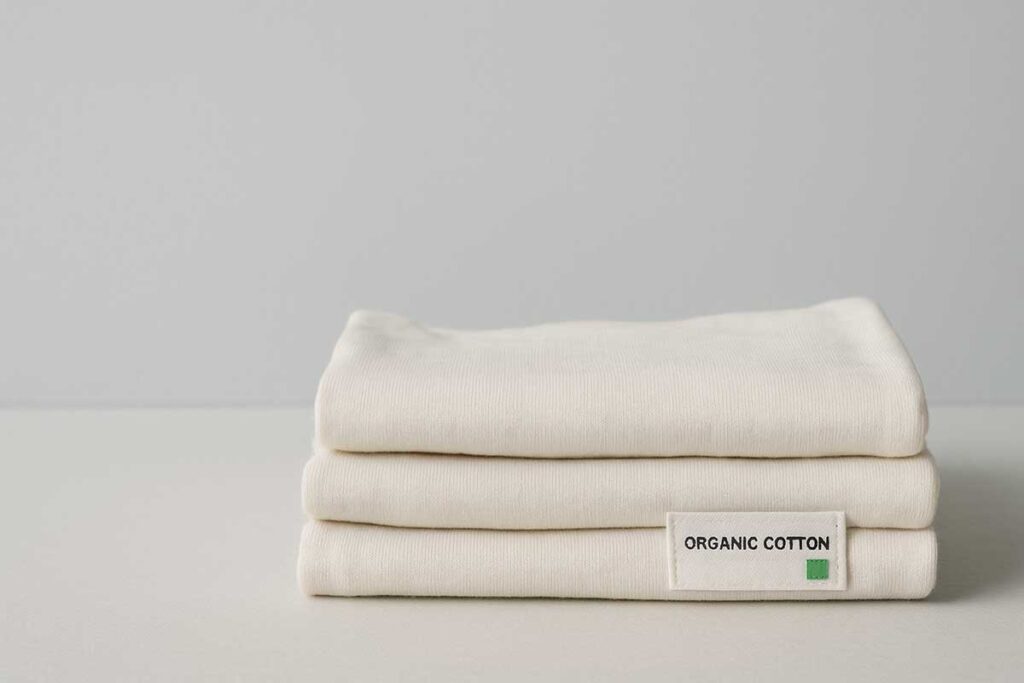
Organic cotton has transformed the fashion industry by combining comfort with sustainability. As consumers become more environmentally conscious, organic cotton offers a solution that meets both ethical and style needs. This trend reflects a shift towards eco-friendly practices in everyday wear.
In recent times, the fashion industry has embraced the use of organic cotton. Many consumers are seeking sustainable and comfortable options that align with their values. This shift is not just about fashion but also about making a positive impact on the environment. With this change, organic cotton is becoming a preferred choice for those who seek both comfort and ethical fashion solutions. Incorporating comfortable organic cotton underwear for everyday wear into your wardrobe can enhance your style while supporting eco-friendly practices.
The rise of organic cotton in fashion
Organic cotton is increasingly recognized for its role in transforming modern fashion. Unlike conventional cotton, which relies heavily on synthetic chemicals, organic cotton is cultivated without harmful pesticides and fertilizers. This method significantly reduces environmental impact, conserving water and promoting healthier ecosystems. As awareness grows about these benefits, more people are demanding clothing made from organic materials.
Incorporating organic cotton into everyday clothing choices reflects a broader movement toward sustainable living. Consumers now prioritize items that offer comfort without compromising the planet’s health. This demand has encouraged brands to explore ethical production methods, resulting in diverse collections that highlight organic cotton’s versatility. Whether it’s casual wear or business attire, the shift to organic materials aligns with a more conscious lifestyle.
Why organic cotton stands out
Organic cotton differs from its conventional counterpart through its sustainable farming practices. By eliminating toxic chemicals, it supports biodiversity and soil health, reducing pollution and improving air quality. These practices also ensure safer working conditions for farmers and contribute to fair labor standards across the supply chain.
The environmental benefits of organic cotton are complemented by its resource efficiency. It requires less water than traditional cotton farming methods, making it an ideal choice for those mindful of water conservation issues. By choosing garments made from organic cotton, you contribute to a cycle that values both human and environmental health.
Enhancing comfort and versatility with organic cotton
One of the standout features of organic cotton is its exceptional comfort. The fibers are naturally softer and gentler on the skin compared to conventional alternatives. This softness extends to a variety of clothing items, making organic cotton an ideal material for everything from T-shirts to loungewear.
Beyond comfort, organic cotton offers versatility in daily wear. Its breathable nature makes it suitable for all seasons, allowing you to stay cool in summer and warm in winter. The adaptability of organic cotton ensures that it remains a staple in any wardrobe, supporting diverse styles without compromising on quality or ethics.
The ethical choice of organic materials
Opting for organic cotton involves more than just personal comfort; it supports ethical practices within the fashion industry. Farmers engaged in organic cultivation often benefit from fair trade agreements that promote equitable pay and improved working conditions.
This ethical commitment extends beyond individual farms to entire communities. By purchasing organic products, you invest in sustainable farming systems that uplift local economies while preserving cultural practices tied to traditional agriculture. For many consumers, this alignment with broader sustainability goals enhances their sense of purpose when making fashion choices.
- About the Author
- Latest Posts

I’m Iskra Banović, editor of Blufashion and the voice behind its fashion, beauty, and lifestyle stories. Fashion, beauty, and lifestyle are my playground, but I’m just as likely to share the messy side of it all, like the time I tested a “must-have” skincare gadget and ended up with glitter stuck in my hair. I love turning trends and everyday finds into something useful (and fun) for real people.