Luxury watches have long been associated with craftsmanship and status, but increasingly they are being treated as part of personal style rather than standalone symbols. Much like tailoring or footwear, the watch someone chooses says as much about how they live as it does about what they own.
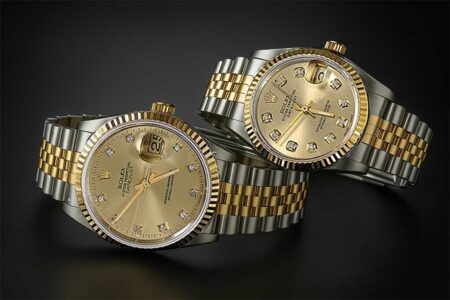
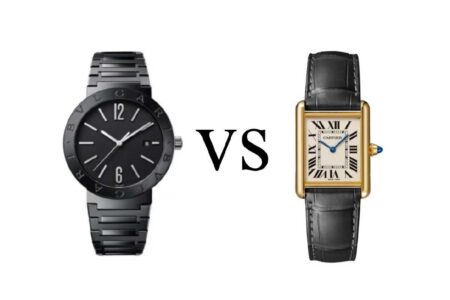
Two of the most recognisable watch designs of the modern era represent this divide particularly well: the sports-led dive watch and the refined chronograph. Each carries its own aesthetic language, and each suits a different approach to everyday style.
When function shapes design
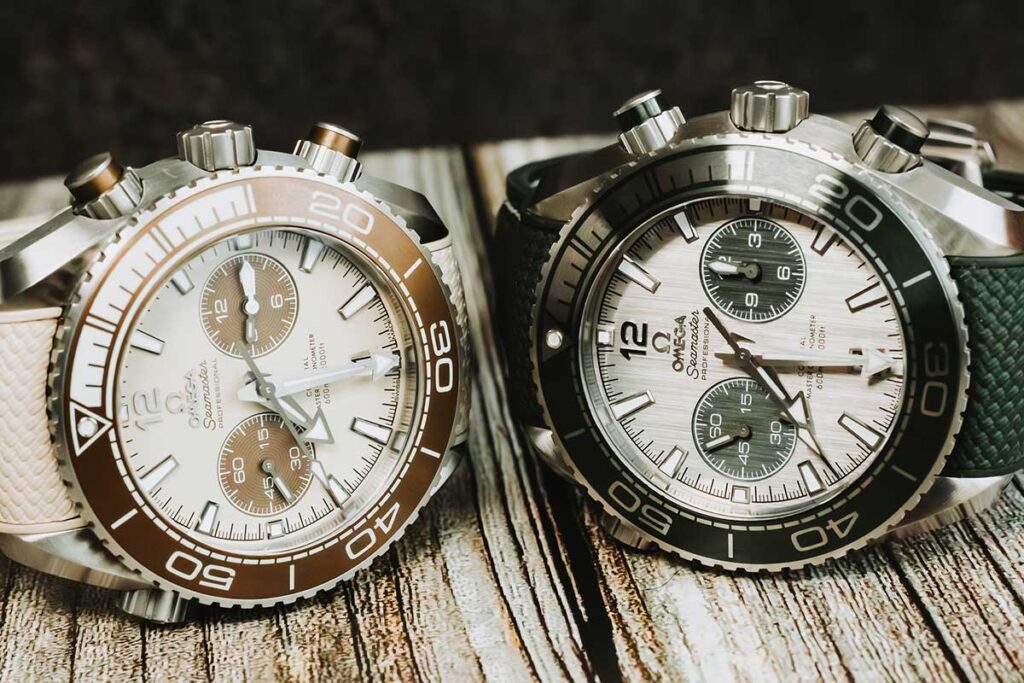
Tool watches were originally designed with a purpose. Dive watches prioritised legibility, durability, and water resistance. Chronographs were built for precision timing, originally used in aviation and motorsport. Over time, both crossed over into mainstream fashion, but their roots are still visible.
A dive watch tends to project confidence and practicality. Clean dials, strong markers, and robust cases make them easy to wear casually, whether paired with knitwear, denim, or tailored separates dressed down.
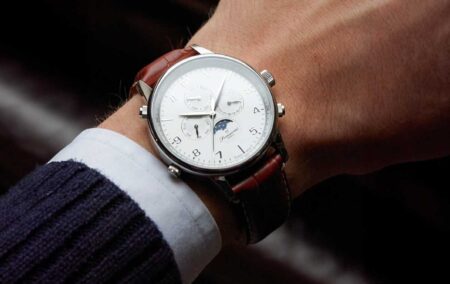
Chronographs, by contrast, lean towards refinement. Subdials, polished details, and slimmer profiles often give them a more composed feel. They sit naturally with structured jackets, shirts, and more considered outfits, without feeling formal in the traditional sense.
Choosing a watch that matches your lifestyle
The decision between these styles is less about specification and more about how the watch integrates into daily life. Someone who values versatility and understatement may gravitate towards a cleaner, sport-inspired design that works across environments. Others prefer a watch that feels intentional, technical, and visually expressive.
This is where heritage matters. The most enduring watch designs haven’t survived because they follow trends, but because they balance function and form in a way that continues to feel relevant decades later.
For readers interested in understanding how these two iconic styles compare in real-world wear, an in-depth comparison from MVS Watches explores the differences between two of the most celebrated luxury watches ever produced, looking beyond marketing and into how each fits modern lifestyles.
Watches as wardrobe anchors
In fashion terms, a great watch often functions like a signature coat or a pair of well-made shoes. It doesn’t need to shout, but it anchors an outfit. Many collectors and style-conscious buyers choose one primary watch that becomes their default, worn daily and associated with personal milestones.
This is why heritage models continue to dominate. Their designs have already proven adaptable across generations, making them safer long-term choices than trend-driven releases.
Style that lasts beyond seasons
As fashion increasingly values longevity and intention, watches sit comfortably in that conversation. They reward patience, age gracefully, and carry meaning beyond aesthetics alone.
Whether someone prefers the understated confidence of a sports watch or the structured elegance of a chronograph, the best choice is rarely about hype. It’s about alignment with how you live, dress, and move through the world.
In that sense, choosing a watch is less about collecting objects and more about refining personal style over time.
- About the Author
- Latest Posts

I’m Iskra Banović, editor of Blufashion and the voice behind its fashion, beauty, and lifestyle stories. Fashion, beauty, and lifestyle are my playground, but I’m just as likely to share the messy side of it all, like the time I tested a “must-have” skincare gadget and ended up with glitter stuck in my hair. I love turning trends and everyday finds into something useful (and fun) for real people.