





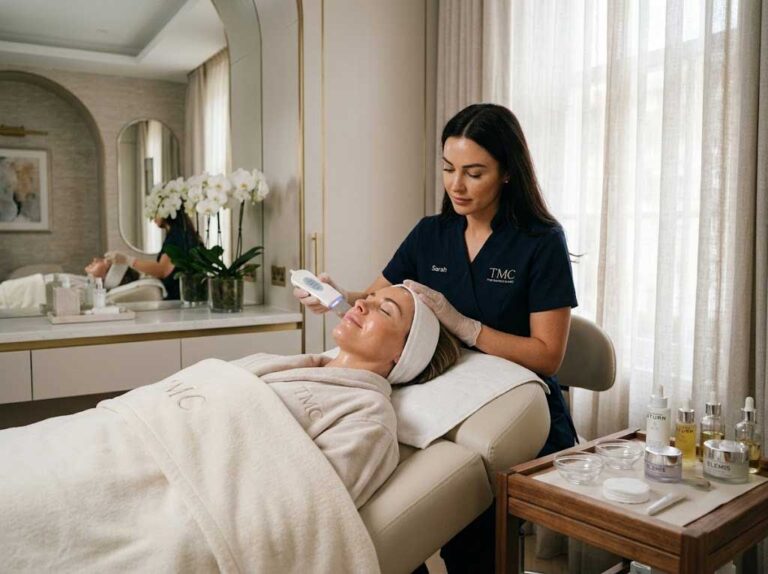
London beauty clients have become far more selective about the treatments they book. A facial is no longer seen as a quick cleanse before a night out; it is part of a regular skin maintenance routine, especially for people who want brighter, fresher and more polished-looking skin without taking time away from work or family life. Deep cleansing facials have grown because they offer a practical middle ground between a simple salon facial and more intensive aesthetic procedures.
The appeal is easy to understand. City life can leave the skin looking dull through pollution, stress, makeup, sunscreen build-up and general congestion. Many clients want a treatment that feels relaxing but still has a visible purpose. That is why advanced cleansing facials, exfoliation-led treatments and hydration-focused skin services have become popular choices for people preparing for events, holidays, photoshoots, weddings or simply wanting to feel more confident in their skin.
For clients comparing professional facial options in central London, treatments such as a HydrO2 facial in London can be a useful choice when the aim is deep cleansing, hydration and a fresher-looking complexion without a dramatic procedure. The wording matters because the treatment should be understood as a skin maintenance option, not as a miracle cure.
The HydrO2-style facial trend sits within a wider demand for treatments that make skin look clean, fresh and hydrated. Many clients do not want anything harsh. They want a facial that feels advanced but still comfortable, especially if they are booking before an event or as part of regular skin maintenance.
The best facial content should speak to how people actually describe their skin: dull, tired, congested, dry, oily or flat. These everyday words are often more meaningful than technical terminology because they reflect what clients see in the mirror.
Why deep cleansing facials are in demand
The popularity of deep cleansing facials comes from the fact that many people want visible freshness without anything that feels too aggressive. Skin can quickly look tired in a city environment, especially when someone wears makeup regularly, travels on public transport, works in air-conditioned rooms or spends long days in front of screens. A treatment that focuses on cleansing, exfoliation and hydration can feel both practical and enjoyable.
Many clients book a facial because their skin feels congested rather than because they have one major concern. They may notice uneven texture, dullness, dryness, excess oil or a general lack of glow. These are everyday concerns, and that is why a facial can fit naturally into a monthly or event-led routine.
A deep cleansing facial also gives clients a feeling of reset. It is not just about how the skin looks afterwards; it is also about taking time to pause, relax and do something positive for yourself. In a busy city like London, that combination of treatment and self-care is part of the appeal.
What clients usually want from a facial
Most clients want their skin to look cleaner, smoother and more radiant. They may not use technical skincare language, but they know when their skin looks flat or tired. They want a treatment that helps the face look more awake, especially before social events, holidays, weddings, meetings or photographs.
Hydration is another common reason people choose advanced facials. Skin can feel dry on the surface even when it is oily underneath. A treatment that supports moisture and comfort can make makeup apply better and help the complexion look healthier. This is particularly useful in colder months, after travel or during periods of stress.
Clients also value treatments that feel structured. A facial should not feel like random product application. It should have a clear purpose, from cleansing and exfoliating through to hydration and finishing care. That structure helps clients feel they are receiving a professional skin treatment rather than a basic pamper session.
Facials before events and special occasions
Event preparation is one of the biggest reasons deep cleansing facials remain popular. People want their skin to look its best for weddings, parties, birthdays, work events, holidays and photoshoots. A facial can be part of that preparation because it helps the skin look fresh and cared for without changing the face dramatically.
Many clients prefer to book a facial a few days before an event rather than on the same day, especially if they are trying a treatment for the first time. This gives the skin time to settle and allows the client to enjoy the refreshed look with confidence. Regular clients may know exactly when their skin looks best after treatment and plan around that.
The event-focused facial trend also connects with the rise of natural beauty. People want glowing skin under makeup rather than relying entirely on makeup to create the effect. A well-timed facial can support that polished, healthy look.
The role of professional advice
Professional advice matters because every client’s skin is different. Some people are prone to sensitivity, others to congestion, dryness or oiliness. A good consultation helps decide how to approach the treatment and what the client should do afterwards. This is especially important for anyone using active skincare at home.
A facial should also be realistic. It can help the skin look cleaner, fresher and more hydrated, but it is not a magic solution for every skin concern. Clients with acne, pigmentation, rosacea or medical skin conditions may need specialist guidance. A responsible clinic should be clear about what the treatment is suitable for.
Aftercare is part of the experience. Clients are often advised to keep skincare simple immediately after a facial, avoid heavy exfoliation for a short period and protect the skin properly. Sensible aftercare helps maintain the result and reduces the risk of irritation.
Why facial treatments fit modern beauty routines
The modern beauty routine is more maintenance-led than ever. Clients often combine good home skincare with occasional professional treatments. They may use cleansers, moisturisers, SPF and serums at home, then book a facial when the skin needs a deeper refresh. This balanced approach is more sustainable than constantly chasing quick fixes.
Facials also appeal because they are suitable for many stages of life. Younger clients may want help with congestion and glow. Busy professionals may want to look fresher despite stress and long hours. Mature clients may want hydration, comfort and radiance. The treatment can be adapted to different beauty goals.
In central London, where clients often have limited time, a facial that feels effective and relaxing has strong appeal. It provides a visible beauty benefit while also giving the client a break from the pace of daily life.
A polished option for London skin confidence
Skin confidence is often built through small, consistent habits. A facial can support that by giving clients a regular point of care and attention. It encourages people to notice their skin, understand what it needs and make better choices between appointments.
For clients searching for a professional facial, location, cleanliness, treatment explanation and comfort all matter. The right clinic should make the appointment feel easy from enquiry to aftercare. That sense of professionalism is what turns a single facial into a regular beauty routine.
Deep cleansing facials are popular because they meet a very real need: they help people feel fresher, more presentable and more confident without anything excessive. In a beauty market full of complicated options, that simple promise remains powerful.
Final thoughts
What clients should think about before booking
Before booking any beauty or body treatment, clients should think about what they actually want to improve. A clear goal makes the consultation more useful and helps the practitioner recommend the most suitable route. Someone who wants smoother-looking skin may need a different plan from someone focused on shape, glow, firmness or general maintenance.
It is also worth thinking about timing. Treatments are often best planned calmly rather than rushed immediately before an event. Giving the body or skin time to settle can make the experience feel more comfortable and gives the client a better chance to judge the result sensibly.
Clients should also ask questions. A professional clinic will not be irritated by someone wanting to understand the process. Questions about suitability, treatment sensation, aftercare, pricing and expected follow-up are normal, and the answers can help the client feel more confident.
Why realistic expectations are part of good care
Realistic expectations are not a negative thing. They protect the client and make the treatment experience more satisfying. In beauty and aesthetics, disappointment often happens when people are promised too much or when a treatment is described as if it can solve every concern. A more honest approach is better for everyone.
Non-surgical treatments can be very appealing, but they are still dependent on the individual. Age, skin quality, lifestyle, the treatment area and the body’s natural response can all influence the outcome. A responsible practitioner should explain this clearly rather than using pressure or unrealistic language.
The best clinics build trust by being measured. They do not need to make exaggerated claims. Instead, they explain what the treatment is designed to support, what the client may notice over time and what aftercare is sensible. That tone feels more professional and more reassuring.
How treatment planning supports better decisions
A good treatment plan does not have to be complicated. It simply needs to match the client’s concern, schedule and comfort level. Some clients may benefit from one focused appointment, while others may need a course of treatments or a combination of services over time. The right decision depends on the individual.
Planning also helps prevent over-treatment. In a market full of options, it can be tempting to book everything at once. A careful clinic will usually guide the client towards a sensible order, allowing each treatment to have its place and giving time to assess how the client responds.
This is particularly important for clients who are new to non-surgical treatments. Starting with a clear, well-explained option can build confidence. Once the client understands how the process works, they can decide whether further appointments are right for them.
The value of a calm consultation
The consultation is where trust begins. It gives the client space to explain their concern and gives the practitioner a chance to assess suitability. This should feel like a conversation, not a sales pitch. A client should leave understanding the treatment rather than feeling pushed into a decision.
A calm consultation is especially valuable for body treatments, because clients may be discussing areas they feel sensitive about. Professional language, privacy and a respectful tone can make the process feel much easier. When a clinic handles this well, clients are more likely to feel comfortable returning.
The best consultations also include practical guidance. This may involve discussing how to prepare, what to avoid immediately afterwards and how to look after the treated area or skin. Small details can make the whole experience feel more polished.
Why professional presentation matters
Professional presentation is not only about how a clinic looks online. It includes the way enquiries are answered, the clarity of appointment information, the cleanliness of the treatment space and the confidence of the practitioner. These details tell the client whether the clinic takes its work seriously.
In central London, clients have many choices. They are more likely to trust clinics that communicate clearly and keep the experience simple. Confusing information, vague pricing or exaggerated promises can quickly put people off. A professional, direct approach is usually far more effective.
A well-presented clinic also helps clients relax. When the space feels organised and the appointment feels structured, the client can focus on the treatment rather than worrying about what will happen next. That sense of ease is part of the overall result.
What clients should think about before booking
Before booking any beauty or body treatment, clients should think about what they actually want to improve. A clear goal makes the consultation more useful and helps the practitioner recommend the most suitable route. Someone who wants smoother-looking skin may need a different plan from someone focused on shape, glow, firmness or general maintenance.
Deep cleansing facials have become popular because they are practical, polished and easy to fit into real life. They can help the skin look fresher, cleaner and more hydrated while still feeling like a relaxing beauty appointment.
For London clients balancing work, social plans and daily stress, a professional facial can be a simple but valuable part of their beauty routine. It supports skin confidence without requiring anything dramatic.
The best facial experience is clear, comfortable and tailored to the client’s skin. That is why advanced cleansing and hydration-led facials are likely to remain a must-have treatment for clients who want a healthy-looking glow.