





You’re sitting in the salon chair, ready to go a little lighter, when your stylist asks a deceptively simple question: “Are we doing partial or full highlights?”
And suddenly, you’re wondering whether you should have researched this before booking.
Here’s the difference. Partial highlights lighten selected sections of your hair, usually around the face, part, and crown. Full highlights place lighter strands throughout the head, including underneath layers and the back.
But there’s more to it than how many foils you leave the salon wearing.
Partial highlights can brighten your face without changing everything underneath. Full highlights create more consistent dimension throughout your hair, which is particularly noticeable when you wear it up.
Neither option automatically means subtle or dramatic color. Your stylist can make partial highlights quite bold or give you beautifully soft, natural-looking full highlights.
The real question is where you want the brightness, how much maintenance you’re comfortable with, and what your hair can handle.
Let’s compare them before you commit to a few hours in the salon chair.
Partial vs. Full Highlights: The Quick Comparison
| Feature | Partial Highlights | Full Highlights |
|---|---|---|
| Coverage | Selected sections, often the face frame, part and crown | Highlights distributed throughout the head, including underneath and back |
| Overall effect | Targeted brightness, usually with more natural depth remaining | More evenly distributed brightness and dimension |
| Typical cost | Usually lower | Usually higher |
| Salon time | Typically shorter | Typically longer |
| Maintenance | Often easier to refresh selectively | Can require more extensive root touch-ups |
| Hair processing | Fewer sections lightened in one appointment | More sections processed overall |
| Best for | Face-framing brightness and modest refreshes | All-around dimension and more consistent color in updos |
One detail worth remembering: a full highlight doesn’t mean dyeing every strand of hair. You still keep some of your natural base color between the highlighted pieces.
And a partial highlight isn’t necessarily limited to two tiny sections around your face. The placement depends on the look you’re trying to achieve.
If you like softer, hand-painted brightness, our guide to Top Balayage Hair Trends to Watch covers another approach. The linked article’s title is historical, but the technique remains relevant.
What Are Partial Highlights?

Partial highlights are exactly what they sound like. Instead of lightening strands throughout your entire head, your colorist concentrates on the areas where you want to see the color most.
For many people, that means the hair around the face and along the part line.
Think of it as turning up the brightness in the places that get noticed first while leaving more of your original hair color underneath.
The result can look soft and sun-kissed, but it doesn’t have to be understated. Bright blonde pieces against dark brown hair, for example, can make a noticeable difference even when only part of the hair is highlighted.
Who Should Consider Partial Highlights?
I’d lean toward partial highlights if you want to:
- Brighten the hair around your face.
- Add a little dimension to your natural color.
- Try highlights without a major change.
- Refresh previously lightened pieces.
- Keep more of your natural color underneath.
- Spend less time and generally less money at the salon.
They’re also useful if your hair has already been lightened and you’re trying to avoid unnecessary processing on the rest of it.
But don’t assume partial highlights are automatically damage-free. The lightened strands still undergo chemical processing, and their condition matters.
What Are Full Highlights?
Full highlights involve selecting and lightening strands throughout the head, including areas that might be left untouched during a partial service.
That includes the top, sides, back and underneath layers.
Here’s why that matters.
If you usually wear your hair down, partial highlights around the face and crown may give you all the brightness you’re looking for.
But if you often wear a ponytail, bun or half-up hairstyle, you may notice darker sections underneath.
Full highlights help distribute the lighter color throughout those layers.
They’re especially appealing when you want more consistent brightness from different angles or plan to make a noticeable change to your overall hair color.
Who Should Consider Full Highlights?
Full highlights might make more sense if you:
- Want lighter pieces visible throughout your hair.
- Frequently wear ponytails, buns or updos.
- Want to build toward a significantly lighter overall look.
- Prefer dimension through the back and lower layers.
- Have enough time and budget for a longer service.
One common misconception is that full highlights must look chunky or dramatic.
Not at all. Fine babylights distributed throughout the head can create a delicate, natural-looking result. The difference is the coverage, not the thickness of the highlighted strands.
How Different Do Partial and Full Highlights Actually Look?

This is where photographs become much more useful than technical salon terminology.
Imagine two people with medium brown hair.
One has caramel highlights around the face and across the crown, leaving the underneath layers mostly brown.
The other has similar caramel pieces woven through the sides, back and lower layers.
From the front, their hair might look surprisingly similar.
But turn around, lift the hair into a ponytail, or part it differently, and the distinction becomes obvious.
That’s why I’d never choose full highlights simply because they’re described as a more expensive or complete service.
Think about how you actually wear your hair.
Partial Highlights vs. Full Highlights: Benefits and Trade-Offs
Why Partial Highlights Make Sense
The biggest advantages are flexibility and efficiency.
You’re lightening fewer sections, which often means a shorter appointment, a lower price and more of your natural hair left untouched.
Partial highlights can also help maintain color between larger appointments.
The downside? They may not give you enough brightness if your goal is to look substantially lighter from every angle.
Why Full Highlights Are Worth Considering
Full highlights give your colorist more opportunities to distribute brightness evenly and work on darker underneath layers.
They can be particularly useful when you’re building toward an overall blonde look or want highlights visible in updos.
The trade-offs are time, cost and the amount of hair being processed.
And that last point deserves attention, especially if your hair is already dry, fragile or chemically treated.
How Much Do Partial and Full Highlights Cost?
Partial highlights usually cost less than full highlights because the service typically uses fewer foils, less product and less application time.
But there’s no universal price difference.
A highly experienced colorist working on thick, waist-length hair may charge more for a partial service than another salon charges for full highlights on short hair.
Prices also depend on your location, the salon’s pricing structure, and whether you’re booking a simple refresh or a more complicated color correction.
What Can Increase the Final Price?
Before booking, check whether the quoted price includes:
- Toner or gloss.
- Blow-dry and styling.
- Extra product for long or thick hair.
- Bond-building or conditioning treatments.
- Additional color correction.
- Extra bowls of lightener or additional application time.
If the price isn’t clear, ask for an estimate based on your current hair and the photographs you’re bringing.
I’d also ask whether the appointment is priced by service, stylist level or time.
A clear estimate is much nicer than discovering at checkout that the toner you needed wasn’t included.
How Long Do Partial and Full Highlights Take?
Partial highlights are generally quicker, but appointment lengths can vary considerably.
As rough planning ranges, a partial highlight service might take around one to two hours, while full highlights may require two to four hours or longer when toner, washing, drying and styling are included.
Those aren’t promises. Hair density, length, previous color and your desired result can all change the timing.
If you’re going from dark brunette toward blonde, the stylist may recommend a gradual process over multiple appointments instead of trying to reach your goal in a single afternoon.
And that’s often the better choice for your hair’s condition.
How Often Do Highlights Need Touch-Ups?
Here’s something that can save you a fair amount of time and money: highlights don’t disappear after six weeks.
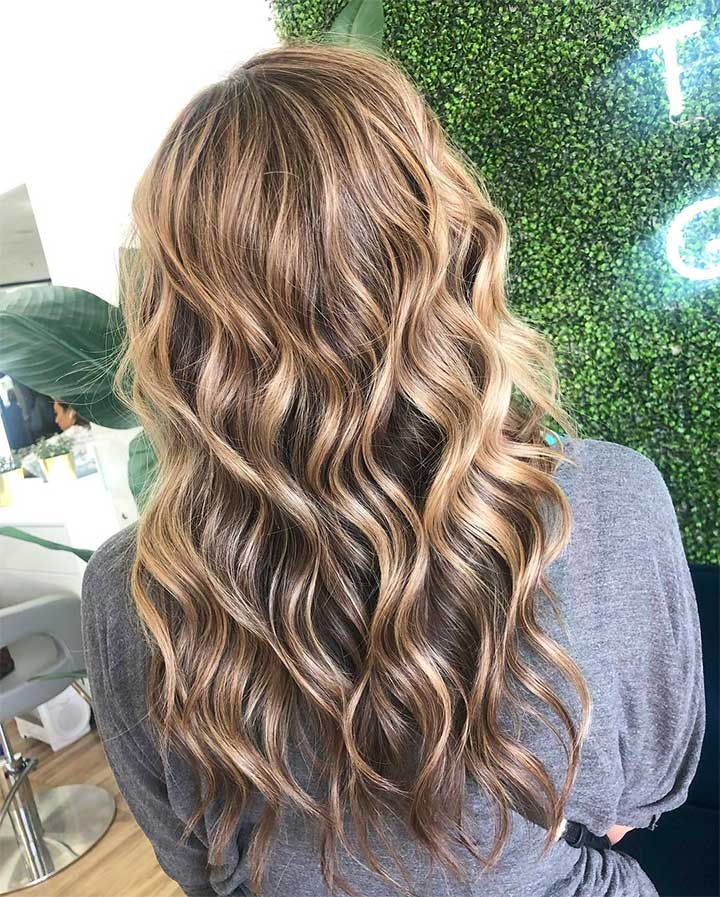
The lightened hair remains lightened as it grows. What changes is the appearance of your roots, the tone of the color and the overall balance of the style.
Some people prefer a refresh every six to eight weeks. Others can comfortably go ten to twelve weeks or longer, particularly with softer placement and lower contrast.
The best schedule depends on your hair growth, how noticeable the roots are, and whether you’re happy with a lived-in look.
Partial Highlights and Maintenance
Partial highlights are often easier to maintain selectively because your stylist can focus on the visible sections.
You may also be able to alternate partial and full appointments instead of paying for a full service every time.
Full Highlights and Maintenance
Full highlights don’t automatically require appointments more frequently.
However, if you prefer consistent brightness throughout your hair and very little visible regrowth, refreshing the entire result may take more work.
Many stylists recommend considering a combination of fuller appointments and smaller refreshes, depending on your color goals.
And if you’re comparing the general hassle of scheduling beauty services between appointments, it helps to decide how often you’re realistically willing to return.
There’s no need to promise yourself salon visits every six weeks if you know you’d rather stretch them out.
Do Full Highlights Damage Hair More Than Partial Highlights?
They can, because more hair is usually being lightened.
But that’s only part of the story.
Hair lightening changes the structure of the hair fiber, and repeated chemical processing can increase dryness, porosity and breakage.
A carefully performed full highlight service on healthy, untreated hair may be less problematic than repeatedly lightening the same already fragile strands during partial appointments.
What matters is your starting hair condition, the products used, the amount of lift needed and whether previously lightened sections are being processed again.
If your hair feels stretchy when wet, breaks easily, or has already been through several rounds of bleaching, I’d ask for a hair-condition assessment before booking more highlights.
How to Keep Highlighted Hair Looking Healthy
A sensible routine is fairly straightforward:
- Use a shampoo and conditioner suitable for color-treated hair.
- Condition regularly, particularly through dry ends.
- Limit unnecessary high-heat styling.
- Use heat protection when blow-drying or styling with hot tools.
- Ask your colorist whether a bond-building treatment is appropriate.
- Avoid overlapping lightener on fragile, previously processed hair.
Deep conditioners can improve how your hair feels and behaves, but they can’t literally return chemically damaged hair to its untouched state.
Partial Highlights vs. Balayage: Are They the Same?
No, and this is one of the salon terms worth getting straight before your appointment.
Partial versus full highlights describes coverage. Balayage describes a lightening technique.
Traditional foil highlights often involve weaving or slicing strands and isolating them in foils.
Balayage generally involves painting lightener onto selected hair sections to create a softer, graduated placement.
You can have partial balayage or full balayage, depending on how much of the head is treated.
And you can also have partial or full foil highlights.
So if you’re after soft, grown-out-looking color, don’t simply ask for partial highlights and assume that’s what you’ll get.
Show your stylist photographs and talk about the finish you want.
What Happens During a Highlighting Appointment?
Most highlighting appointments begin with a consultation.
Your colorist should consider your natural color, existing dye, previous bleaching, hair condition and the result you’re hoping to achieve.
Then comes the sectioning.
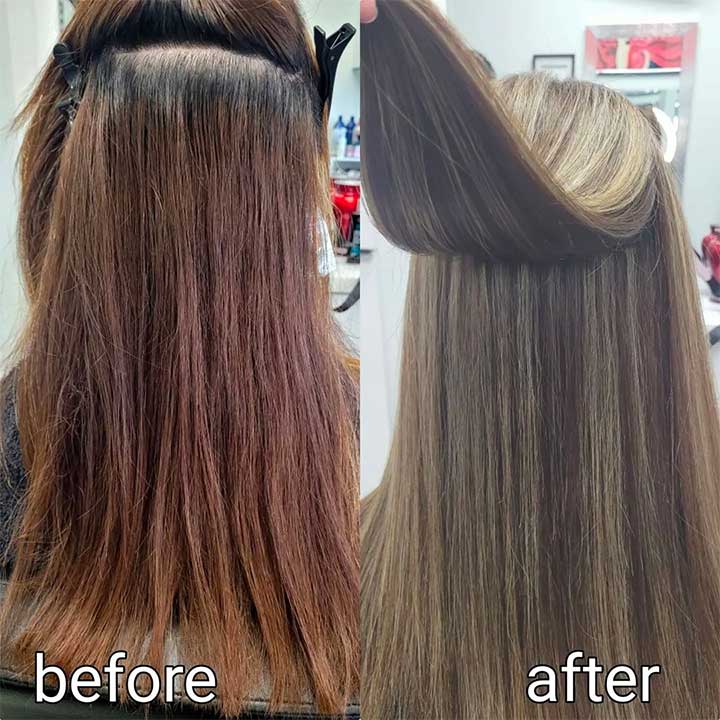
For traditional foil highlights, the stylist separates strands, applies an appropriate lightening or coloring product and isolates the sections with foils.
Processing time depends on the product, starting shade, condition of your hair and intended result. A colorist should monitor the lightening process rather than relying on one fixed timer for everyone.
Once the desired lift has been reached, the hair is rinsed. A toner or gloss may then be used to adjust unwanted warmth or refine the finished shade.
Finally, your hair is dried and styled so you can see how the color looks in its finished form.
Not every highlight appointment uses bleach or heat, and not every technique requires foils. The method depends on your starting point and your colorist’s plan.
Do Partial Highlights Work on Brown, Blonde and Dark Hair?
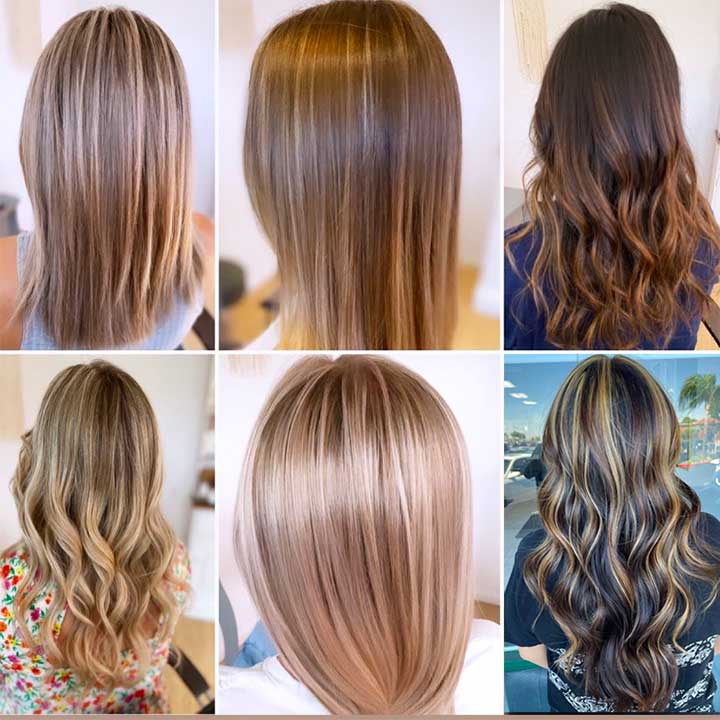
Absolutely. Partial highlights aren’t reserved for blondes.
In fact, they can look particularly beautiful on brown hair because a relatively small amount of lighter color creates noticeable contrast.
On Brown Hair
Caramel, honey, chestnut and soft beige tones can create dimension without making the entire head look blonde.
For darker brunettes, the amount of contrast is worth discussing carefully.
A few very bright pieces may appear striking, while highlights closer to your natural shade create a softer result.
On Blonde Hair
Partial highlights can brighten the face or freshen up existing blonde without reprocessing the whole head.
They’re also useful between larger color appointments when the underneath layers already have enough brightness.
On Black or Very Dark Hair
Partial highlights can add espresso, caramel, copper or lighter accents depending on the starting hair color and desired lift.
Getting substantially lighter may take more than one appointment, particularly if your hair has previously been dyed dark.
On Curly and Coily Hair
Both partial and full highlights can work beautifully on textured hair.
Placement becomes especially important because curls may sit differently when dry, and highlighted pieces can appear in unexpected places as the hair moves.
I’d look for a colorist experienced with your texture and ask to see examples of similar work.
Which Looks Better on Fine or Thick Hair?
Both can work well, but the effect depends on the cut, color contrast and placement.
On fine hair, carefully placed highlights can create the visual impression of more dimension. They don’t physically increase hair density, of course.
On very thick hair, a partial service may brighten the top while leaving considerable depth underneath.
If you regularly wear thick hair in updos, a full highlight may distribute the color more evenly.
It’s less about a strict hair-type rule and more about how the lighter strands interact with your natural base.
Can You Use Highlights to Blend Gray Hair?
Yes, highlights can sometimes help soften the contrast between gray strands and your natural color.
But highlights and traditional gray coverage aren’t the same service.
For example, a few well-placed light pieces may help gray strands blend into an existing blonde or brunette pattern.
However, if you want complete coverage of significant gray regrowth, your stylist may suggest permanent color, lowlights or a more specialized gray-blending plan.
Bring up gray blending during the consultation rather than assuming a partial highlight package automatically includes it.
How to Choose Between Partial and Full Highlights
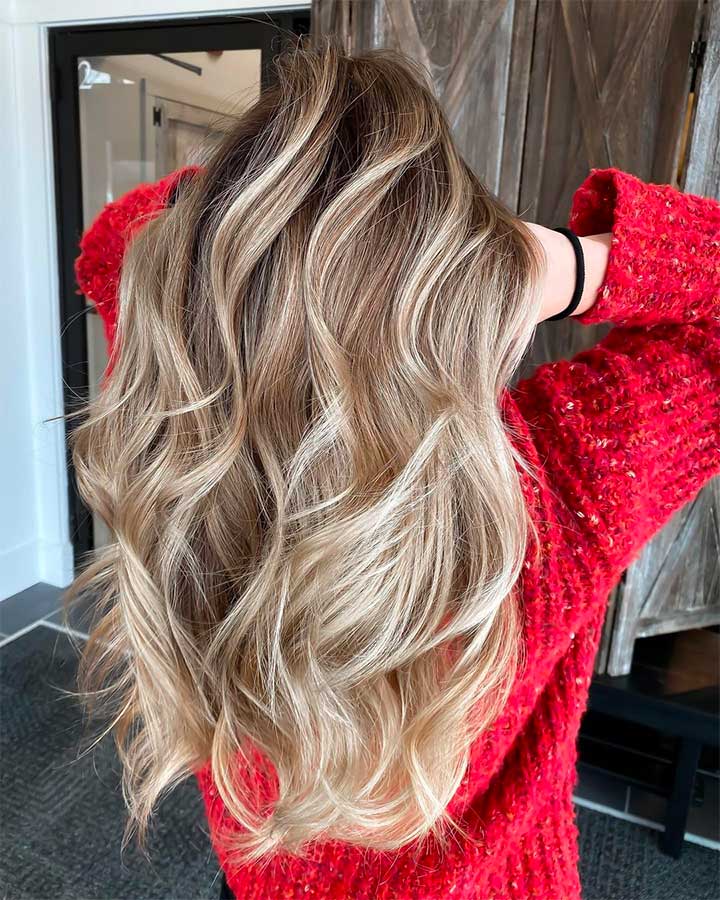
Here’s the easiest way I’d make the decision.
Choose Partial Highlights If…
You like your natural base color and mainly want brightness around your face or the top of your hair.
They’re also worth considering if you’re refreshing existing highlights, want a shorter appointment, or prefer to keep more depth underneath.
Choose Full Highlights If…
You want the color visible throughout the back and lower layers, regularly wear your hair up, or are working toward an overall lighter result.
Full highlights may also be more useful for an initial transformation before moving to smaller maintenance appointments.
Think About Your Regrowth Preferences
Some people want every root line softened as soon as it appears. Others actually like the contrast of visible roots and prefer a more relaxed grow-out.
If you can’t imagine yourself visiting a salon regularly, talk to your colorist about softer root transitions and whether partial services could fit your maintenance schedule.
What to Ask Your Stylist Before Booking
Rather than simply saying “I want blonde highlights,” bring a few inspiration photos and explain what you like about them.
I’d also ask these questions:
- Will partial highlights create the look in my reference photo?
- Will the underneath layers stay noticeably darker?
- How will the color look when I wear my hair up?
- Is toner included in the appointment price?
- How long should the service take?
- When would I realistically need a refresh?
- Can we preserve some of my natural color for easier maintenance?
- Will my current hair condition tolerate the amount of lightening needed?
And if you’re working with a good stylist can guide you, be open about your budget and what you do with your hair at home.
A gorgeous color you can’t reasonably maintain isn’t necessarily the right color for you.
What If You Want More Volume Without Additional Bleaching?
Hair color can create the appearance of dimension, but it can’t increase the actual number of strands on your head.
If fullness is your main concern, highlights may not be the only option worth exploring.
Wigs and hair extensions can change the appearance of length and fullness, while toppers may provide coverage or volume in specific areas.
New Times Hair, for example, offers a range of alternative hair products, including human hair wigs.
Those products serve different purposes from highlights, but they’re worth considering if you’re trying to change your overall hairstyle without further chemical lightening.
If you’re also choosing a cut, our guide to Hot Hairstyles that Flatter Round Faces offers ideas for shape and styling.
Frequently Asked Questions About Partial and Full Highlights
What is a partial highlight?
A partial highlight service lightens selected sections of hair, often around the face, part and crown, while leaving other areas untouched. It can add targeted brightness without lightening throughout the whole head.
What is a full highlight?
A full highlight service distributes lighter strands throughout the head, including the sides, back and underneath layers. It doesn’t mean every strand is dyed.
Are partial highlights better than full highlights?
Neither is universally better. Partial highlights are useful for targeted brightness and smaller refreshes. Full highlights are better suited to all-around dimension and more extensive color changes.
How much do partial highlights cost compared with full highlights?
Partial highlights usually cost less because fewer sections are processed, but prices vary by stylist, salon, hair length, density and additional services such as toner or styling.
How long do partial highlights last?
The lightened strands remain colored, but roots become more visible as your hair grows. Many people refresh their highlights after roughly six to twelve weeks, while softer placements may be maintained for longer.
Do full highlights damage your hair more?
Full highlights generally process a larger proportion of the hair, which can increase the overall exposure to lightening chemicals. However, actual damage also depends on hair condition, technique and whether previously lightened strands are processed again.
Can I alternate partial and full highlights?
Yes. Many colorists use full highlights to establish an overall result, then partial highlights to refresh selected areas. The right approach depends on your color, regrowth and hair condition.
Can partial highlights make your hair look blonde?
They can make the visible top and face-framing sections appear significantly lighter, especially with bright placement. But the darker underneath sections may still show, particularly when your hair is tied up.
Are partial highlights the same as balayage?
No. Partial refers to how much of the hair is highlighted. Balayage refers to a painting technique. You can have partial balayage, full balayage, or traditional foil highlights.
So, Should You Get Partial or Full Highlights?
If I wanted a soft refresh around my face, I’d start by discussing partial highlights. They’re often enough to make hair look brighter without committing to a full color overhaul.
For a bigger change, particularly if I wanted lighter pieces visible in ponytails and underneath layers, I’d consider full highlights.
But I wouldn’t make the final call based on the service name alone.
Your starting color, hair condition, haircut, budget and styling habits all matter. And a skilled colorist can often achieve more with strategic placement than you might expect.
The best salon appointment isn’t necessarily the one with the most foils. It’s the one that gives you the result you actually wanted, with a maintenance plan you can live with.