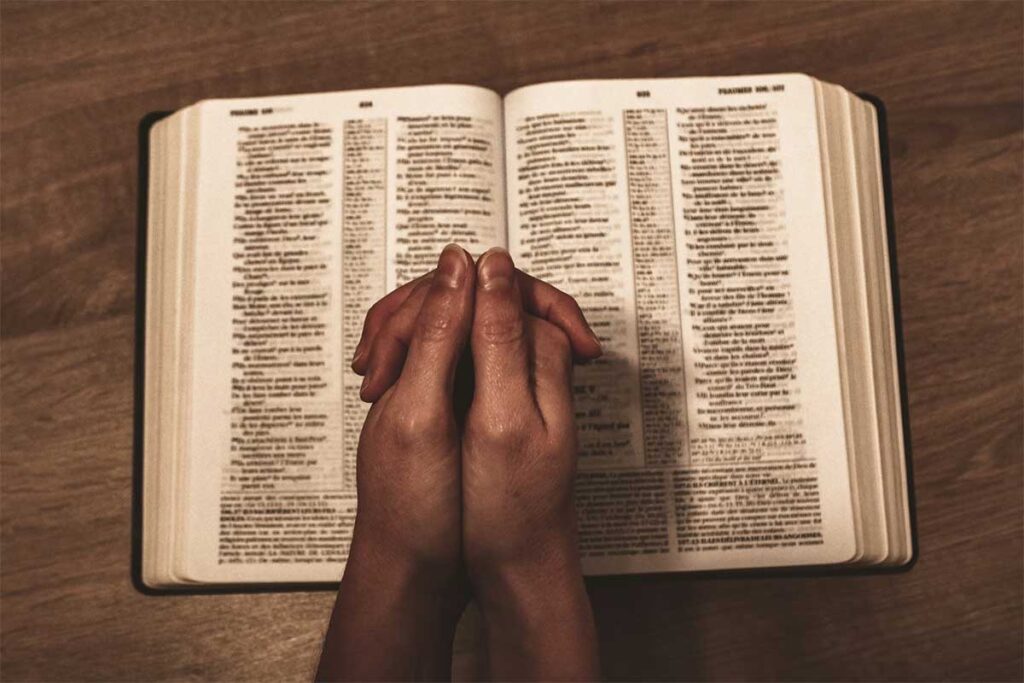
Religious worship practices vary dramatically across cultures, reflecting centuries of tradition, geography, and social evolution. These differences show up in everything from architectural styles and ceremonial rituals to the very concept of what constitutes sacred space and time. Understanding these cultural variations has become essential in our increasingly interconnected world, where people of different faiths interact daily in communities, workplaces, and international contexts. The ways communities express devotion, organize their spiritual lives, and interpret sacred texts are deeply influenced by the cultural frameworks within which these traditions have developed.
Sacred Spaces and Architectural Expressions
The physical environments where worship occurs reflect profound cultural values and theological principles unique to each tradition. Christian churches in Western Europe often feature soaring Gothic architecture with stained glass windows that tell biblical stories, while Eastern Orthodox churches employ iconography and domed structures that represent heaven meeting earth. Islamic mosques incorporate geometric patterns and calligraphy rather than representational art, with minarets calling the faithful to prayer five times daily. Hindu temples in South Asia burst with colorful sculptures of deities, creating immersive environments where the divine is visibly present in multiple forms.
Temporal Rhythms and Sacred Calendars
Cultural differences in religious worship become particularly evident in how communities structure sacred time and organize their spiritual calendars. Jewish tradition marks the Sabbath from Friday evening to Saturday evening, creating a weekly rhythm of rest and spiritual renewal that has influenced cultures worldwide for thousands of years. Christians typically observe Sunday as their primary day of worship, commemorating the resurrection, though Orthodox traditions follow different calendar systems that can result in celebrating major holidays on different dates. Muslims structure their days around five prayer times, with Friday serving as the day for communal prayers, demonstrating how religious practice can permeate daily life rather than being confined to weekly observances.
Modes of Prayer and Spiritual Expression
The methods through which believers communicate with the divine reveal striking cultural variations that reflect different theological understandings and historical developments. Catholic and Orthodox Christian traditions employ elaborate liturgies with prescribed prayers, chants, and physical gestures like genuflection and the sign of the cross, creating highly structured worship experiences. Protestant traditions span a wide spectrum, from formal liturgical services to spontaneous charismatic expressions involving speaking in tongues and physical demonstrations of spiritual fervor. Islamic prayer involves specific physical postures including standing, bowing, and prostration while facing Mecca, combining bodily discipline with verbal recitation.
Community Structures and Religious Authority
The organization of religious communities and the distribution of spiritual authority vary significantly across cultures, influencing how worship is conducted and religious knowledge is transmitted. Catholic Christianity maintains a hierarchical structure with ordained clergy possessing special authority to administer sacraments, while Protestant traditions range from episcopal systems to completely congregational governance where authority rests with local communities. Eastern Orthodox churches operate with a different understanding of ecclesiastical authority, emphasizing conciliar decision-making and the importance of maintaining ancient traditions. Islamic communities traditionally lack formal clergy in the Christian sense, though imams lead prayers and scholars interpret religious law, with significant variations between Sunni and Shia branches. In regions where believers face restrictions on worship, understanding persecution of Christians helps illuminate how communities maintain faith under challenging circumstances. Buddhist sanghas can be monastic communities where ordained monks and nuns preserve teachings, or lay-led organizations in Western contexts that adapt traditional practices to contemporary settings. Hindu traditions operate without centralized authority, with spiritual teachers, or gurus, guiding individuals and communities according to various philosophical schools. These structural differences affect how decisions are made about worship practices, how religious education occurs, and who has the authority to interpret sacred texts and lead communities through changing circumstances.
Dietary Practices and Ritual Purity
Religious dietary laws and concepts of ritual purity reflect cultural attitudes toward the body, consumption, and the boundaries between sacred and profane. Jewish kashrut laws prescribe detailed regulations about which foods are permissible, how animals must be slaughtered, and how different food types must be separated, creating a comprehensive system that affects daily life and community identity. Islamic halal requirements share some similarities with Jewish dietary laws while incorporating different principles and cultural applications that vary across Muslim-majority societies. Hindu traditions often involve vegetarianism, particularly among Brahmin communities, based on principles of ahimsa or non-violence, though practices vary considerably across India’s diverse regions and caste groups.
Conclusion
Understanding cultural differences in religious worship requires recognizing that these variations aren’t arbitrary or superficial but represent coherent systems of meaning developed within specific historical and social contexts. Appreciating how architecture, time, prayer, authority structures, and daily practices reflect deeper theological principles enables more meaningful interfaith dialogue and cooperation. As global migration and digital communication bring diverse religious communities into closer contact than ever before, developing this cultural competence becomes increasingly important for social harmony. Rather than viewing religious diversity as a source of conflict, recognizing the richness of human spiritual expression across cultures can foster mutual respect and peaceful coexistence.
- About the Author
- Latest Posts

I’m Iskra Banović, editor of Blufashion and the voice behind its fashion, beauty, and lifestyle stories. Fashion, beauty, and lifestyle are my playground, but I’m just as likely to share the messy side of it all, like the time I tested a “must-have” skincare gadget and ended up with glitter stuck in my hair. I love turning trends and everyday finds into something useful (and fun) for real people.