



Going braless is hardly new. It challenged conventional beauty standards in the late 1960s and 1970s, came back into the spotlight through celebrity fashion and the Free the Nipple movement, and found a much wider audience when the pandemic made comfort the priority. I’ll admit my bias up front: I can’t count the number of times I’ve come home from a long day and couldn’t wait to take my bra off. Here’s where the trend came from, what going braless does and doesn’t do for your body, and how to wear the look so it feels easy instead of exposed.
In this story:
Where the Braless Trend Came From
The first big braless moment came in the late 1960s and early 1970s, when fashion swung toward a softer, more natural silhouette. Designer Rudi Gernreich even sold a sheer, wire-free “No Bra” in the mid-1960s for women who wanted the look with a little support. Today’s wave has a few more recent starting points. The first is #FreeTheNipple, the campaign that grew out of Lina Esco’s 2014 film Free the Nipple. Esco struggled to get the film released because of its topless scenes, and she turned that fight into a broader push against the double standard on women’s bodies. Celebrities including Miley Cyrus backed it publicly, and the hashtag spread fast.
Then came the red carpet. In June 2014, Rihanna accepted the CFDA Fashion Icon Award in a sheer Adam Selman fishnet gown covered in more than 200,000 Swarovski crystals, with no bra underneath. It’s still one of the most talked-about looks in the awards’ history. By summer 2016, going braless under slip dresses and thin tees had become a street-style signature for models like Kendall Jenner, Gigi Hadid, and Hailey Baldwin (now Hailey Bieber).
The biggest push, though, came in 2020. With offices closed and nobody to dress up for, a lot of women took their bras off and didn’t put them back on. What used to be a fashion statement became an ordinary weekday choice, and fashion editors have described the trend since as a comfort habit carried over from the pandemic.
Why So Many Women Stopped Wearing Bras
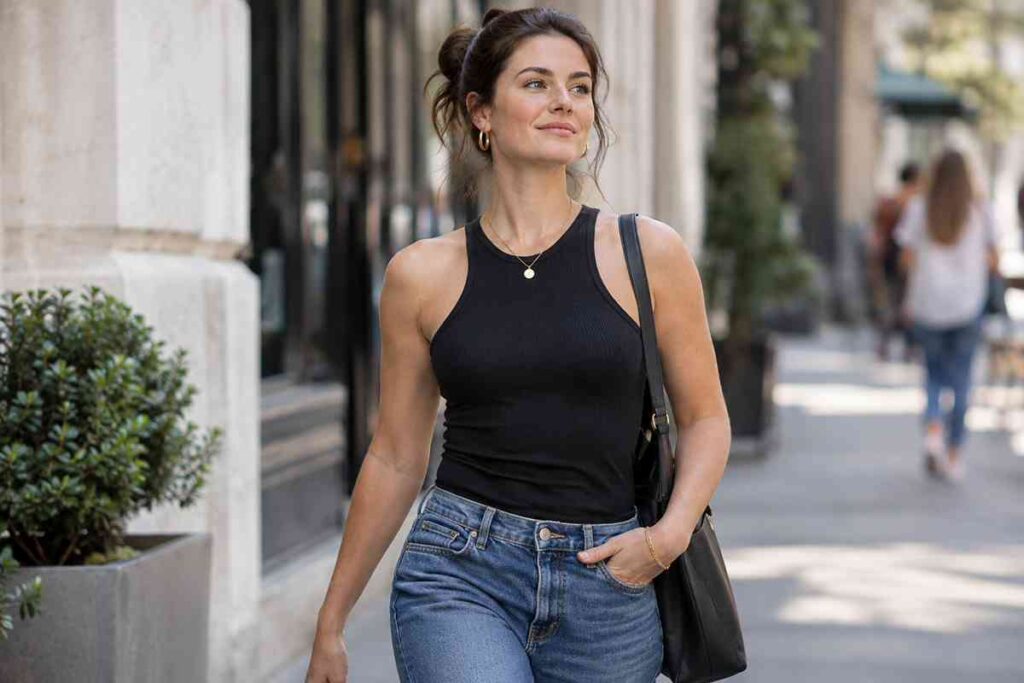
Comfort. This is the big one. Underwires dig, bands ride up, straps leave marks, and a lot of women are wearing the wrong size anyway. Taking that out of the day is a real relief, especially at home or on low-key days.
Choice. For many women, the question shifted from “Do I need a bra?” to “Do I want one today?” Social media helped here. Seeing women of different ages and shapes go without made it feel less like a dare and more like an option.
Pushing back on old rules. Men don’t get told their chests are distracting. Some women go braless partly as a quiet refusal to treat their bodies as something that has to be managed or hidden, and that’s as valid a reason as comfort.
What Going Braless Does and Doesn’t Do
You’ll find big health promises on both sides of this debate online, and most of them don’t hold up. Here’s what the evidence actually supports:
- Bras don’t cause breast cancer, and going braless doesn’t prevent it. The American Cancer Society says there’s no scientific or clinical data showing that wearing a bra changes breast cancer risk, including a 2014 study of more than 1,500 women.
- There’s no good evidence either way on sagging. Going braless hasn’t been shown to cause it, and wearing a bra hasn’t been shown to prevent it. Genetics, aging, weight changes, and pregnancy all play a role.
- Support matters during exercise. In a University of Portsmouth study of 21 women who wore D-cup bras, unsupported breast movement rose from about 1.7 inches when walking to about 6 inches when running. A well-fitting sports bra reduces that movement and the soreness that comes with it, so it’s still worth wearing for running, HIIT, and anything with jumping.
So for everyday wear, it really comes down to what feels good. For a deeper look at bra myths, fit, and when support actually matters, read why we wear bras and whether you really need one.
How to Wear the Braless Look

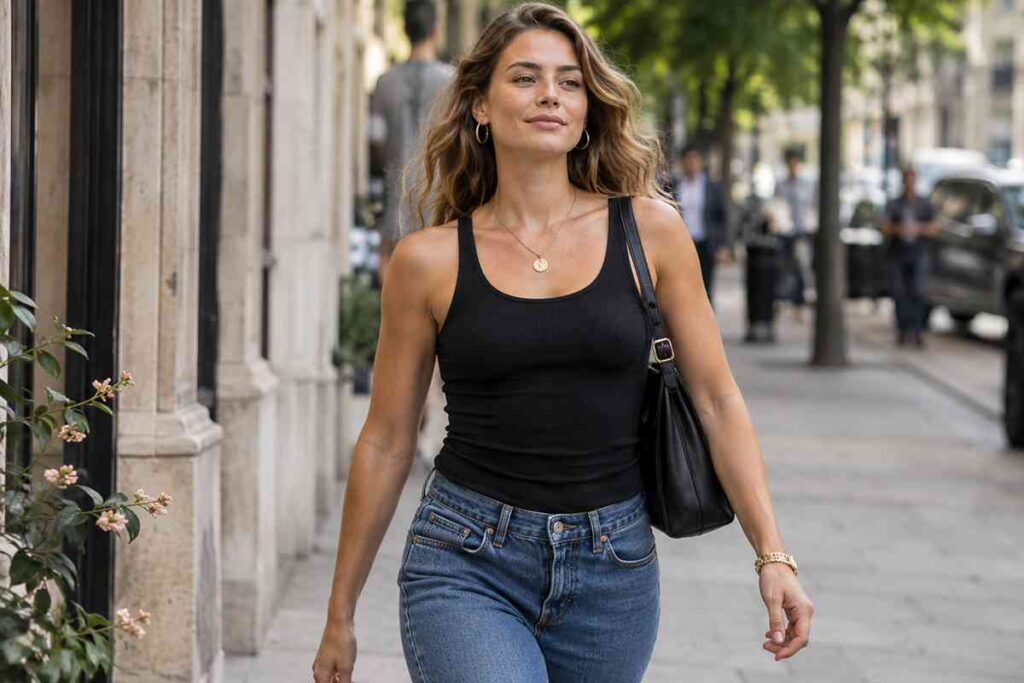
Going braless doesn’t have to mean thin white jersey and crossed fingers. The right clothes do a lot of the work for you.
Start With the Fabric
Thicker cotton jersey, ribbed knits, and double-layered tees show far less than lightweight jersey. Darker colors and busy prints hide more than pale solids, and a woven shirt with chest pockets is about as low-effort as it gets. Before you head out, check your top in a mirror with the light behind you, because some fabrics that look opaque indoors turn see-through in sunlight.
Let the Clothes Do the Supporting
Structure can stand in for a bra. Camis and tanks with a built-in shelf, snug bodysuits, smocked tops, corset and bustier tops, and tailored vests worn on their own all give shape without straps or wires. For easy everyday options, see these tank tops you can wear without a bra.
Keep Light Coverage on Hand
Silicone or fabric nipple covers solve most visibility worries in seconds, and many are reusable. Breast tape can add a bit of lift under backless or low-cut pieces, but test it on a small patch of skin before a long event, since adhesive can irritate sensitive skin, and peel it off slowly.
If You Have a Fuller Bust
Going completely braless can feel quite different when you have a fuller or heavier bust, and most of the braless inspiration you see online features women with smaller breasts. If no bra at all feels like too much, you can still get most of the comfort with an unlined wireless bralette, a longline bralette with a wide band, or a shelf tank with a firm hem. Bralettes still need a band that fits, so check your size with our bra size calculator before you order.
Going Braless After 50
Breast shape and skin elasticity change with age, so what felt comfortable in your 30s may not feel the same now. And if you’ve worn an underwire for decades, going without one takes some getting used to. Start with a substantial knit, a lined camisole, or a relaxed linen shirt with chest pockets. If you want a little support, a soft wireless bralette is an easy compromise. There’s no age limit on going braless, and no obligation to try it, either.
Stares, Comments, and Dress Codes
I won’t sugarcoat it: going braless can still draw attention and judgment. I’ve had my share of stares and comments. Confidence won’t stop other people from noticing, but wearing pieces you feel secure in makes a real difference to how much it bothers you.
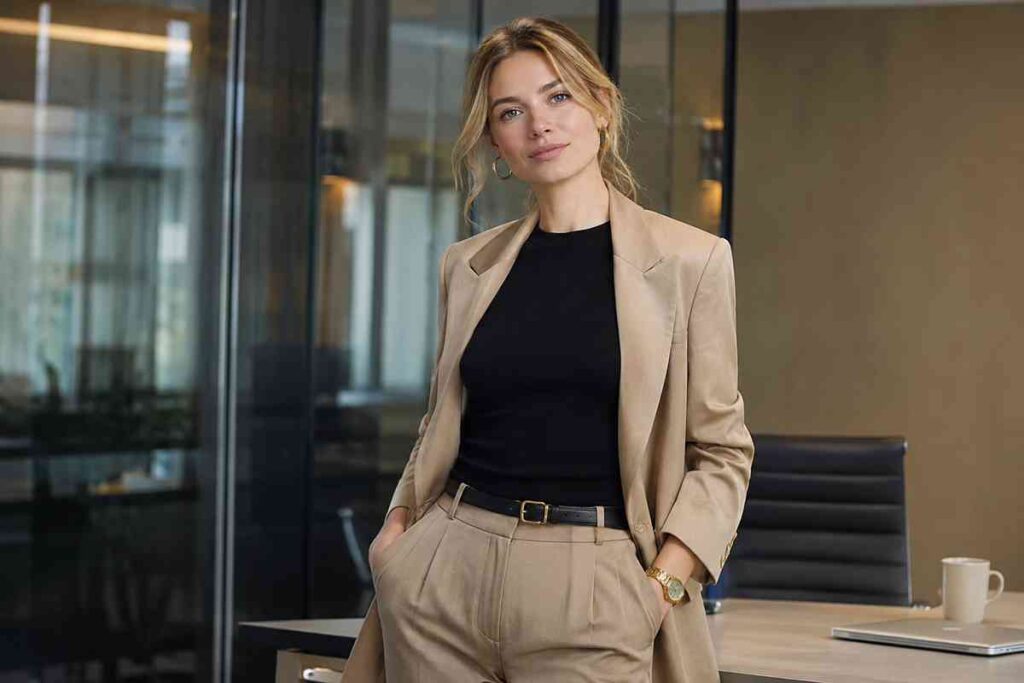
Work is trickier. If your office has a dress code, it may cover undergarments, so it’s worth knowing what it actually says. A structured top, a thicker knit, or a blazer over a cami keeps you comfortable and covered, though no outfit trick overrides a written policy. Nipple covers or a soft bralette are the easy middle ground for meetings and client days.
Where the Trend Is Heading
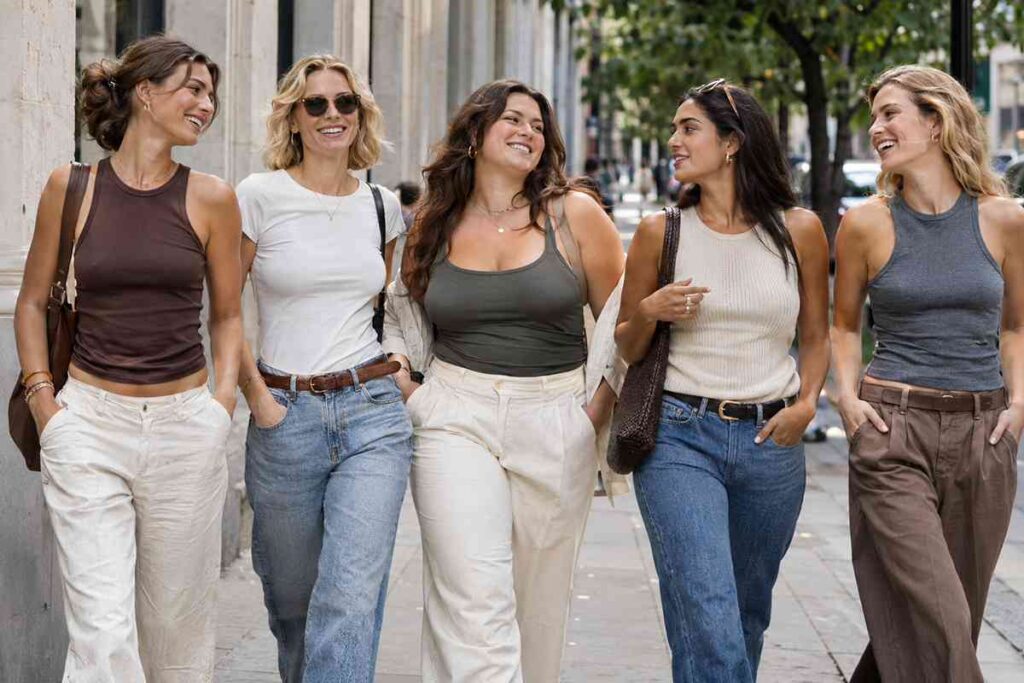
The trend has already changed what’s on the shelves. Wireless bralettes, tanks with built-in support, and reusable nipple covers now sit right next to the underwire bras in most lingerie sections. The gap is representation: runway braless looks still rarely feature women with larger busts, and that’s where the trend has the most room to grow.
The Bottom Line
For most women, going braless is a comfort and style choice. If you’re pregnant, nursing, recovering from breast surgery, or dealing with breast pain, ask your doctor what kind of support makes sense for you. Skip the bra when it feels good, reach for a sports bra when you’re running or jumping, and keep a bralette or a pair of nipple covers around for the days you want a little backup. Wear a bra every day, never, or somewhere in between. Whichever you pick, it’s the right call.