




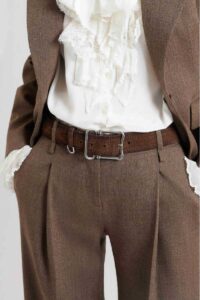

Dress Size Calculator
Enter your bust, waist, and hips. Pick your unit. Get a general starting size in US, UK, EU, AU, and international labels. Compare with the brand’s size chart before ordering.
Not sure what dress size to order? Enter your bust, waist, and hip measurements into the dress size calculator above. You’ll get an estimated size in US, UK, EU, AU, and international sizing. It’s a starting point, not a promise that every dress with that number will fit the same way.
How to use the dress size calculator
- Measure your bust, natural waist, and fullest hip circumference.
- Select inches or centimeters and enter all three numbers.
- Choose Calculate to see your estimated starting sizes.
- If your measurements fall into different bands, review the comparison table and check the specific dress’s sizing chart.
- Use Copy results to save the estimate while shopping.
The calculator uses a general ready-to-wear reference chart. It selects the largest of the three size bands as a conservative starting point for a fitted dress. That matters when, for example, your hips require more room than your waist. A loose A-line skirt, stretchy fabric, or a retailer’s own measurements may change which size works best.
US, UK, EU, and AU dress size conversion chart
| US | UK | EU | AU |
|---|---|---|---|
| 00 | 2 | 30 | 2 |
| 0 | 4 | 32 | 4 |
| 2 | 6 | 34 | 6 |
| 4 | 8 | 36 | 8 |
| 6 | 10 | 38 | 10 |
| 8 | 12 | 40 | 12 |
| 10 | 14 | 42 | 14 |
| 12 | 16 | 44 | 16 |
| 14 | 18 | 46 | 18 |
| 16 | 20 | 48 | 20 |
| 18 | 22 | 50 | 22 |
| 20 | 24 | 52 | 24 |
| 22 | 26 | 54 | 26 |
For a quick conversion, US 8 commonly corresponds to UK 12, EU 40, and AU 12. These are label equivalents, not universal body-measurement standards. Retailers may use different size charts, even when their labels look identical.
How to measure your bust, waist, and hips
Use a flexible measuring tape and stand naturally. Keep the tape level and close to the body without pulling it tight. If possible, ask someone to check that the tape is straight across your back.
- Bust: Measure around the fullest part of your bust. Wear the undergarment you expect to wear with the dress when that affects the fit.
- Waist: Find your natural waist, usually the crease when you bend gently to one side. Measure without holding your breath or pulling in your stomach.
- Hips: Stand with feet together and measure around the fullest part of your hips and seat.
- No measuring tape? Wrap a non-stretch string around the body, mark where it meets, and measure the marked length with a ruler.
Measure twice if one number seems unusual. You can enter either inches or centimeters, and changing the unit in the calculator converts the values already in the fields.
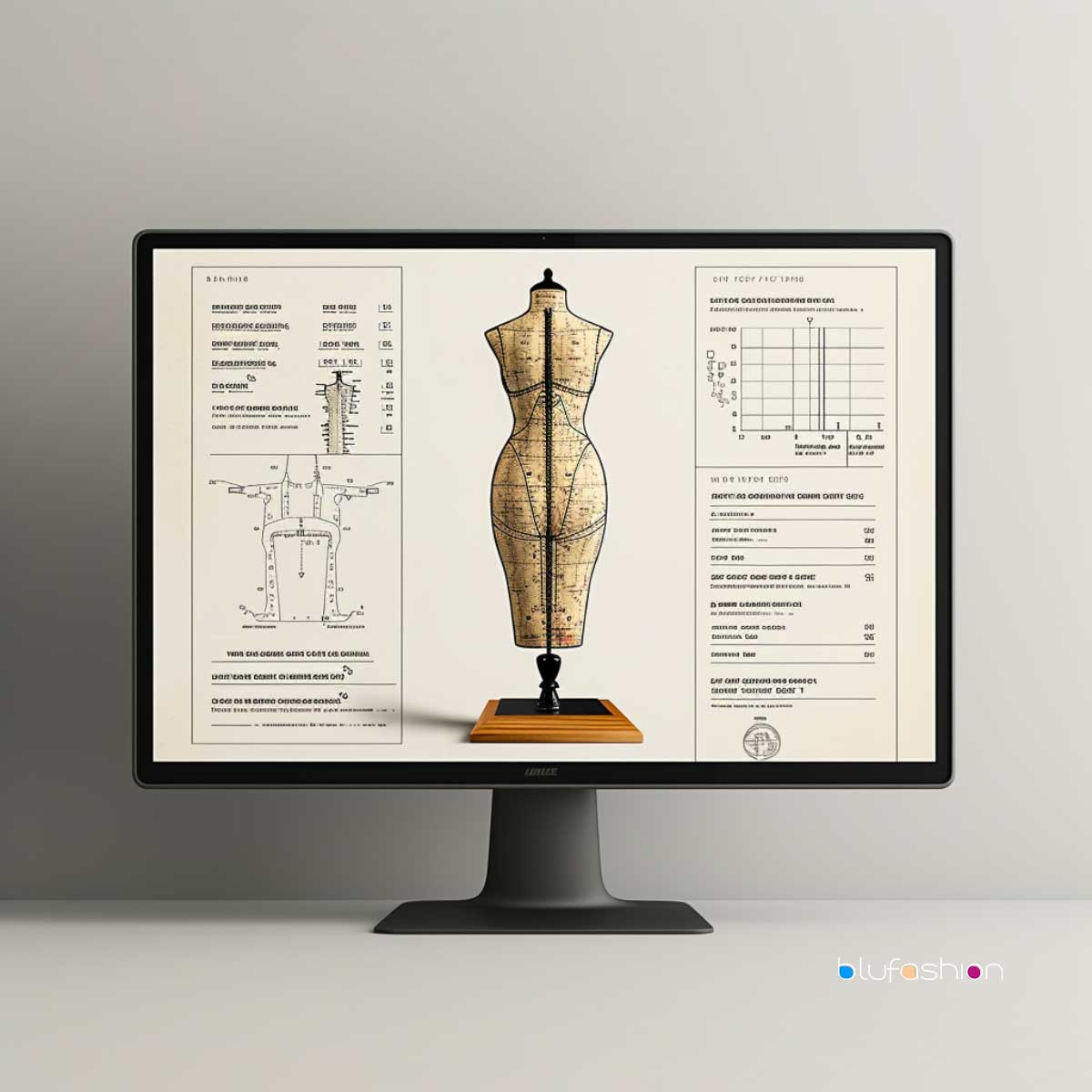
Dress size example using measurements
Suppose your bust measures 92 cm, your waist 74 cm, and your hips 100 cm. In this calculator’s reference bands, all three measurements correspond to a starting size of US 8, UK 12, EU 40, or AU 12. If you are buying a fitted dress, compare each measurement with the retailer’s chart before you order.
What if your bust, waist, and hips suggest different sizes?
That’s normal. A dress has to fit the parts of your body that its cut actually follows. The calculator chooses the largest measurement band as a cautious first estimate, but the right answer changes with the design.
- Fitted sheath or bodycon dress: Check bust, waist, and hips carefully. A restrictive area can make the whole dress uncomfortable.
- A-line or fit-and-flare dress: Bust and waist can be more decisive if the skirt has generous room through the hips.
- Structured or corset-style dress: Pay close attention to the bodice and waist, especially when the fabric has little stretch.
- Stretch knit or wrap dress: The garment may accommodate more variation, but check product-specific measurements and reviews.
When choosing between two sizes in a structured, non-stretch dress, the larger one can be easier to alter. If you must size up dramatically to fit one area, a different cut may fit better than tailoring.
Why your calculated size might differ from a brand’s chart
Women’s dress sizes are not standardized across every retailer. A label of US 8 can correspond to different body measurements depending on the brand, collection, and intended fit. Petite and tall styles adjust proportions as well as length, and specialty ranges may have their own charts.
For comparison, ASOS publishes dress measurements by bust, waist, and hips and separates its standard, petite, tall, and curve ranges. A chart from the brand you’re buying should take priority over any general calculator.
This tool is intended for general adult women’s ready-to-wear dresses. It does not calculate custom tailoring, maternity fit, or precise garment ease. The numbers stay in your browser while you use the tool. The calculator does not submit these measurements to a BluFashion server.
Dress length and fit are different questions
A dress can be the correct size around your body and still be too short, too long, or uncomfortable in the torso. Mini, knee-length, midi, and maxi describe where the hem falls, not your bust, waist, or hip size. Check the garment’s length measurement and the model’s height whenever those details are available.
Other sizing tools worth keeping handy
Once you have your dress measurements, convert sizes for other items with our international tool. If you’re checking how the dress sits across the bust, it may also help to find your bra size before deciding which undergarments to wear.
Dress size calculator FAQs
How do I know my dress size?
Measure your bust, waist, and hips, enter those figures in the calculator, and use the result as an initial size to compare with the retailer’s body-measurement chart.
What is a US 8 dress size in the UK and EU?
US 8 is commonly equivalent to UK 12 and EU 40, although the body measurements behind those labels differ by retailer.
Is a dress size calculator accurate?
It can give you a useful starting point, but it cannot guarantee fit. Measurements, brand sizing, dress construction, and fabric stretch all affect the final result.
Should I size up if my waist and hips are different sizes?
For a fitted dress without stretch, choose a size that accommodates the area requiring the most room. For an A-line dress with a loose skirt, you may be able to prioritize bust and waist measurements instead.
Can I use this calculator for skirts or tops?
Only as a rough reference. Tops and skirts have different fit priorities, so use the specific garment’s chart when shopping.


