
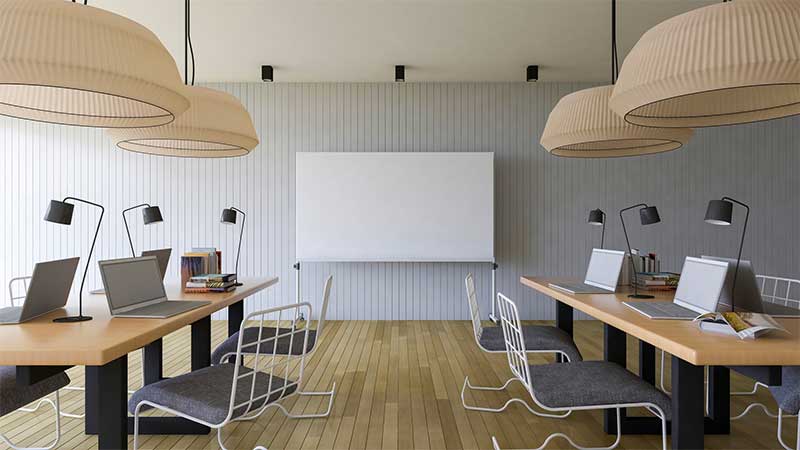
Creating an environment conducive to learning is essential for students to reach their full potential. While many factors contribute to a successful learning environment, one often overlooked aspect is classroom acoustic design. The impact of noise and poor acoustics on student focus and concentration cannot be overstated. Research has shown that excessive noise levels in classrooms can lead to decreased academic performance, increased stress levels, and even long-term hearing damage. Therefore, it is crucial for educators and school administrators to prioritize effective classroom acoustic design to optimize student learning outcomes.
The Impact of Noise on Student Focus and Concentration
Noise pollution in classrooms has become a significant concern in recent years. With the introduction of open-plan learning spaces and larger class sizes, background noise levels have risen, making it harder for students to concentrate. Unwanted noise can interfere with a student’s ability to process information, leading to reduced comprehension, attention, and memory retention. Moreover, excessive noise levels can cause stress and fatigue, both of which have a detrimental impact on learning.
The Role of Classroom Acoustic Design
Classroom acoustic design refers to the intentional arrangement of materials and architectural features to optimize sound quality and reduce unwanted noise. It involves considering factors such as room shape, surface materials, sound-absorbing materials, and sound insulation.
The goal of classroom acoustic design is to create an environment that enhances communication and learning by minimizing distractions and ensuring that speech, music, and other sounds are clear and intelligible. One important consideration is the room shape, as certain shapes can cause sound to bounce around and create echoes or reverberation. Rectangular or square-shaped rooms are generally preferred, as they provide a more even distribution of sound.
Surface materials also play a crucial role in classroom acoustics. Hard, reflective surfaces like concrete or tile can cause sound to bounce around and create a noisy environment. On the other hand, soft, sound-absorbing materials like acoustic panels or curtains can help to reduce reflections and absorb excess sound energy. These materials can be strategically placed on walls, ceilings, and floors to create a more acoustically balanced space. You can design classroom acoustics with the help of experts such as Environoise who can identify the best materials and also design a classroom that will provide the most sound absorption and reduce noise levels.
Best Practices for Effective Classroom Acoustic Design
When designing or renovating classrooms, several best practices can be implemented to improve acoustic conditions:
1. Use sound-absorbing materials: Incorporate materials such as acoustic panels, curtains, or carpets that can help absorb sound waves and reduce reverberation in the classroom. This can help minimize background noise and improve speech intelligibility.
2. Strategic placement of furniture: Arrange desks and other furniture in a way that promotes better sound distribution and reduces echo. Avoid blocking sound-absorbing surfaces and ensure that there is adequate spacing between students to prevent sound reflection.
3. Consider ceiling design: Opt for suspended ceilings that have sound-absorbing properties. These can help reduce noise levels in the classroom by absorbing sound waves and preventing them from bouncing off hard surfaces.
4. Install soundproof windows and doors: Use windows and doors that have soundproofing capabilities to minimize noise transfer from outside the classroom. This can help create a quieter learning environment and enhance concentration levels.
5. Acoustic treatment in HVAC systems: Ensure that the heating, ventilation, and air conditioning (HVAC) systems are designed to minimize noise levels. This can be achieved by using sound-dampening materials in the ductwork or installing silencers to reduce the noise generated by the system.
6. Implement classroom layout considerations: When designing the layout of the classroom, consider factors such as the distance between the teacher and students, the positioning of the whiteboard or screen, and the placement of speakers or audio equipment. These considerations can help optimize sound distribution and improve communication within the classroom.
The Benefits of Effective Classroom Acoustic Design
Implementing effective classroom acoustic design can have numerous benefits for both students and teachers:
1. Improved Speech Intelligibility: A well-designed acoustic environment ensures that students can clearly hear and understand the teacher’s instructions, which is crucial for effective learning. It reduces the strain on students’ listening abilities and minimizes the chances of miscommunication.
2. Enhanced Concentration: Excessive background noise can be distracting and impede students’ ability to concentrate. By reducing noise levels through acoustic design, students can focus better on their tasks and remain engaged in the learning process.
3. Reduced Teacher Vocal Strain: In classrooms with poor acoustics, teachers often have to strain their voices to be heard, leading to vocal fatigue and potential voice disorders. Implementing acoustic design measures, such as sound-absorbing materials, can alleviate this strain, allowing teachers to deliver their lessons comfortably.
4. Improved Classroom Management: When students can clearly hear the teacher’s instructions, there is less confusion and disruption in the classroom. This leads to better classroom management and a more conducive learning environment.
5. Increased Student Participation: In classrooms with good acoustics, students are more likely to actively participate in discussions and ask questions. They feel confident that their voices will be heard and valued, which promotes a collaborative learning atmosphere.
6. Enhanced Learning Outcomes: Effective classroom acoustic design has been linked to improved academic performance and learning outcomes. When students can hear and understand the material being presented, they are more likely to retain information and achieve better results.
Conclusion
Creating an optimal learning environment requires careful attention to all aspects of classroom design, including acoustics. By implementing effective classroom acoustic design strategies, educators can significantly improve student focus, concentration, and academic performance. Prioritizing noise reduction, controlling reverberation, and utilizing sound-absorbing materials are key to creating a conducive learning environment that fosters student success. As educators and school administrators, it is our responsibility to ensure that the physical learning environment supports and enhances student learning outcomes.
- About the Author
- Latest Posts

I’m Iskra Banović, editor of Blufashion and the voice behind its fashion, beauty, and lifestyle stories. Fashion, beauty, and lifestyle are my playground, but I’m just as likely to share the messy side of it all, like the time I tested a “must-have” skincare gadget and ended up with glitter stuck in my hair. I love turning trends and everyday finds into something useful (and fun) for real people.