





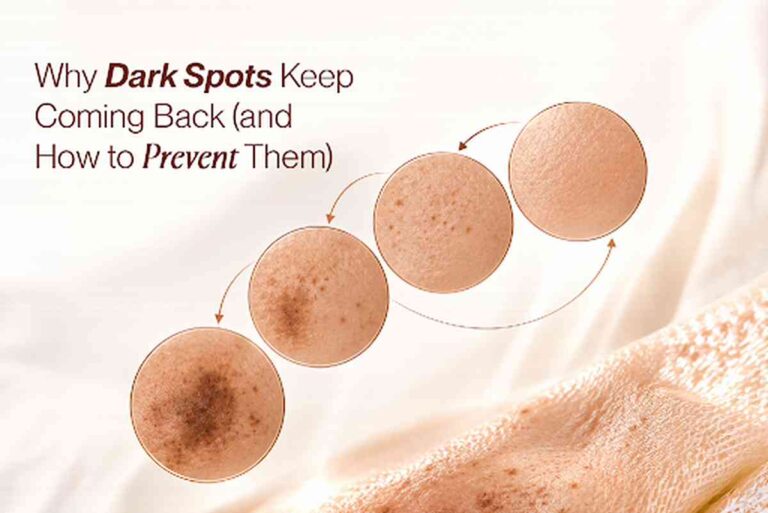
You finally fade that stubborn dark spot on your face. Then summer rolls around, or a breakout shows up, and it is back. Annoying, right?
If that sounds familiar, you’re not alone. Fading existing pigmentation and preventing new dark spots are two different challenges. If the triggers behind discoloration remain, those spots can become noticeable again.
The good news? Understanding what causes them is the first step toward building a routine that helps your skin look more even over time.
So, what causes dark spots?
Your skin naturally produces melanin, the pigment responsible for your skin tone. When your skin responds to inflammation, hormonal changes, or sun exposure, it can produce excess pigment in certain areas. The result? Visible dark spots on your face.
That’s why dark spots after acne are so common. The acne heals, but the inflammation can leave a mark behind. Dermatologists call this post-inflammatory hyperpigmentation (PIH). These marks can be especially noticeable and persistent in medium to deep skin tones.
Why Do Dark Spots Keep Coming Back?
Here’s the part many people miss: fading a spot doesn’t necessarily eliminate the triggers behind it. A few common factors can contribute to recurring discoloration.
Sun exposure: UV rays can stimulate melanin production, making existing spots darker and encouraging new ones. Visible light can also worsen certain types of pigmentation.
Inflammation: Breakouts, skin irritation, and overly aggressive skincare treatments can leave discoloration behind, even after the original problem has healed.
Hormonal changes: Conditions such as melasma can be influenced by hormonal changes and may become more noticeable with sun exposure.
This explains why a spot might fade with a brightening product but later become visible again. Managing the underlying triggers is just as important as treating the discoloration you can already see.
How to Prevent Dark Spots From Coming Back
Fading is only half the job. Here’s how to prevent dark spots from coming back once they’ve lightened.
Wear sunscreen every day. Use broad-spectrum SPF 30 or higher, rain or shine. Reapply about every two hours when outdoors and after swimming or sweating. If you’re prone to melasma or persistent pigmentation, a tinted sunscreen containing iron oxides may also help protect against visible light.
Keep your routine gentle. More exfoliation doesn’t necessarily mean better results. Harsh scrubs and excessive use of active ingredients can irritate your skin and contribute to discoloration. Choose products that suit your skin, introduce new treatments gradually, and avoid picking or popping pimples.
Address the underlying trigger. If acne repeatedly leaves marks, managing breakouts is important. If sun exposure worsens your pigmentation, consistent sun protection should be part of your routine alongside any brightening products.
How to Get Rid of Dark Spots Without Irritating Your Skin
When researching how to get rid of dark spots, it’s easy to expect quick results. In reality, pigmentation often takes weeks or months to improve, and aggressive treatments can sometimes make it worse.
Ingredients such as tranexamic acid and alpha-arbutin target processes involved in excess pigmentation. Niacinamide helps limit pigment transfer into visible surface skin cells, while antioxidants provide support against oxidative stress. Phytic acid can help refine the skin’s surface.
A suitable dark spot treatment should fit into a routine your skin can tolerate. Introduce products gradually, follow their directions, and give them time to work. If you experience persistent burning, redness, or peeling, stop using the product.
What to Look for in Dark Spot Products
When comparing products, look beyond bold claims and consider how the ingredients work together.
Bright Aura, for example, combines tranexamic acid, alpha-arbutin, and niacinamide with MELAPHAGIN™, a blend featuring andrographis leaf, chicory root, and turmeric root. Its formula also includes rainbow algae, ferulic acid, and pomegranate for antioxidant support, alongside phytic acid for surface refinement.
These ingredients are designed to support a more even-looking complexion through different approaches to pigmentation and skin care. Results vary, and daily sunscreen remains essential for helping prevent UV-related discoloration.
The Bottom Line
Dark spots can become noticeable again when triggers such as sun exposure, acne-related inflammation, or hormonal changes persist. Protect your skin daily, be patient, and choose products suited to your skin’s needs. Consistency matters more than constantly switching treatments.
Frequently Asked Questions
Why do dark spots keep coming back after treatment?
Sun exposure, inflammation, and hormonal changes can contribute to recurring pigmentation. Treatment may improve existing spots without eliminating the triggers behind them.
How long does it take for dark spots to fade?
Some superficial marks improve over several weeks, while persistent pigmentation may take months or longer. Results depend on the cause, skin tone, and treatment used.
Can sunscreen help prevent dark spots from returning?
Yes. Daily broad-spectrum sunscreen helps reduce UV-related pigmentation and can prevent existing spots from becoming darker, although it cannot prevent every cause of discoloration.
What helps fade dark spots after acne?
Managing breakouts, avoiding picking, using gentle skincare, applying sunscreen, and choosing suitable brightening ingredients can help improve post-acne discoloration.
Can skincare products permanently prevent dark spots?
No product can guarantee that dark spots will never return. Consistent skincare and sun protection can help manage common triggers, but persistent pigmentation may benefit from a dermatologist’s guidance.