Clear communication is crucial to avoid costly mistakes that occur in emergency response, construction sites, event management, and warehouse operations when high-stress situations arise. In such high-stakes environments, walkie talkies can offer an efficient and reliable communication tool. However, the value of these devices heavily depends on the training of the people who use them.
When teams are well-trained in the use of two-way radios, communication in high-pressure situations becomes swift and accurate, backlogs are eliminated, the lives of workers are protected, and control of the organization is maintained.
Establish Foundational Communication Protocols
A shared communication framework is the foundation for radio use and comprises standard call signs, channel assignments, and designations, which help prevent communication breakdowns when things get intense.
Well-defined protocols permit users to send their messages quickly, eliminating hesitation and misinterpretations. The hierarchy of priority messages is also a part of the standardization, ensuring that critical updates get to the right people without any delay or interference.
Practice Concise and Purposeful Messaging
Radio communication is most effective when messages are short, clear-cut and straight to the point. Long explanations or informal language can lead to misinterpretation or delay. In high-pressure situations, direct orders, precise locations and urgent updates don’t allow any wiggle room for confusion.
To combat overlapping transmissions and to make two-way radio communication smoother, teams can train to speak slowly, pause momentarily before responding, and not interrupt other users.
Simulate Real-World Scenarios
Training courses can also teach radio-specific lingo and structured message patterns to make sure that the recipient gets the message instantly, reducing communication errors. Simulations throw you into the kinds of real-world problems that you’ll face on the job, such as noise, distraction, time pressure, or rapidly changing conditions.
Simulations are the best way to learn how to stay cool under pressure, cut through communication breakdowns and zero in on problems that are crippling your workflow or radio protocols. Learned responses in training sessions soon become second nature in the field.
Reinforce Equipment Familiarity and Maintenance
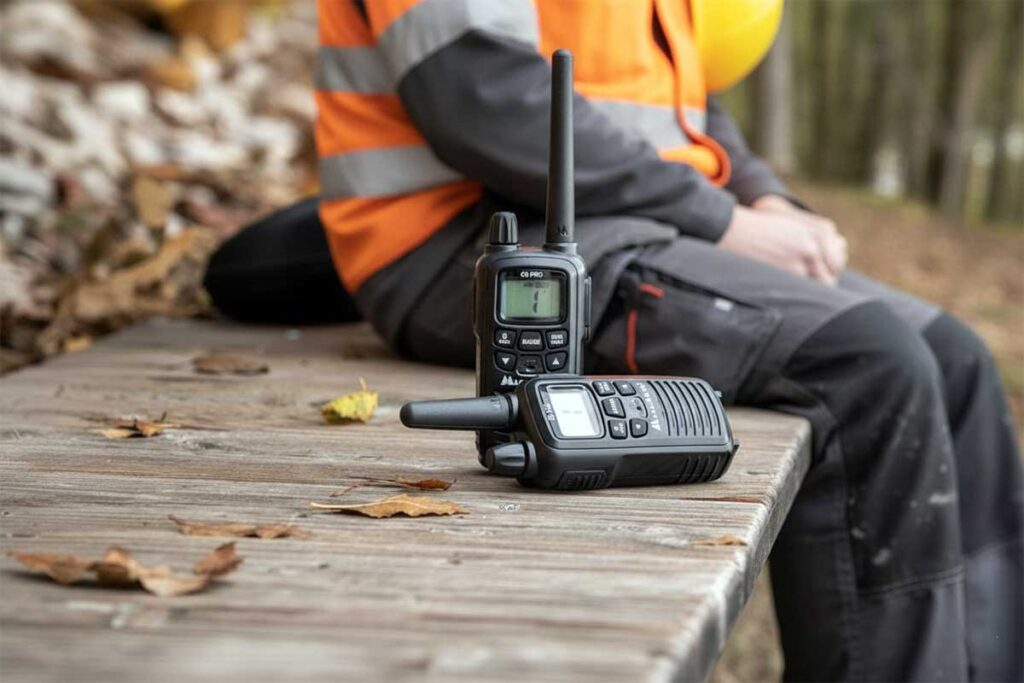
No amount of training can cover for a malfunctioning piece of equipment, and that’s why teams need to know exactly how to turn their two-way radio on and off, change channels, adjust the volume and troubleshoot the most common problems.
Familiarity breeds confidence and reduces hesitation when the stakes are high. Regular maintenance training makes sure that radios stay up and running even when you’re on the go, preventing breakdowns and reassuring team members that they can count on their equipment to get them through the day.
Encourage Calm, Controlled Communication Habits
Staying calm and in control is also a crucial aspect of using handheld radios effectively, as stress can cause voices to rise, speech rate to increase and messages to get emotional. Teams that are trained to be calm, professional and articulate are the ones that can slice through even the most high-pressure situation.
Prepared Teams Can Use Their Two-Way Radio with Efficiency and Confidence
In high-pressure environments walkie talkies are crucial, but only properly trained teams can unlock their full potential. The techniques mentioned in today’s guide are the building blocks to equipping to make the right decisions when faced with stress. Effective radio training is the foundation of these tactics and transforms potentially high-pressure situations by ensuring clear and well-coordinated messaging.
- About the Author
- Latest Posts

I’m Iskra Banović, editor of Blufashion and the voice behind its fashion, beauty, and lifestyle stories. Fashion, beauty, and lifestyle are my playground, but I’m just as likely to share the messy side of it all, like the time I tested a “must-have” skincare gadget and ended up with glitter stuck in my hair. I love turning trends and everyday finds into something useful (and fun) for real people.