



Buying jewelry should be fun. And sometimes it is, right up until you’re comparing two diamond rings that look almost identical but have wildly different prices.
One retailer promises exceptional craftsmanship. Another talks about responsibly sourced diamonds. A third keeps reminding you that everything is 40% off, which sounds wonderful until you start wondering what the original price really meant.
So, where should you actually shop?
Some of the best jewelry stores in the US include Blue Nile, Borsheims, Brilliant Earth, Tiffany & Co., Harry Winston, Cartier, Zales, Kay Jewelers, Nordstrom and Mejuri. Each appeals to a different kind of shopper, from someone comparing engagement ring diamonds to someone looking for gold hoops they’ll wear every day.
For this guide, I’ve compared ten established jewelry retailers based on their specialties, product selection, shopping experience, published policies and overall positioning. This is an editorial buying guide, not a claim that we anonymously purchased and tested jewelry from every store.
My biggest piece of advice? Don’t shop for a diamond engagement ring the same way you’d shop for everyday earrings. The details that matter, and the stores best equipped to help, can be very different.
30-Second Summary: Which Jewelry Store Should You Choose?
Short on time? Here’s where I’d start, depending on what you’re shopping for:
- Best for engagement rings: Blue Nile, especially if you want to compare diamonds, settings, and prices online.
- Best for personalized service: Borsheims, with custom jewelry, repairs, and ongoing care.
- Best for modern bridal jewelry: Brilliant Earth, particularly for contemporary designs and lab-grown diamonds.
- Best for luxury gifts: Tiffany & Co. for its iconic designs and memorable presentation.
- Best for designer jewelry: Cartier, especially its recognizable Love and Juste un Clou collections.
- Best for exceptional high jewelry: Harry Winston, if you’re shopping with a substantial budget.
- Best for everyday fine jewelry: Mejuri, for wearable gold hoops, necklaces, and stacking rings.
- Best for shopping multiple brands: Nordstrom, with a mix of jewelry designers and price points.
- Best for convenient in-store shopping: Zales or Kay Jewelers, particularly for gifts and traditional jewelry shopping.
My advice: Start with the type of jewelry you want, not the most famous store. For expensive purchases, compare materials, diamond reports, final prices, and return policies before deciding.
Quick Comparison: Best Jewelry Stores in the US
| Jewelry store | Best for | What to consider |
|---|---|---|
| Blue Nile | Engagement rings and diamond comparison | Check diamond reports and custom-order exclusions |
| Borsheims | Fine jewelry and personalized service | In-person shopping is centered in Omaha |
| Brilliant Earth | Modern bridal jewelry and sourcing-conscious shoppers | Examine specific sourcing claims and pricing |
| Tiffany & Co. | Iconic luxury gifts | Significant brand premium |
| Harry Winston | Exceptional high jewelry | Ultra-luxury pricing |
| Cartier | Recognizable designer jewelry | Luxury pricing and collection-specific policies |
| Zales | Accessible jewelry and in-store browsing | Compare specifications beyond sale prices |
| Kay Jewelers | Convenient traditional jewelry shopping | Compare financing and protection-plan costs |
| Nordstrom | Multi-brand jewelry shopping | Materials and policies vary by product |
| Mejuri | Modern everyday fine jewelry | Check solid gold versus vermeil and plated materials |
These are editorial recommendations based on each retailer’s strengths. They aren’t numerical quality rankings from a controlled head-to-head product test.
Jump to a Jewelry Store
- Blue Nile
- Borsheims
- Brilliant Earth
- Tiffany & Co.
- Harry Winston
- Cartier
- Zales
- Kay Jewelers
- Nordstrom
- Mejuri
How We Evaluated These Jewelry Stores
I wanted this guide to go beyond recognizable names. A good jewelry shopping experience should help you understand what you’re paying for, not leave you dazzled by showroom lighting and unsure of the details.
Here are the factors I considered:
- Selection: Whether the retailer offers suitable choices for its target customers.
- Materials and quality information: Clear descriptions of metals, gemstones and diamond grading.
- Price positioning: Whether the retailer focuses on value, mid-market shopping or luxury.
- Customization: Ring settings, stone selection, engraving and made-to-order options.
- Customer experience: Online tools, showrooms and access to knowledgeable assistance.
- Returns and aftercare: Published exclusions, resizing options, repairs and warranties.
- Brand reputation: Established history and the type of customer each retailer serves.
These factors help explain who each store suits. They don’t prove that one jeweler has better craftsmanship or lower prices on every comparable item.
And if terms like diamond clarity, gold vermeil and pavé settings start sounding like another language, our jewelry glossary is a useful companion.
The 10 Best Jewelry Stores in the US for Different Shopping Needs
1. Blue Nile: Best Overall Starting Point for Diamond Shopping
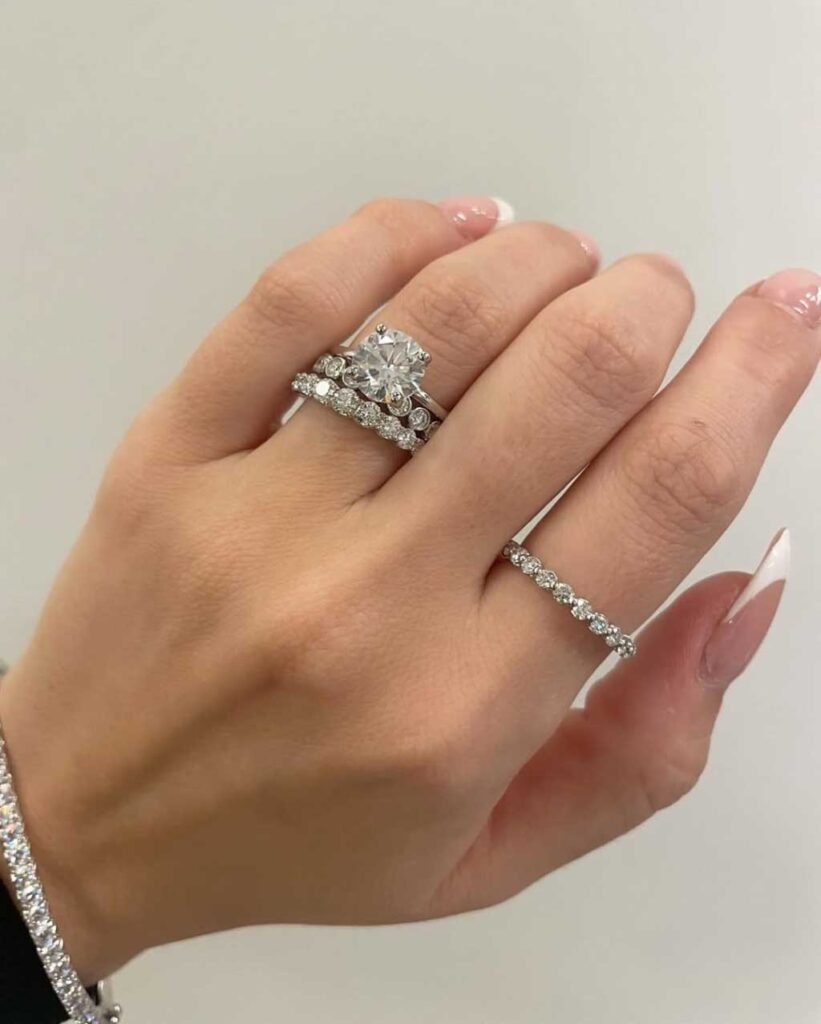
If you’re shopping for an engagement ring or loose diamond, Blue Nile would be one of the first places I’d research.
The appeal is being able to compare individual diamonds, examine grading information and explore settings without relying entirely on a salesperson’s recommendations.
That kind of transparency is particularly useful when you’re making an expensive purchase for the first time.
Blue Nile also became more significant in 2026 when James Allen, another well-known online diamond retailer, transitioned into its business.
According to parent company Signet Jewelers, James Allen became a proprietary collection within Blue Nile in May 2026, rather than continuing as a separate online jewelry retailer.
So, if you’ve seen older comparisons recommending Blue Nile and James Allen as two independent shopping destinations, keep that change in mind.
Still, a large diamond inventory doesn’t automatically mean the best deal.
Two diamonds with similar grades can look different in person, and the setting can add considerably to the final price.
Blue Nile generally allows eligible unworn purchases to be returned within 30 days of shipment. However, engraved, personalized, customized, final-sale and certain altered items may be excluded.
Best for: Diamond engagement rings, loose diamonds, wedding bands and shoppers who enjoy comparing specifications.
What makes it worth considering: Diamond search tools, broad selection and detailed product information.
What I’d check: The diamond grading report, full ring cost, return eligibility and resizing options.
When I’d look elsewhere: If you prefer trying on jewelry before buying or want a highly personalized, face-to-face shopping experience, I’d also consider a traditional jeweler. Blue Nile is particularly useful for diamond comparison, but it won’t necessarily be the best fit for someone who wants hands-on guidance throughout the purchase.
2. Borsheims: Best for Fine Jewelry and Personalized Service
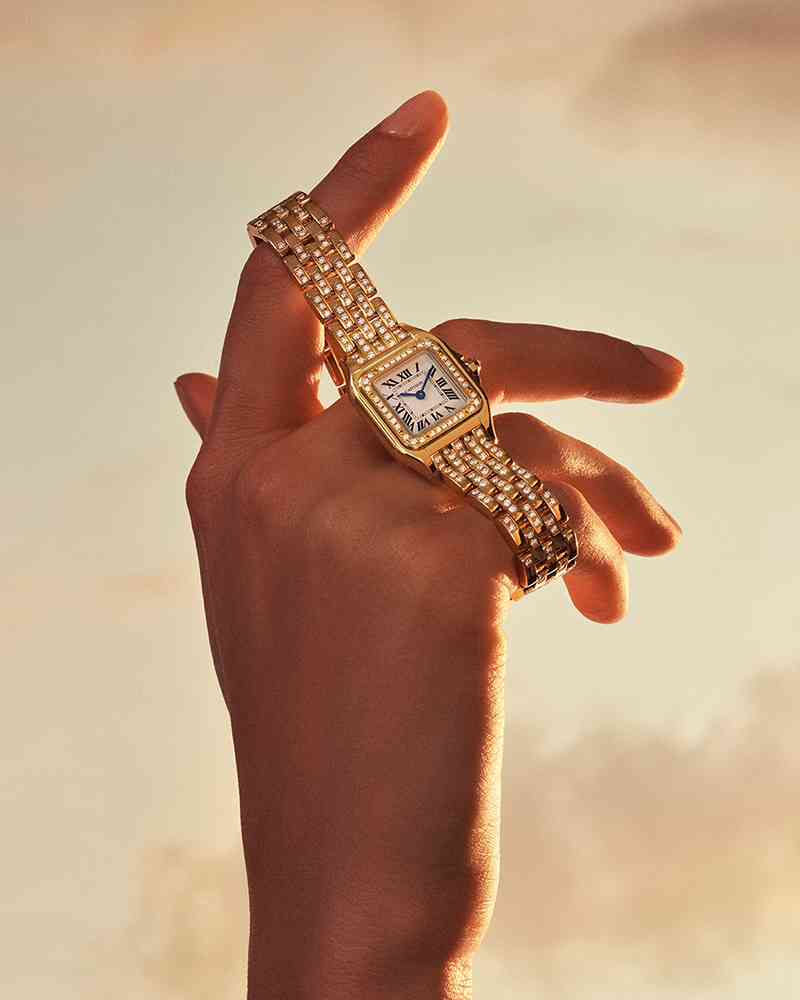
If Blue Nile represents the technology-driven side of diamond shopping, Borsheims offers a more traditional fine-jewelry experience.
Founded in Omaha, Nebraska, in 1870, Borsheims is a well-established American jeweler known for fine jewelry, engagement rings, luxury watches and personalized customer service.
What makes Borsheims particularly interesting is the range of services available beyond the original purchase.
The company offers jewelry repairs, custom design, engraving, resizing, cleaning and appraisal services.
And those details matter more than you might expect.
Buying an engagement ring isn’t always the end of the relationship with a jeweler. You might need the ring resized, cleaned, repaired or inspected years later.
Borsheims also offers specific benefits for qualifying engagement ring purchases, including complimentary cleaning, one resizing within the applicable conditions, and certain polishing and wedding-band services.
Its published standard return policy is another point worth considering. Eligible jewelry and gift items returned in original condition within 90 days generally qualify for a refund, less shipping costs. Watches have different rules, and final-sale items are excluded.
That’s a useful policy to compare, particularly when you’re buying a gift and want a little more time to make sure it’s right.
The main limitation is location.
Although Borsheims sells jewelry online, its physical retail experience is centered around its Omaha store. It isn’t a nationwide chain with a showroom in every major shopping center.
For someone who values attentive service, established craftsmanship and ongoing jewelry care, though, it’s well worth researching.
Best for: Fine jewelry, engagement rings, luxury gifts and shoppers who appreciate personalized assistance.
What makes it worth considering: A long-established retailer with custom jewelry services, in-house repairs and a published 90-day standard jewelry return policy.
What I’d check: Availability of the particular item, custom-order conditions, shipping arrangements and which aftercare services require an in-person visit.
When I’d look elsewhere: If you want to visit several local showrooms or need convenient access to in-person services outside Nebraska, Borsheims may not be the most practical choice. Its personalized approach is appealing, but shoppers who live far from Omaha should check which services can be handled remotely.
3. Brilliant Earth: Best for Modern Bridal Designs and Sourcing-Conscious Shoppers
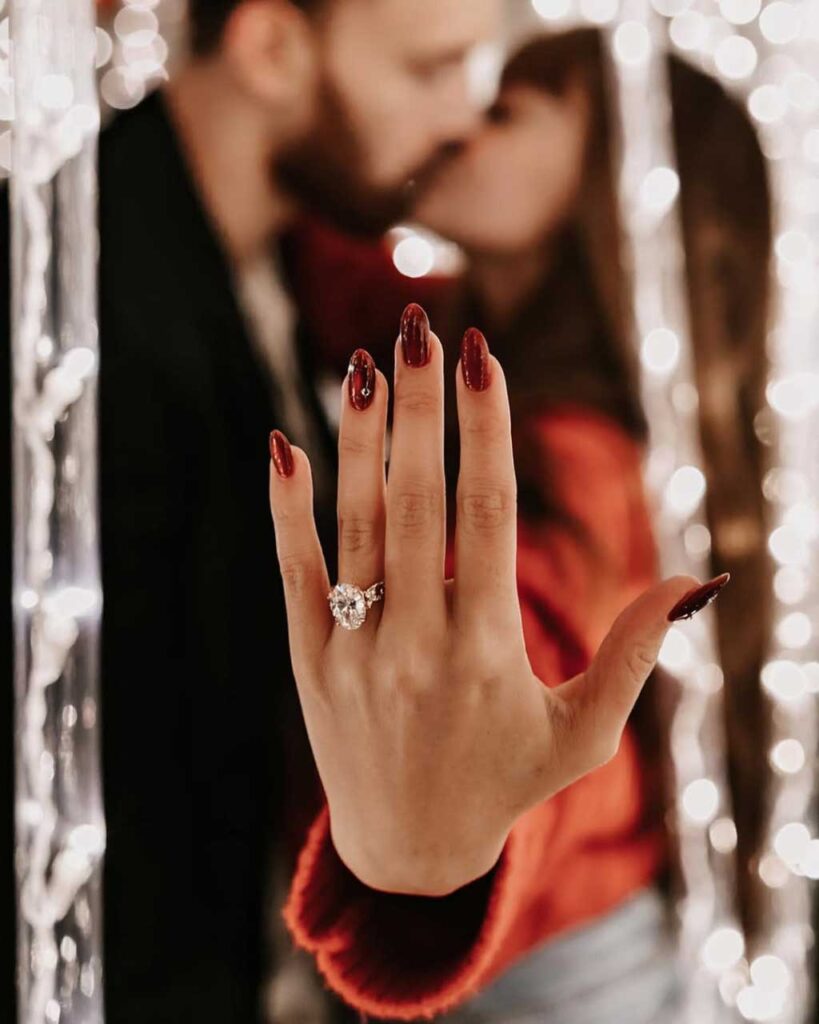
Brilliant Earth has a particularly recognizable approach to engagement jewelry.
The brand emphasizes contemporary settings, customization and sourcing-related information, making it an appealing option for people who want something more personal than a conventional solitaire.
It’s also worth comparing if you’re interested in lab-grown diamonds or alternative center stones.
But I’d be cautious with the word “ethical.”
No jewelry purchase becomes automatically sustainable because the marketing uses that language. Mining, manufacturing, energy use and labor conditions involve complicated supply chains.
Ask what the retailer can document about the particular stone or piece you’re considering, rather than assuming every product has the same sourcing history.
Brilliant Earth may not be the least expensive option for a comparable diamond, but its design choices and consultation experience can still justify considering it.
Best for: Modern engagement rings, custom bridal settings, lab-grown diamond options and shoppers interested in sourcing information.
What makes it worth considering: Contemporary designs, customization and an emphasis on sourcing transparency.
What I’d check: The specific stone’s documentation, final price and policies for customized jewelry.
When I’d look elsewhere: If getting the lowest possible price for a particular diamond is your main priority, I’d compare Brilliant Earth with other diamond specialists before ordering. Its modern designs and sourcing-focused approach are appealing, but those features don’t automatically make it the best-value option for every stone.
4. Tiffany & Co.: Best for Classic Luxury and Memorable Gifts
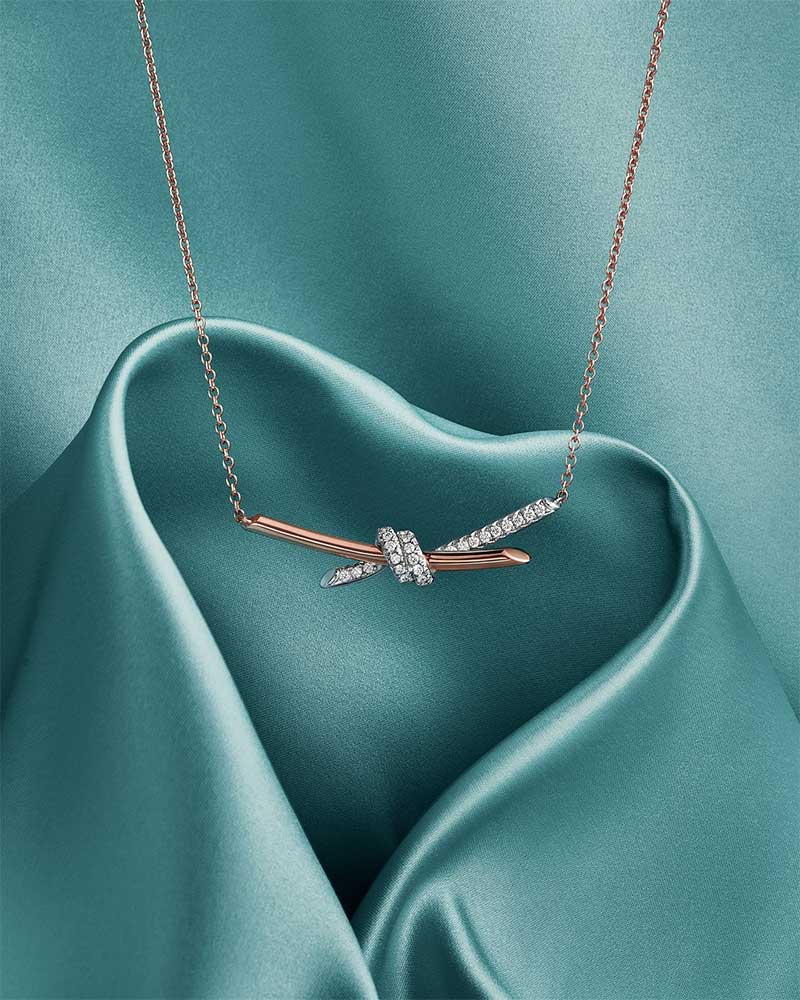
Some jewelry purchases are about getting the best material specifications for the money. Others are about the feeling attached to the gift.
Tiffany belongs firmly in that second conversation.
The heritage, design identity and unmistakable blue packaging are part of what customers are paying for.
And that’s fine, provided you know it.
I wouldn’t recommend Tiffany as the automatic winner for someone seeking the largest possible diamond on a limited budget.
But if the recipient loves the brand, or you’re buying a special piece from an iconic collection, the experience can be part of the value.
Best for: Anniversary gifts, signature fine jewelry, luxury engagement rings and milestone purchases.
What makes it worth considering: Recognizable designs, luxury presentation and an established reputation.
What I’d check: Metal and gemstone specifications, personalization policies and after-purchase services.
When I’d look elsewhere: If you’re primarily interested in maximizing diamond size, gold weight, or gemstone quality for a fixed budget, Tiffany probably wouldn’t be my first stop. A substantial part of its appeal comes from the brand’s heritage, signature designs, and luxury experience.
5. Harry Winston: Best for High Jewelry and Exceptional Diamond Pieces
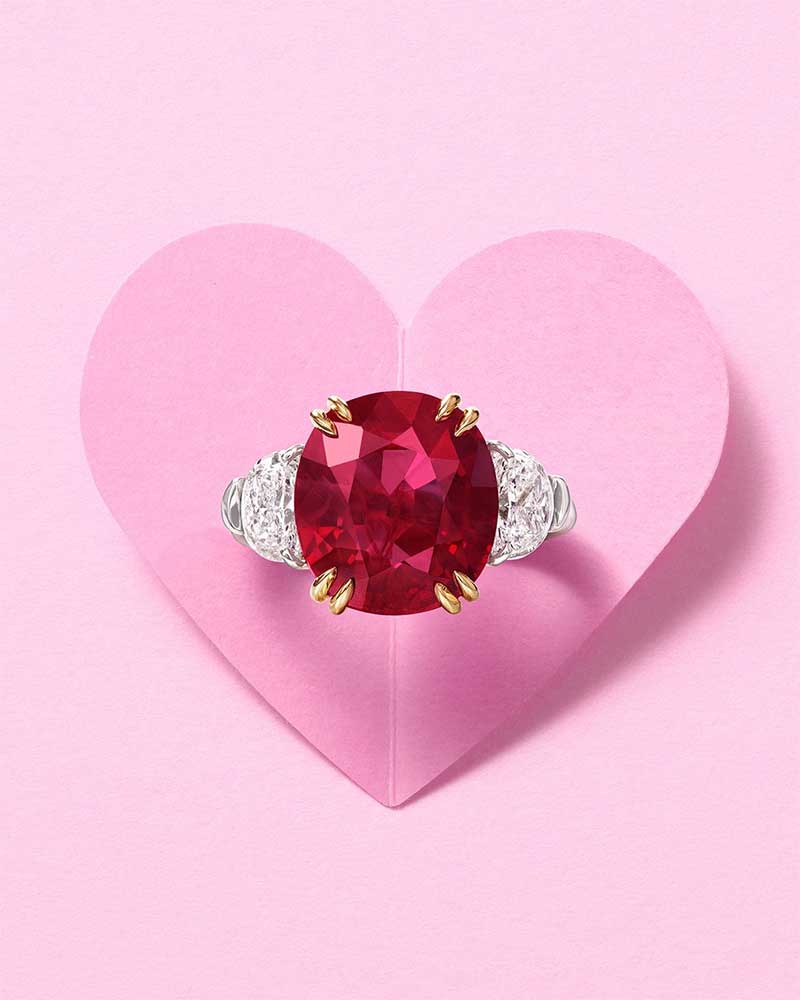
Harry Winston isn’t competing for the customer who wants a reasonably priced pair of gold hoops.
Its reputation is built around exceptional diamonds, high jewelry and a luxury experience that operates at an entirely different price level from mainstream retail.
For someone shopping with a substantial budget, Harry Winston belongs in the conversation.
For most people, it’s more useful as a reference point for fine diamond craftsmanship and high-jewelry design than as an everyday shopping destination.
I’d also avoid treating expensive jewelry as an automatically profitable investment. Brand prestige and high purchase prices don’t guarantee what a piece will fetch if you decide to sell it.
Best for: Exceptional diamond jewelry, major celebrations and ultra-luxury purchases.
What makes it worth considering: Diamond heritage, high-jewelry craftsmanship and exclusive designs.
What I’d check: Stone documentation, servicing, insurance and purchase-specific terms.
When I’d look elsewhere: For everyday jewelry, affordable gifts, or a modest engagement ring budget, Harry Winston is probably more luxury than you need. Its appeal lies in exceptional diamonds and high jewelry, rather than accessible pieces for regular wear.
6. Cartier: Best for Recognizable Designer Jewelry
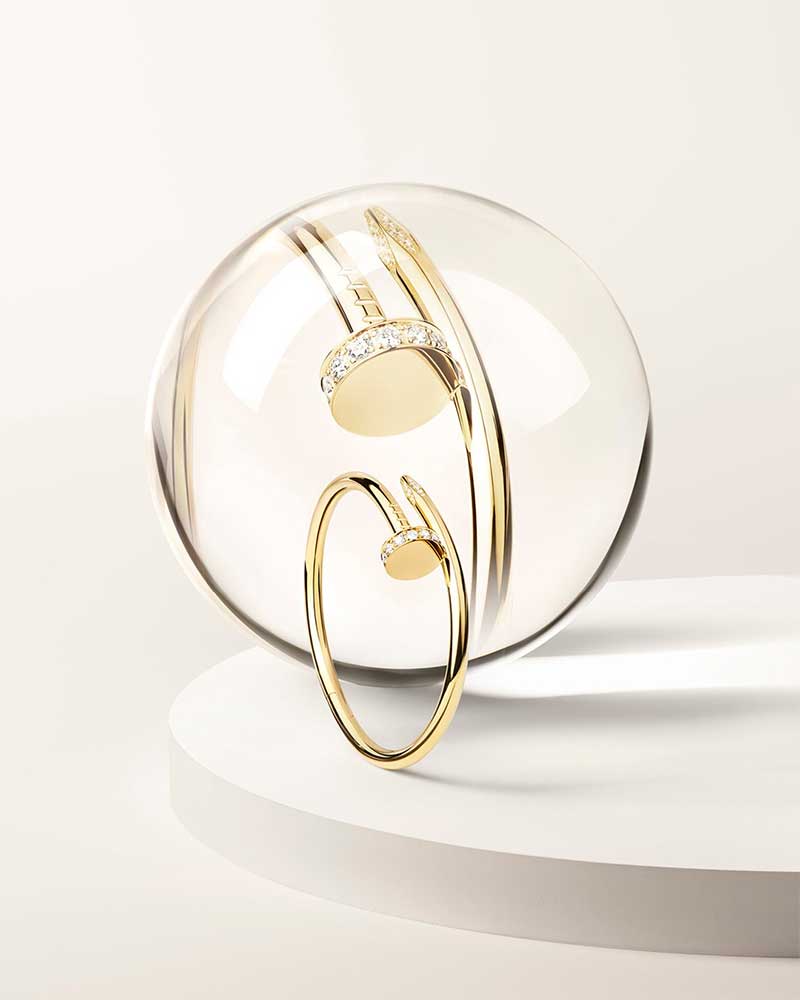
Some jewelry is recognizable before you even see the logo.
Cartier has mastered that kind of design identity.
Collections such as Love and Juste un Clou appeal to shoppers who want something distinctive, polished and closely associated with the house’s heritage.
I’d look at Cartier when the design itself is the reason for buying, rather than simply the weight of gold or size of a gemstone.
But remember that recognizable branding comes with a premium.
Also, not every iconic jewelry piece will appreciate in resale value. Condition, authenticity, demand and selling fees can make a considerable difference.
Best for: Signature bracelets, rings, designer luxury and meaningful gifts.
What makes it worth considering: Iconic collections, design identity and established craftsmanship.
What I’d check: Size, fit, wearability, servicing and collection-specific return restrictions.
When I’d look elsewhere: If you prefer understated jewelry without recognizable designer details, or you’re shopping strictly for the best precious-metal value, I’d explore other retailers first. Cartier makes the most sense when you genuinely love its signature designs rather than simply wanting a famous name.
7. Zales: Best for Accessible Jewelry and In-Store Gift Shopping
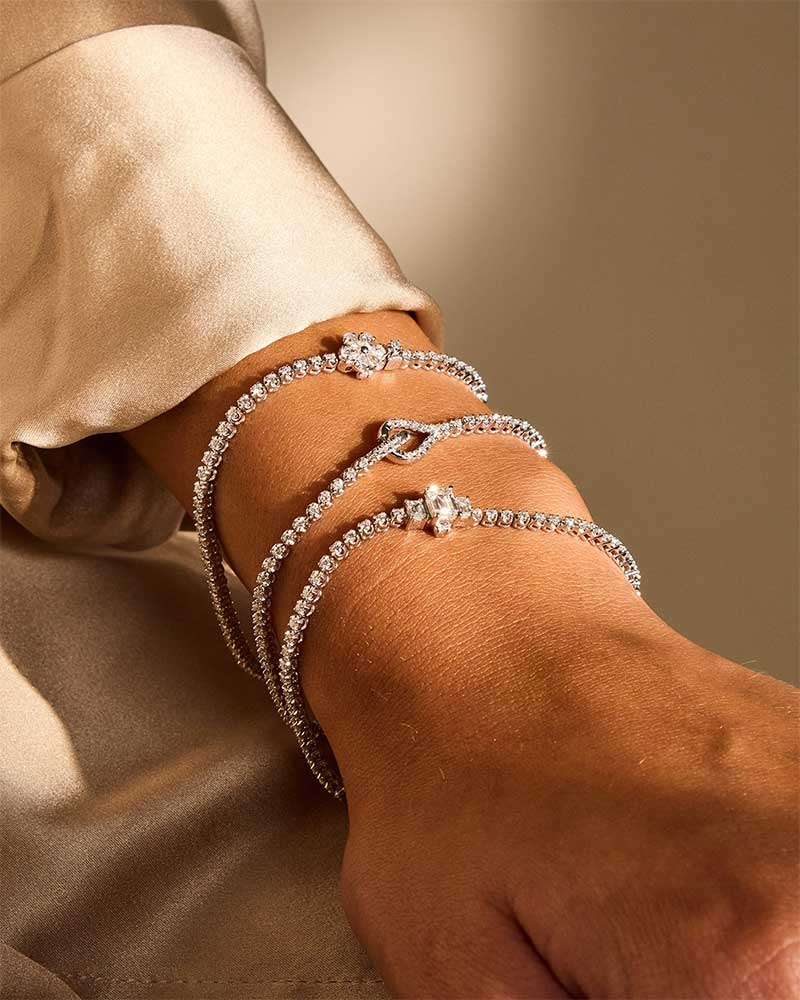
Not everyone wants to turn buying a birthday necklace into a research project.
Sometimes you want to walk into a store, see what looks good and actually hold the piece before paying.
That’s where Zales can be convenient.
The retailer offers jewelry across various price points, with engagement rings, gifts and seasonal promotions playing an important role.
I’d still compare materials and diamond specifications carefully.
A large discount doesn’t necessarily mean the final price beats competing retailers. And if you’re looking at diamond jewelry, check the stone’s grading information instead of judging it by sparkle under showroom lights.
Zales’ standard policy generally provides 30 days for eligible jewelry returns and 60 days for exchanges, with exclusions for personalized and certain special-order items. Seasonal promotional periods may change those deadlines.
Best for: In-store browsing, gifting and mainstream jewelry purchases.
What makes it worth considering: Convenient locations and a broad selection of accessible jewelry.
What I’d check: Final promotional price, material details, warranty terms and return exclusions.
When I’d look elsewhere: If you’re shopping for a loose diamond and want to compare detailed grading information across a large selection, I’d start with a diamond specialist. Zales is convenient for gifts and in-store browsing, but a promotional price alone isn’t enough reason to choose it for an expensive diamond purchase.
8. Kay Jewelers: Best for Convenient Traditional Jewelry Shopping
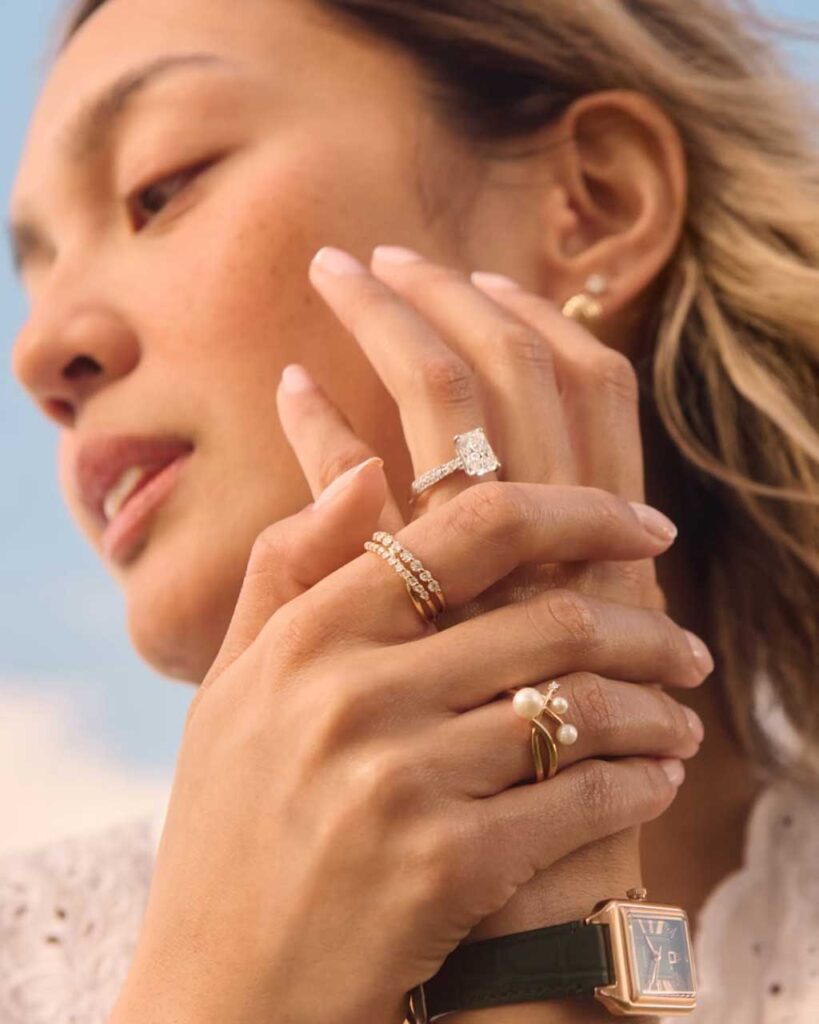
Kay Jewelers appeals to shoppers who prefer a familiar jewelry-store experience.
You can browse rings, earrings, necklaces and gifts, and depending on your location, visit a store to see options in person.
That convenience can be genuinely helpful if you’re shopping for a gift or want to ask questions face to face.
But convenience and value aren’t quite the same thing.
Before buying an expensive diamond piece, I’d compare its specifications with similar products from other sellers.
And if you’re considering financing, pay attention to the total repayment amount, promotional conditions and potential interest charges.
Best for: Traditional in-store shopping, gifts and shoppers who prefer local assistance.
What makes it worth considering: Established retail presence and convenient access to jewelry services.
What I’d check: Materials, diamond reports, financing terms and the details of any protection plan.
When I’d look elsewhere: If you’re looking for unusual designer jewelry or extensive customization, Kay might not be my first choice. Its strength is familiar, convenient retail shopping, while independent jewelers and specialist retailers may offer more options for a highly personal design.
9. Nordstrom: Best for Shopping Multiple Jewelry Brands in One Place

Nordstrom offers something different from the dedicated jewelry retailers on this list.
Instead of shopping within one jewelry house, you can browse different designers and styles in a familiar department-store environment.
That’s particularly useful if you’re choosing a gift and haven’t decided whether you want dainty earrings, a necklace, a bracelet or something more fashion-forward.
Nordstrom also makes it easier to compare jewelry styles alongside clothing and accessories.
My one caution is to read the product description carefully.
Not everything in a jewelry department is solid gold or fine jewelry. Some pieces are fashion jewelry, some are plated and others use precious metals and gemstones.
There’s nothing wrong with any of those categories. You just want to know which one you’re buying.
Best for: Gift shopping, designer variety and everyday accessories.
What makes it worth considering: Multi-brand selection and convenient shopping.
What I’d check: The actual material composition, seller information and item-specific return conditions.
When I’d look elsewhere: If you’re buying an expensive engagement ring or need specialist advice about diamond grading, I’d visit a dedicated jeweler instead. Nordstrom is useful for browsing multiple jewelry brands, but it isn’t primarily a diamond-specialist retailer.
10. Mejuri: Best for Modern Everyday Fine Jewelry
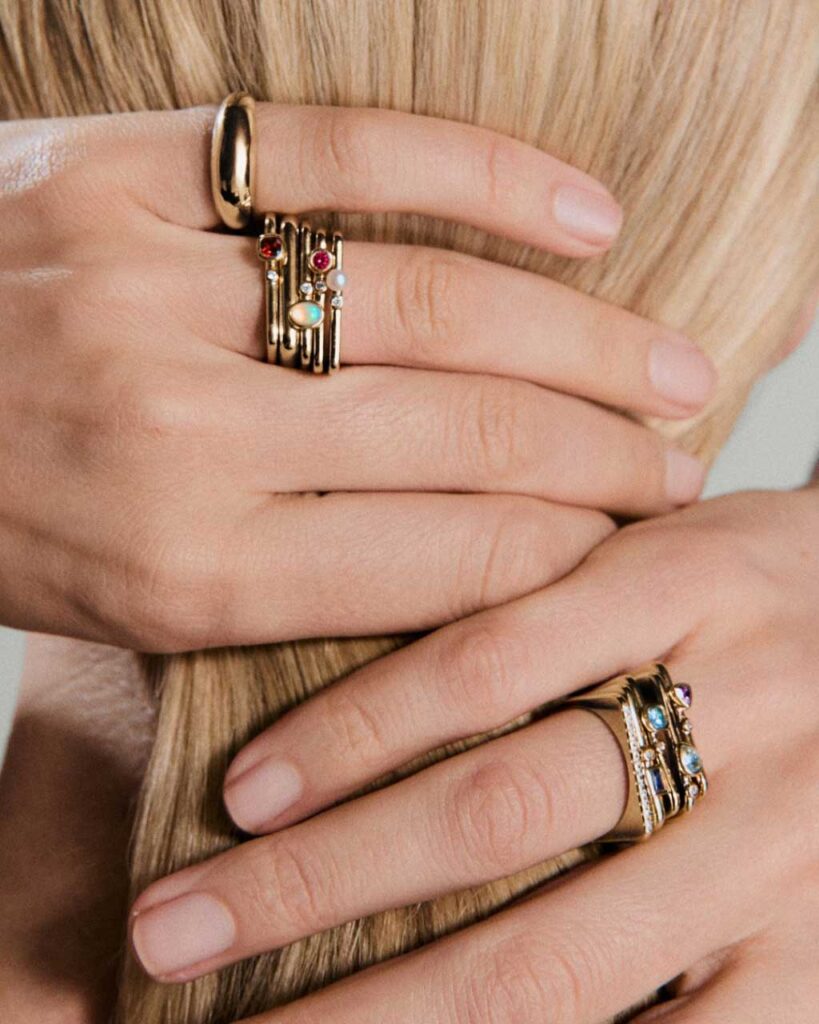
If your jewelry style leans toward delicate chains, simple hoops, stacking rings and pieces you can wear with almost anything, Mejuri is worth a look.
Mejuri is known for a modern approach to everyday jewelry, with styles that feel polished without being overly formal.
What I’d pay attention to is the material.
A solid 14-karat gold piece is different from gold vermeil, even when they look similar in photographs.
Vermeil involves a gold coating over sterling silver and may show wear differently over time. Solid gold has a different composition and typically a higher purchase price.
Mejuri’s published policy provides eligible US customers with free returns within 30 days of delivery or store pickup, but there are exclusions for engraved items, final-sale products and certain other purchases.
Best for: Gold hoops, everyday necklaces, stackable rings and modern gifts.
What makes it worth considering: Minimalist designs and approachable everyday fine jewelry.
What I’d check: Metal composition, item dimensions and care requirements.
When I’d look elsewhere: If you want a traditional diamond engagement ring, elaborate custom jewelry, or a high-jewelry statement piece, I’d consider a specialist retailer. Mejuri is particularly appealing for modern everyday pieces, so it makes more sense for building a wearable jewelry collection than for every major jewelry purchase.
Which Jewelry Store Should You Choose?
If I were narrowing down the options, I’d start with what you’re actually buying.
Best for Engagement Rings
Blue Nile, Brilliant Earth and Borsheims are all worth comparing, although they offer different shopping experiences.
Blue Nile is useful for researching individual diamonds and ring settings online. Brilliant Earth appeals to shoppers interested in modern designs and sourcing information.
Borsheims is particularly interesting if you value personalized service, custom design and ongoing jewelry care.
Look at grading reports, overall ring proportions, metal choices, resizing options and whether you can return a customized order.
If you’re considering a colorful alternative, our guide to the alexandrite engagement ring covers a very different direction from the usual diamond solitaire.
Best for Loose Diamonds
I’d focus on clear grading information and comparable specifications rather than a retailer’s reputation alone.
Blue Nile is a useful starting point for researching diamonds, particularly if you enjoy detailed filtering and comparing individual stones.
But I’d still compare equivalent diamonds at other reputable retailers before committing.
Best for Luxury Jewelry
Tiffany & Co., Cartier and Harry Winston all offer strong design identities, but their specialties differ.
For recognizable signature pieces, Cartier is especially compelling. Tiffany has a particular emotional appeal for luxury gifting.
Harry Winston sits closer to the exceptional-diamond and high-jewelry market.
Borsheims is also worth considering if you’d like to explore fine jewelry from different designers with the assistance of an established jeweler.
Best for Everyday Fine Jewelry
I’d compare Mejuri and Nordstrom, especially for wearable earrings, bracelets and necklaces.
Just read the material descriptions. Not every gold-colored piece is solid gold.
Best for Personalized Jewelry Service
This is where Borsheims deserves particular attention.
Its combination of custom jewelry, engraving, repairs, cleaning and engagement ring services makes it useful for people who want an ongoing relationship with a jeweler.
Of course, location matters. If you’re not near Omaha, check which services can be handled remotely before purchasing.
Best for Convenient In-Store Shopping
Zales and Kay can be practical options when you want to see jewelry before buying or need help choosing a gift.
I’d still compare specifications and avoid treating a temporary discount as proof of exceptional value.
What to Check Before Buying Diamond Jewelry
This is where a little research can save you from a very expensive misunderstanding.
Understand the Diamond 4Cs
The Gemological Institute of America uses the 4Cs to describe diamond quality:
- Cut: How a diamond’s proportions and facets influence its appearance and light performance.
- Color: How its color is evaluated within the applicable grading system.
- Clarity: The presence and characteristics of internal or external features.
- Carat weight: The diamond’s weight, which isn’t the same as its visible size.
A bigger diamond isn’t automatically a better one, and two diamonds with similar reports may still look different.
For significant purchases, ask for an independent grading report appropriate to the stone.
You can start with the GIA diamond buying guide.
Natural vs. Lab-Grown Diamonds
Lab-grown diamonds are real diamonds with essentially the same chemical and physical characteristics as natural diamonds.
The important difference is their origin.
For many shoppers, lab-grown diamonds provide a way to buy a larger-looking stone within a particular budget.
But don’t buy either type on the assumption that it will appreciate in value.
Ask for clear identification and documentation, and research resale expectations separately from retail prices.
Solid Gold vs. Gold-Plated Jewelry
A ring made from solid 14K gold and a ring made from gold-plated base metal are different purchases, even if they look similar in an online product photograph.
Before buying, check whether the jewelry is solid gold, gold-filled, vermeil or plated.
The Federal Trade Commission’s Jewelry Guides explain how precious-metal and gemstone descriptions should be represented to consumers.
This is especially important when shopping for everyday pieces that will experience frequent wear.
Return Policies Matter More Than You Think
Jewelry is one of those purchases where return policies can become very important very quickly.
Maybe the ring is too large. Maybe the gold looks different in natural light. Maybe the earrings are much smaller than they appeared online.
Before purchasing, find out:
- When the return window begins, at purchase, shipment or delivery.
- Whether the item must remain unworn and in original condition.
- Whether engraving, resizing or customization makes it non-returnable.
- Who pays for insured return shipping.
- Whether sale or clearance products are excluded.
- How long refunds take and which documents are required.
For example, Blue Nile generally allows 30-day returns for eligible purchases, calculated from shipment.
Borsheims publishes a 90-day return policy for eligible jewelry and gift department items in original condition, although watches, final-sale items and certain other categories have different requirements.
Mejuri’s US policy generally begins its 30-day window at delivery or in-store pickup.
Those are meaningful differences.
Return policies can change around holidays or promotional periods, so always check the current terms at checkout rather than relying entirely on a comparison article.
Online Jewelry Stores vs. Physical Stores
I don’t think one shopping method is universally better.
Why Shopping Online Can Work
Online retailers can make it easier to compare diamond reports, settings, product specifications and prices across a wide selection.
That transparency is useful, especially when you already know what you’re looking for.
The disadvantage is obvious. You can’t always judge scale, comfort and appearance from a screen.
Why Shopping In-Store Still Matters
Being able to try on a ring or see how a necklace sits against your skin can make a real difference.
It’s also easier to ask immediate questions about fit, repairs or customization.
For expensive pieces, I’d consider combining the two approaches. Research online, compare specifications, and inspect items in person when possible.
And if you’re considering a jeweler such as Borsheims that combines online shopping with personalized services, ask which parts of the experience require visiting the store.
Are Chain Jewelry Stores Worth It?
They can be.
But I’d treat the purchase the same way I would at any other jewelry retailer.
Compare the metal, gemstone, grading information, total price and return policy.
Don’t assume a chain store offers poor value simply because it’s located in a mall.
Equally, don’t assume a large promotional discount means you’re getting a bargain.
The actual piece matters more than the sign in the window.
How to Avoid Overpaying for Jewelry
There are a few habits I’d encourage before buying anything expensive.
- Set your budget first. It’s much easier to compare options when you know your limit.
- Compare like with like. Match diamonds by grading details and jewelry by metal composition, gemstone type and workmanship.
- Get the total price. Include settings, customization, tax, shipping and any optional protection plans.
- Read the return exclusions. Especially before engraving or ordering something custom.
- Research the seller. Look beyond the star rating and read how problems are resolved.
- Ask about aftercare. Resizing, repairs, inspections and cleaning can matter over years of ownership.
For more practical advice, browse our jewelry buying advice.
Our Verdict: Which Jewelry Store Is Best?
If I had to choose one place to begin comparing diamond engagement rings, I’d start with Blue Nile. Its browsing tools, selection and available grading information make it a useful starting point.
But if I wanted more personalized attention, custom design and ongoing jewelry care, I’d also take a serious look at Borsheims.
For modern bridal designs, Brilliant Earth belongs on the shortlist.
If I wanted to buy someone an iconic luxury gift, I’d look toward Tiffany or Cartier. For extraordinary high jewelry, Harry Winston belongs in a separate category.
For everyday pieces, I’d explore Mejuri and Nordstrom. And when seeing jewelry in person matters most, Zales and Kay remain convenient options.
But I wouldn’t crown any one of them the cheapest, safest or highest-quality jeweler in every category without testing comparable products and purchases.
The smartest choice is the store that gives you the right piece, clear information and conditions you’re comfortable with.
For more wearable inspiration, take a look at our edit of the best jewelry for women of all ages.
Frequently Asked Questions
What is the best jewelry store in the US?
Blue Nile is a useful starting point for engagement rings and diamonds. Borsheims stands out for personalized fine-jewelry service, while Tiffany & Co. and Cartier offer iconic luxury designs. The best store depends on what you’re buying.
What is the best place to buy jewelry online?
For diamonds, compare specialist retailers such as Blue Nile and Brilliant Earth. Borsheims is also worth exploring for fine jewelry and personalized services. For everyday jewelry, Mejuri and Nordstrom are useful options.
Is Borsheims a good jewelry store?
Borsheims is an established American fine-jewelry retailer offering engagement rings, designer jewelry, luxury watches, custom design and repair services. Its published 90-day return policy for eligible jewelry is worth considering, although shoppers should check exclusions and service availability.
Does Borsheims sell jewelry online?
Yes. Borsheims offers online shopping through its official website. Its physical store is in Omaha, Nebraska, so customers outside the area should check which services can be arranged remotely.
Are online jewelry stores trustworthy?
Many established online jewelry stores are legitimate and reputable. For expensive purchases, look for independent diamond grading where appropriate, clear product specifications, secure payment options, written return policies and accessible customer service.
Is Tiffany better than Blue Nile?
They serve different priorities. Tiffany is especially appealing for its luxury identity, heritage and gifting experience. Blue Nile is more focused on diamond selection and specification-based comparison shopping.
Are Zales and Kay Jewelers good places to buy jewelry?
Both can be practical choices for in-person shopping and gifts. Compare the individual piece’s materials, quality documentation, final price and protection-plan terms before buying.
Is James Allen still a separate online jewelry store?
No. James Allen transitioned into a proprietary collection within Blue Nile in May 2026, according to parent company Signet Jewelers. Existing James Allen customers should follow the company’s published guidance for support and service.
Are lab-grown diamonds real diamonds?
Yes. Lab-grown diamonds have essentially the same chemical composition and physical characteristics as natural diamonds. Their origin and market pricing differ, so compare them separately when shopping.
Should you buy fine jewelry as an investment?
Not without carefully researching resale value, authentication, condition and selling costs. Luxury jewelry and diamonds don’t automatically appreciate in value simply because they’re expensive or branded.
Helpful Jewelry Shopping Tools
- Ring Size Finder Calculator, useful when estimating your size before ordering a ring.
- International Size Converter, helpful when comparing sizes across different markets.
Sources and Further Reading
- GIA: How to Buy a Diamond
- Federal Trade Commission: Jewelry Guides
- Blue Nile: Return Policy
- Blue Nile: James Allen Transition and Customer Support
- Borsheims: Jewelry Services
- Borsheims: Engagement Ring Services
- Borsheims: Return Policy
- Mejuri: Return Terms
- Zales: Returns and Exchanges